Reliable Roofing Company in Ashburn VA
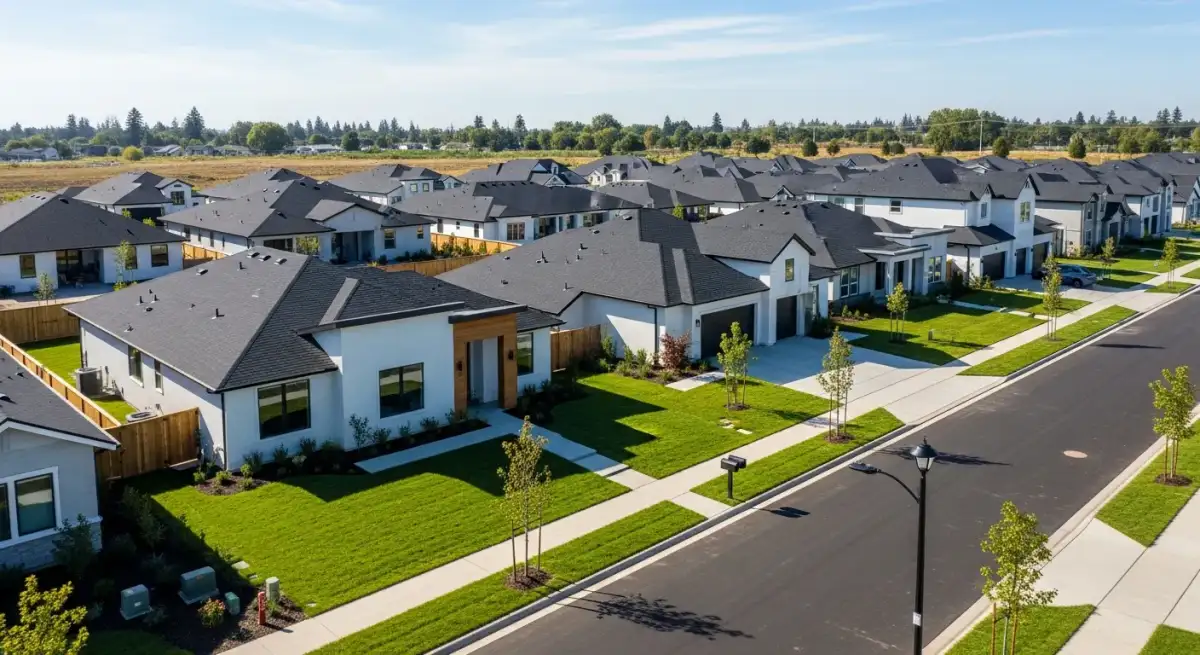
Ashburn VA has transformed from quiet farmland along Waxpool Road into one of the fastest-growing communities in Northern Virginia over the past two decades. That growth means thousands of homes built across different eras, from the original Ashburn Village townhomes of the early 1990s to the brand-new construction popping up along the Route 7 corridor near One Loudoun. Every one of those homes has a roof that needs to handle the same Northern Virginia weather, and finding a reliable roofing company in Ashburn VA is the difference between a roof that protects your family for decades and one that gives you problems every time a storm rolls through.
Whether you're in a 30-year-old colonial in Ashburn Farm that's on its second set of shingles, a mid-2000s home in Broadlands dealing with its first major roof issue, or a newer build near the Loudoun County Parkway where builder-grade materials are already showing wear, you need a roofing contractor who understands the specific challenges Ashburn homeowners face. That includes everything from Loudoun County's permitting process to the strict HOA design review boards that govern most Ashburn neighborhoods.
Reston Roofing has worked with Ashburn homeowners for years, handling roof replacements, storm damage repairs, and everything in between across communities throughout eastern Loudoun County. We know the building styles, the common roofing problems tied to each development era, and the material options that perform best in this part of Northern Virginia. This post covers what you should know before hiring a roofing company in Ashburn, realistic cost ranges, how to decide between repair and replacement, and what makes working with a local contractor worth it.
Ashburn's Roofing Landscape: Growth, Development Eras, and What They Mean for Your Roof
Ashburn's building boom didn't happen all at once, and that matters when it comes to your roof. The age and construction era of your home directly affect the roofing materials that were used, the ventilation system that was installed, and the types of problems you're likely to encounter today.
Early Developments: Ashburn Village and Ashburn Farm (1990s)
Ashburn Village and Ashburn Farm were among the first large-scale planned communities in the area. These homes were built primarily in the early to mid-1990s with three-tab asphalt shingles, basic ridge-and-soffit ventilation, and OSB roof decking that was standard for the era. If you're in one of these neighborhoods, your original roof was replaced somewhere around 2010 to 2015, and that second generation of shingles is now approaching the halfway point of its lifespan. Some homes that received budget replacements with lower-grade shingles are already showing signs of wear, including granule loss, curling edges, and cracked flashing around chimneys and plumbing vents.
The townhome sections of Ashburn Village present their own challenges. Shared rooflines mean coordinating with neighbors or the HOA on replacement timing, and access can be tight between closely spaced units. A roofing company that's worked in Ashburn Village before knows how to navigate those logistics without damaging adjacent properties or common-area landscaping.
Mid-2000s Expansion: Broadlands, Belmont Country Club, and Lansdowne
The mid-2000s brought a wave of larger homes with more complex roof designs. Developments like Broadlands, Belmont Country Club, and Lansdowne feature homes with multiple roof planes, steeper pitches, dormers, and architectural details that require more labor and materials to replace. Most of these homes were built with architectural shingles, which was a step up from the three-tab installations of the previous decade.
These roofs are now 15 to 20 years old, which puts them in the window where problems start appearing but a full replacement may not yet be necessary. Storm damage, failed flashing around skylights and dormers, and ventilation issues in the more complex attic spaces are the most common calls we get from homeowners in Broadlands and Belmont. A thorough inspection can tell you whether targeted repairs will buy you another 5 to 10 years or whether the investment in a full replacement makes more financial sense.
Recent Construction: One Loudoun, Brambleton, and the Route 7 Corridor
Ashburn's newest developments along the Route 7 corridor, including the residential sections near One Loudoun, parts of Brambleton, and new construction along Loudoun County Parkway, were built within the last 5 to 10 years. You might assume these homes don't need roofing attention yet, but that's not always the case. Builder-grade materials installed during high-volume construction don't always hold up the way premium products do. We've seen homes in newer Ashburn developments with shingles that started losing granules within 7 years, improperly sealed flashing, and ventilation configurations that don't move enough air through the attic space.
If your newer Ashburn home has had issues with attic heat buildup, ice dams during winter, or shingles that look worn despite being relatively new, it's worth having an independent roofing company take a look. What the builder installed and what your home actually needs aren't always the same thing.
Key Considerations Before Hiring a Roofing Company in Ashburn VA
Choosing a roofing company isn't something you want to rush, especially in a market like Ashburn where there's no shortage of contractors competing for your business. Here's what you need to verify before signing anything.
Virginia Licensing and Insurance
Virginia law requires roofing contractors to hold a valid license issued by the Department of Professional and Occupational Regulation (DPOR). For most residential roof replacements, the contractor needs a Class A or Class B license. Ask for the license number and verify it directly through the DPOR website. Don't take a business card or verbal assurance at face value.
Insurance is equally important. Your roofing company should carry general liability insurance (minimum $1 million) and workers' compensation coverage for their crew. If an uninsured worker gets injured on your property, you could face financial liability. Request a certificate of insurance and confirm it's current by contacting the insurance carrier directly.
Loudoun County Building Permits
Loudoun County requires building permits for full roof replacements. The permit ensures the work meets Virginia's residential building code for wind resistance, fire rating, underlayment, and ventilation. Permit fees in Loudoun County typically run $150 to $350, depending on the scope of the project. Your roofing company should handle the permit application as part of the job. If a contractor tells you a permit isn't needed for a complete tear-off and replacement, walk away.
HOA Design Review Approval
Almost every Ashburn neighborhood operates under an HOA with a design review committee that controls exterior modifications, including roofing. Communities like Ashburn Village, Ashburn Farm, Broadlands, Belmont Country Club, Brambleton, and Lansdowne all have specific requirements about roofing materials, shingle colors, and the approval process you need to follow before work starts.
Some Ashburn HOAs require you to submit material samples and manufacturer specifications along with your architectural change application. Others have a pre-approved list of shingle colors and brands that simplify the process. Either way, starting a roofing project without HOA approval can result in fines, a stop-work order, or a requirement to remove non-compliant materials at your own expense.
At Reston Roofing, we handle the HOA submission process for our Ashburn customers. We know which colors and products are approved in the communities we serve, and we file the paperwork on your behalf so the approval doesn't hold up your project timeline.
Written Contracts and Warranty Documentation
A professional roofing company provides a detailed written contract before any work begins. Your contract should include:
- Exact materials being installed (manufacturer, product line, color)
- Full scope of work (tear-off, decking inspection, underlayment, flashing, drip edge)
- Project timeline with start and expected completion dates
- Total cost with a clear payment schedule
- Warranty terms for both materials and workmanship
- Cleanup and debris removal details
If a roofing company can't or won't provide these details in writing before starting, they're not the right contractor for your Ashburn home.
Roofing Services for Ashburn VA Homeowners
A roofing company worth hiring in Ashburn should offer a complete range of services, not just shingle installation. Your roof is a system, and every component needs to work together to keep water out and your home protected.
Roof Replacement
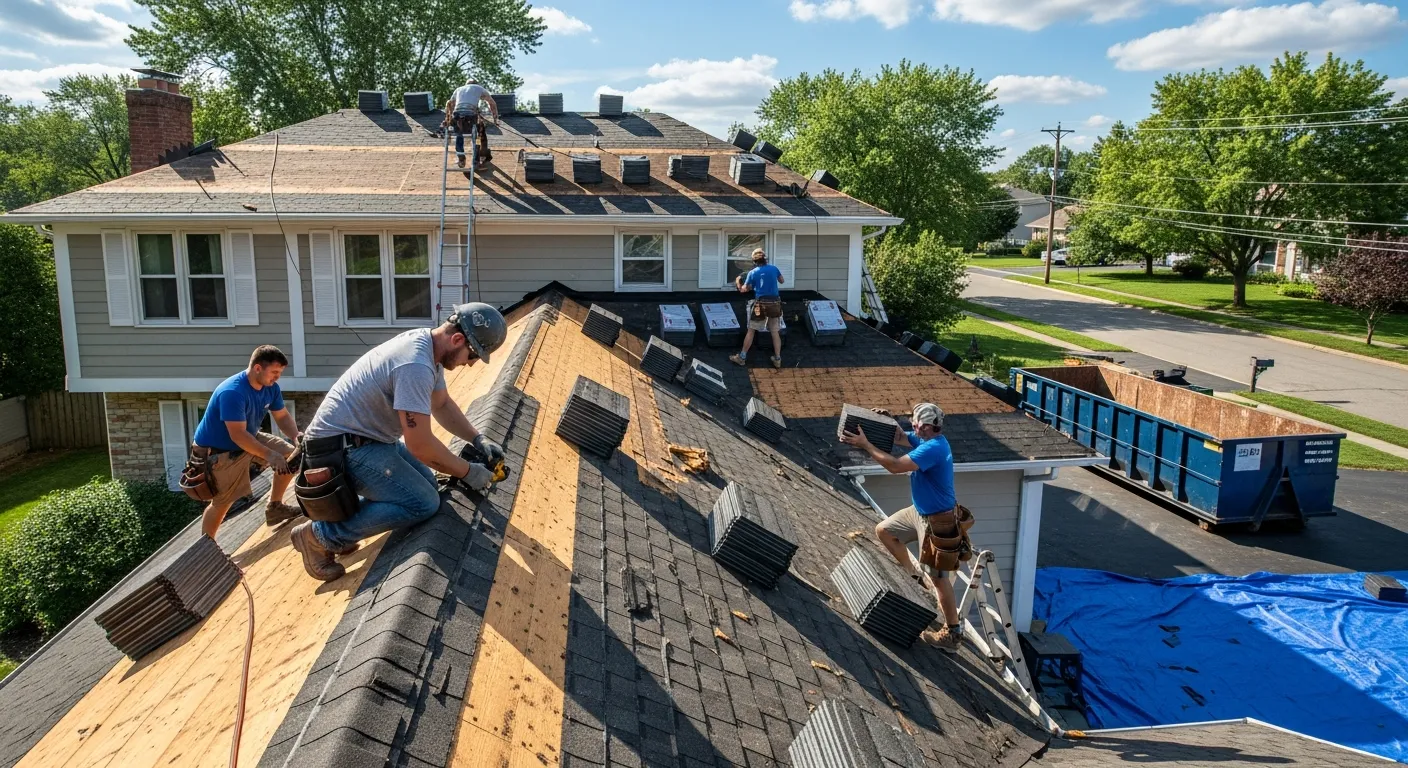
Full roof replacement is the most significant roofing investment you'll make on your Ashburn home. The process starts with tearing off existing shingles and underlayment down to the roof deck. The decking is inspected for rot, soft spots, and water damage. Any compromised sections are replaced with new plywood or OSB. New synthetic underlayment goes down first, followed by ice and water shield along eaves, valleys, and around penetrations. Then new shingles or metal panels are installed according to manufacturer specifications.
For a typical Ashburn home with 2,000 to 3,000 square feet of roof area, the job takes 1 to 3 days for asphalt shingles. Larger homes in Broadlands or Belmont Country Club with complex roof geometries, multiple dormers, or steep pitches may take 3 to 5 days.
Roof Repair
Not every problem calls for a full replacement. Targeted roof repairs make sense when the damage is localized and the rest of the roof is in good shape. Common repairs we handle for Ashburn homeowners include replacing missing or wind-damaged shingles, resealing failed flashing around chimneys and skylights, fixing leaks at pipe boots and plumbing vents, patching damaged sections after tree limb impacts, and addressing soft spots in the roof deck before they spread.
A good roofing company will tell you honestly whether a repair is sufficient or whether you're throwing money at a roof that needs replacing. We don't push unnecessary replacements, and we don't patch a roof that's past the point of practical repair.
Storm Damage Assessment and Insurance Claims
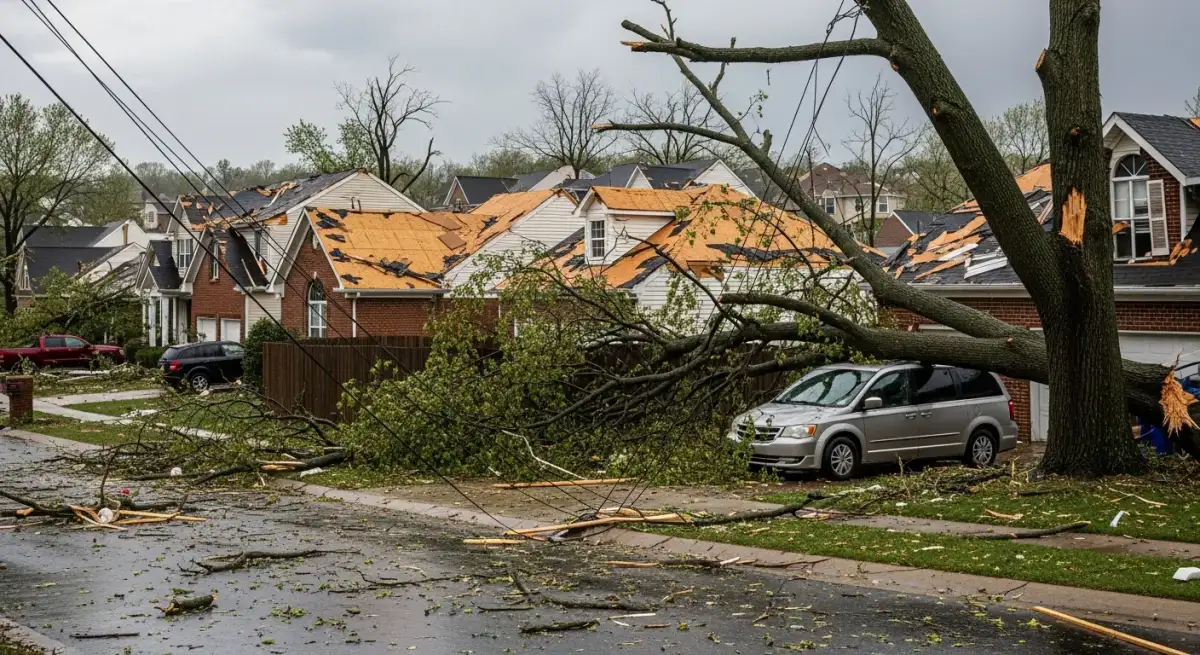
Ashburn's position in the Dulles corridor means severe thunderstorms, hail, and high winds are a regular occurrence from late spring through early fall. When a storm damages your roof, the clock starts ticking on your insurance claim. A reliable roofing company provides a free storm damage inspection, documents every area of damage with photos and detailed notes, and prepares the documentation your insurance company needs to process the claim.
We work directly with your insurance adjuster to make sure the full scope of damage is covered. Our documentation has helped hundreds of Ashburn and Loudoun County homeowners receive fair insurance settlements for storm-damaged roofs. We handle the back-and-forth so you don't have to argue with the adjuster yourself.
Gutter Installation and Repair
Your gutters are an integral part of your roofing system. When gutters fail, water cascades down your siding, pools around your foundation, rots your fascia boards, and creates conditions for ice dams in winter. We install seamless aluminum gutters sized for your home's roof area, add leaf guards where mature trees overhang your roofline, and position downspouts to direct water well away from your foundation. Many Ashburn homeowners combine gutter replacement with their roof project to save on labor costs and ensure everything works together as a single system.
Flat Roof Systems
A surprising number of Ashburn homes have flat or low-slope roof sections, especially over additions, sunrooms, garages, and covered patios. These sections can't use traditional shingles. They require single-ply membrane systems like TPO, EPDM, or modified bitumen that are designed to handle water pooling and slow drainage. If your Ashburn home has a flat roof section, make sure the company you hire has specific experience with these systems. Improper flat roof installation is one of the most common sources of chronic leaks we see when we're called to fix another contractor's work.
Siding Replacement
Many Ashburn homeowners tackle siding replacement at the same time as their roof project. Coordinating both projects saves on setup time, scaffolding, and overall labor costs. It also ensures the transition between your roof edge, drip edge, and siding is properly integrated and sealed.
Roofing Material Options for Ashburn Homes
Choosing the right roofing material affects how long your roof lasts, how it looks, what it costs, and how well it stands up to Ashburn's weather. Here's what's available and how each option fits different situations.
Three-Tab Asphalt Shingles
Three-tab shingles are the most affordable option and were the standard on nearly every Ashburn home built before 2000. They're flat, lightweight, and carry a typical lifespan of 15 to 20 years. You'll still find them on many Ashburn Village and Ashburn Farm homes, particularly on townhomes and smaller single-family properties. Most homeowners replacing three-tab shingles today choose to upgrade to architectural shingles. The price difference is relatively small, and the performance improvement in wind resistance and longevity is significant.
Architectural Asphalt Shingles
Architectural shingles (also called dimensional or laminate shingles) are the most popular roofing material in Ashburn in 2026. They're thicker and more textured than three-tab, creating a layered appearance that resembles wood shake or natural slate from the street. They carry wind ratings up to 130 mph and last 25 to 30 years with proper ventilation and maintenance. GAF Timberline HDZ and CertainTeed Landmark Pro are the two products we install most frequently in Ashburn because of their combination of durability, warranty coverage, and color options that meet most HOA requirements in the area.
Metal Standing Seam
Metal roofing has been gaining traction in Ashburn, particularly on custom homes and newer construction along the Waxpool Road corridor and near One Loudoun. Standing seam metal panels interlock vertically, creating a sleek, modern look with no exposed fasteners. They last 50 years or more, shed snow and ice efficiently, resist wind damage far better than shingles, and reflect solar heat to lower your cooling costs during those brutal July and August stretches in Northern Virginia.
The upfront cost is roughly double what you'd pay for architectural shingles, but the math often works out in favor of metal if you plan to stay in your Ashburn home long-term. You'll never replace the roof again, maintenance is minimal, and the energy savings add up over decades.
Composite and Synthetic Roofing
Composite shingles made from engineered polymers are an emerging option in the Ashburn market. They mimic the look of slate or cedar shake at a fraction of the weight and cost of natural materials. They're impact-resistant, carry Class 4 hail ratings, and last 30 to 50 years depending on the product. If your Ashburn HOA allows them, they're worth considering for homes where aesthetics matter and you want something that stands out from the standard shingle look without the maintenance demands of natural materials.
Flat Roof Materials (TPO, EPDM, Modified Bitumen)
For flat or low-slope sections on your Ashburn home, TPO and EPDM are the go-to options. TPO is a white reflective membrane that's ideal for sun-exposed flat sections because it keeps heat out of the space below. EPDM is a black rubber membrane with a proven track record spanning decades. Modified bitumen is a torch-applied or peel-and-stick system that works well for smaller flat sections. All three last 20 to 30 years when installed correctly and inspected periodically for seam integrity and drainage issues.
Storm Damage and Weather Patterns in Ashburn
Ashburn sits in the Dulles corridor, and that geographic position exposes homes to specific weather patterns that affect roofing performance and longevity. Understanding what your roof is up against helps you make better decisions about materials, maintenance, and when to call for an inspection.
Summer Thunderstorms and Hail
From May through September, Ashburn gets hit with severe thunderstorms that form along the Blue Ridge and track east across Loudoun County. These storms bring damaging hail, straight-line winds that can exceed 60 mph, and heavy downpours that test every seam, seal, and shingle on your roof. The open terrain around the data center corridor along Loudoun County Parkway and the fields that still surround parts of Ashburn mean wind speeds can be higher here than in more densely wooded areas further east.
Hail damage isn't always visible from the ground. It shows up as dented flashing, cracked shingle surfaces, and displaced granules that leave the asphalt layer exposed to UV damage. A professional inspection after any significant hail event is the only way to know whether your Ashburn home's roof took hidden damage that will shorten its lifespan.
Winter Ice and Snow Loading
Ashburn's winters bring ice storms, freezing rain, and snow accumulation that create problems for roofs with poor ventilation or inadequate insulation. Ice dams form when heat escaping through the attic melts snow on the upper roof, and the meltwater refreezes at the colder eaves. The resulting ice buildup traps water under shingles, causing leaks that damage ceilings, walls, and insulation inside your home. Homes in older Ashburn developments with original ventilation systems are particularly vulnerable because those systems were often undersized by today's standards.
Wind Damage Patterns
The geography around Ashburn creates specific wind patterns that affect different neighborhoods differently. Homes along Waxpool Road and near the Route 7 interchange experience stronger sustained winds because the open terrain and data center campus clearings act as wind corridors. Neighborhoods with mature tree canopies like parts of Ashburn Farm and Ashburn Village get more protection from wind but face higher risk from falling branches and debris during storms.
What to Do After Storm Damage
If you suspect your Ashburn home's roof sustained storm damage, here's the process you should follow:
- Document any visible damage with photos and video from ground level (don't climb on the roof)
- Call a licensed roofing company for a free inspection within 24 to 48 hours
- Contact your homeowners insurance to file a claim promptly
- Have your roofing contractor present during the insurance adjuster's inspection
- Get a detailed written estimate before authorizing any repair work
Acting quickly matters because unrepaired storm damage gets worse with every subsequent rain. What starts as a few missing shingles turns into water-damaged decking, mold growth in the attic, and interior ceiling stains that cost far more to fix than the original roof repair.
When to Repair vs. When to Replace Your Ashburn Roof
One of the most common questions we hear from Ashburn homeowners is whether they should repair what they have or invest in a full replacement. There's no universal answer because it depends on your roof's age, the extent of the damage, and how long you plan to stay in the home. Here's a framework to help you think through the decision.
Repair Makes Sense When:
- Your roof is under 15 years old and the damage is confined to a small area
- You have a few missing or damaged shingles from a single storm event
- A single leak has been traced to a specific flashing failure or pipe boot
- Your shingles still have strong granule coverage and aren't curling or cracking
- The roof deck is solid and dry with no signs of rot or water damage
Replacement Makes Sense When:
- Your roof is 20 years old or older and showing widespread wear
- You're seeing granule buildup in your gutters after every rain
- Multiple areas have curling, cracking, or missing shingles
- You've had recurring leaks that repairs haven't permanently fixed
- The roof deck has soft spots or visible water damage when inspected from the attic
- Your energy bills have been climbing and your attic is excessively hot in summer or cold in winter
- You're planning to sell your Ashburn home in the next few years and want to maximize resale value
The Cost Math
Here's a practical way to think about it. If you're spending $1,000 to $2,000 on repairs every couple of years on a roof that's past the 20-year mark, those costs add up fast without extending the roof's ultimate lifespan. A full replacement at $12,000 to $18,000 gives you a new 25 to 30 year roof with full warranty coverage. In many cases, the break-even point is just 3 to 5 years of avoided repair costs.
For Ashburn homes approaching the resale market, a new roof is one of the strongest investments you can make. Real estate agents in Loudoun County consistently report that a new roof removes one of the biggest objections buyers raise during inspections, and it often pays for itself in a higher sale price and faster closing.
Roofing Costs in Ashburn and Northern Virginia
Roofing costs in Ashburn align with the broader Northern Virginia market, which runs 15 to 25 percent above national averages due to higher labor costs, Loudoun County permit fees, and the cost of materials delivered to this area. Your total cost depends on roof size, pitch, material selection, the number of existing layers to tear off, and how accessible your roof is for crews and material staging.
Here are the typical cost ranges for roofing services in the Ashburn area as of 2026:
| Service / Item | Low End | High End | Notes |
|---|---|---|---|
| Asphalt Shingle Roof Replacement (2,000 sq ft) | $8,500 | $15,500 | Three-tab shingles, single layer tear-off |
| Architectural Shingle Replacement (2,000 sq ft) | $10,500 | $18,500 | Dimensional/laminate, includes underlayment |
| Metal Standing Seam Roof (2,000 sq ft) | $19,000 | $32,000 | 50+ year lifespan, premium finish options |
| Flat Roof (TPO/EPDM, per sq ft) | $8 | $15 | Common for additions and garage roof sections |
| Roof Repair (minor, per visit) | $350 | $1,500 | Leak repair, missing shingles, flashing fixes |
| Storm Damage Repair | $500 | $5,000 | Depends on extent; may be covered by insurance |
| Tear-Off (additional layer removal) | $1,000 | $3,500 | Required when 2+ layers of shingles exist |
| Loudoun County Building Permit | $150 | $350 | Required for full roof replacements |
| Gutter Installation (seamless aluminum) | $1,200 | $3,800 | Typically done alongside roof replacement |
| Siding Replacement (vinyl, per sq ft) | $4 | $9 | Often combined with roofing for labor savings |
| Skylight Flashing Repair | $300 | $800 | Common source of leaks on Ashburn homes |
Prices shown are typical ranges for Northern Virginia as of 2026 and vary based on home size, material grade, site access, and current material costs. Contact us for a free on-site estimate specific to your Ashburn home.
Factors That Drive Your Ashburn Roofing Cost
Several variables move your cost up or down from the ranges shown above:
- Roof size: Measured in "squares" (100 sq ft each). A typical Ashburn colonial has 20 to 30 squares of roof area, while larger Broadlands and Belmont homes can have 35 or more.
- Roof pitch: Steeper roofs require additional safety equipment and slow crew pace. Expect labor costs to increase 10 to 20 percent on roofs steeper than 8/12 pitch.
- Number of existing layers: Loudoun County allows a maximum of two shingle layers. If your home already has two layers, the full tear-off adds $1,000 to $3,500 to the project.
- Decking condition: Rotted or water-damaged plywood panels cost $75 to $150 each to replace. You won't know the full extent until the old shingles come off.
- Roof complexity: Multiple valleys, dormers, skylights, and hip-and-ridge intersections increase material waste and labor time.
- Material grade: Premium shingle lines with enhanced warranties, impact ratings, or designer aesthetics cost more than standard products.
- Ventilation upgrades: Adding or upgrading ridge vents, soffit intake, or attic fans during the project adds $300 to $1,500 depending on scope.
- Accessibility: Homes with steep driveways, heavy landscaping, or limited staging space around the house add labor time and cost.
Getting an Accurate Estimate for Your Ashburn Home
Online calculators and phone quotes give you a rough ballpark, but the only way to get an accurate number is a physical inspection. We need to measure the roof, check the pitch, inspect the decking from the attic, evaluate the ventilation system, and assess any existing damage or wear. Reston Roofing provides free on-site estimates for Ashburn homeowners with detailed written proposals that spell out every line item, so you know exactly what you're paying for before we start.
Data Center Proximity and Its Unexpected Impact on Ashburn Roofing
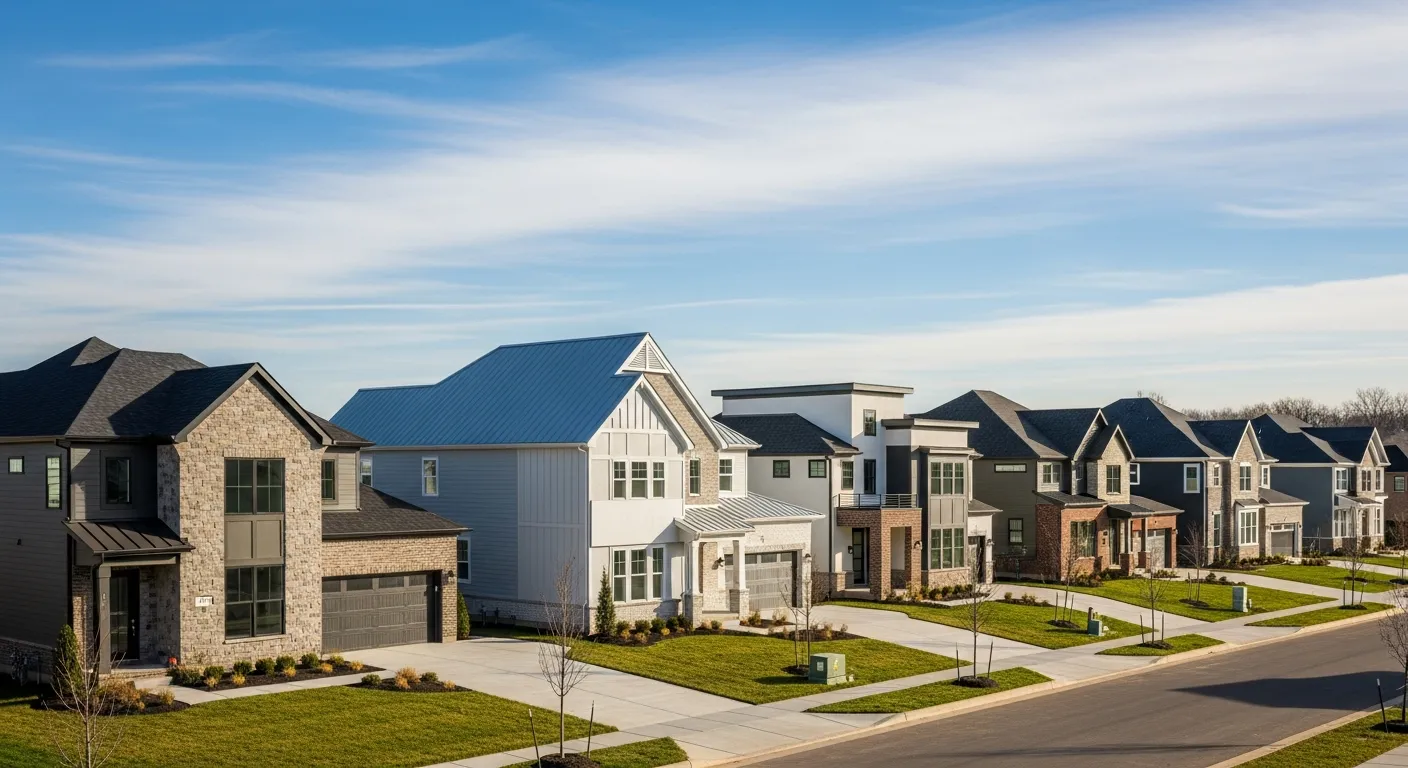
Ashburn is known worldwide as "Data Center Alley," and the massive construction and infrastructure development along the Loudoun County Parkway and Route 28 corridor have indirect effects on residential roofing that most homeowners don't think about.
The heavy truck traffic associated with data center construction accelerates road wear, which kicks up debris and grit that can land on nearby rooftops, clogging gutters and accelerating granule wear on shingles. The large cleared areas around data center campuses change local wind patterns, creating conditions where residential neighborhoods that were once sheltered by trees and open fields now experience higher wind exposure during storms.
Homes in neighborhoods adjacent to data center development along Loudoun County Parkway, Russell Branch Parkway, and the Waxpool Road corridor should pay extra attention to gutter maintenance and shingle condition. If your home backs up to or sits near one of these large cleared areas, annual roof inspections become more important because the changed wind exposure affects your roof differently than it did when the area was wooded or agricultural.
Ashburn HOA Requirements for Roofing Projects
Ashburn is one of the most HOA-dense areas in Loudoun County, and nearly every major community has design review requirements that apply to roofing projects. Understanding and working within these requirements is a necessary part of any roof replacement in Ashburn.
Ashburn Village HOA
Ashburn Village has an active architectural review committee that requires pre-approval for roof replacements. They maintain an approved list of shingle colors, and any deviation requires a formal request with material samples. Townhome sections have additional requirements around coordinating shared roofline work with adjacent units.
Broadlands HOA
Broadlands requires a design review application for exterior modifications including roofing. They specify that roofing materials must be compatible with the community's earth-tone aesthetic, and they require contractor proof of insurance as part of the application. Turnaround on approvals typically takes 2 to 4 weeks, so plan accordingly.
Ashburn Farm HOA
Ashburn Farm's covenants require that replacement roofing materials match the original in color and style, or receive specific approval for changes. They're generally flexible as long as you stay within the approved color palette and use architectural-grade shingles.
How We Handle HOA Compliance
We manage the entire HOA approval process for our Ashburn customers. We know the approved products for each community, we prepare the application with all required documentation, and we submit it on your behalf. When the approval comes back, we schedule the work within the HOA's required timeframe. It's one less thing you have to manage during an already involved home improvement project.
How to Evaluate a Roofing Company in Ashburn
Ashburn's size and growth attract both excellent local contractors and questionable operators looking for quick revenue. Here's how to tell them apart and protect yourself from a bad experience.
Look for Local Experience and References
Ask any roofing company you're considering for references from recent Ashburn projects. A contractor who genuinely works in this area will have a portfolio of completed jobs in local neighborhoods you can verify. Look for online reviews that mention specific Ashburn communities like Broadlands, Ashburn Village, Belmont, or Lansdowne.
Get Multiple Written Estimates
Get at least two to three detailed written estimates for any major roofing project. Compare not just the bottom-line price but the materials specified, scope of work, warranty terms, payment schedule, and whether the estimate includes permit costs and cleanup. The lowest bid isn't always the best value if it means cheaper materials, skipped steps, or warranty terms that don't hold up.
Verify Everything Before Signing
Check the DPOR license, call the insurance company to verify coverage, look up online reviews on Google and the Better Business Bureau, and ask how long the company has operated in the Ashburn and Loudoun County market. A company that's been here for years and plans to stay has more incentive to stand behind their work than one that travels from job to job across different states.
Avoid Storm Chasers
After every major storm in Ashburn, crews from outside the area show up knocking on doors, offering free inspections, and pressuring homeowners to sign contracts on the spot. These storm chasers often lack proper Virginia licensing, use subcontractors they don't supervise, and disappear after collecting payment. If someone shows up unsolicited after a storm and pushes you to commit immediately, that's your signal to close the door and call a roofing company you've vetted yourself.
Frequently Asked Questions
How much does a new roof cost in Ashburn VA?
A new roof in Ashburn VA typically costs between $8,500 and $18,500 for asphalt shingles on a standard single-family home, depending on roof size, pitch, and material grade. Architectural shingles run $10,500 to $18,500, while metal standing seam roofs range from $19,000 to $32,000. Ashburn prices reflect Northern Virginia labor rates and Loudoun County permit requirements, which tend to run slightly higher than surrounding counties.
Does my Ashburn HOA need to approve a roof replacement?
Most Ashburn HOAs, including those in Broadlands, Ashburn Village, Ashburn Farm, and Brambleton, require architectural review approval before you change your roofing material or color. Even if you're replacing with an identical product, many communities still want written notification before work begins. Always check your community's design review guidelines before signing a roofing contract to avoid fines or stop-work orders.
How do I know if my Ashburn home needs a roof repair or full replacement?
If your roof is under 15 years old, has damage confined to a small area, and the surrounding shingles are still in solid condition, a repair is usually the right call. If your roof is over 20 years old and you're seeing widespread granule loss, multiple leaks, curling shingles, or soft spots in the decking, a full replacement is typically more cost-effective than continued repairs. Schedule a professional inspection to get a clear, honest assessment.
Does Reston Roofing handle storm damage repairs in Ashburn?
Yes. We provide free storm damage inspections for Ashburn homeowners after severe weather. We document all hail damage, wind damage, and tree damage with detailed photos and written reports that support your insurance claim. Our team works directly with your insurance adjuster to make sure the full scope of damage is identified and covered. You don't have to handle the insurance process on your own.
How long does a roof replacement take in Ashburn VA?
A typical asphalt shingle roof replacement on an Ashburn home takes 1 to 3 days, depending on the size of the roof, weather conditions, and whether structural repairs are needed. Larger homes in Broadlands or Belmont Country Club with complex roof geometries may take 3 to 5 days. Metal roofing projects or jobs requiring extensive decking replacement can take up to 7 days. Your contractor should provide a firm timeline before work starts.
What roofing materials work best for Ashburn VA homes?
Architectural asphalt shingles are the most popular choice in Ashburn because they balance cost, durability, and HOA compliance. GAF Timberline HDZ and CertainTeed Landmark Pro are the most commonly installed products in the area. Metal standing seam roofing is a growing option for homeowners who want a 50-plus year lifespan and lower maintenance. For flat or low-slope roof sections, TPO and EPDM membranes are the most reliable and widely used systems. Your best option depends on your home's style, your budget, your HOA's approved materials list, and how long you plan to stay in the home.
Why Ashburn Homeowners Choose Reston Roofing
Reston Roofing has earned the trust of Ashburn homeowners by doing consistent, high-quality work and standing behind every project long after the crew leaves. Here's why our customers in Ashburn keep recommending us to their neighbors.
We Know Ashburn
We've worked in neighborhoods across Ashburn, from the original Ashburn Village townhomes to the larger single-family homes in Broadlands, from Belmont Country Club estates to the newer construction near One Loudoun. We understand the building styles, the common problems associated with each era of construction, and the HOA requirements that vary from one community to the next. That local knowledge translates into better recommendations, smoother project execution, and fewer surprises along the way.
Licensed, Insured, and Permitted
We hold a valid Virginia contractor license, carry full general liability and workers' compensation insurance, and pull Loudoun County building permits for every project that requires one. These aren't optional extras. They're the minimum standard for any roofing company that takes your protection seriously, and we've maintained them without lapse since we started serving the Ashburn area.
Transparent, Detailed Estimates
Our estimates list every material, every labor component, and every cost line item so you can see exactly where your money goes. We don't low-ball the initial quote and then hit you with change orders once the old shingles are off. If we discover unexpected decking damage during tear-off, we stop, show you the issue, explain the cost to address it, and get your written approval before proceeding.
Manufacturer-Certified Installation
We're certified installers for leading manufacturers including GAF and CertainTeed. That certification means your new roof is backed by both our workmanship warranty and the manufacturer's material warranty, giving you layered protection that lasts for decades. It also means our crews are trained to install products exactly to manufacturer specifications, which is the only way to ensure the warranty remains valid.
Storm Damage and Insurance Expertise
When a storm damages your Ashburn home's roof, you need a company that moves fast and documents thoroughly. We provide free storm damage inspections, prepare detailed reports with photos that insurance companies accept, and work directly with your adjuster throughout the claims process. Our documentation has consistently helped Ashburn homeowners receive fair settlements, and we handle the communication so you can focus on your family instead of arguing over claim details.
Get Your Free Roofing Estimate in Ashburn VA
Whether you need a full roof replacement on your Broadlands colonial, storm damage repairs on your Ashburn Village townhome, a flat roof membrane on your sunroom addition, or just an honest assessment of how many years your current roof has left, Reston Roofing is ready to help. We serve the entire Ashburn VA area and communities throughout Loudoun County and Northern Virginia.
Our free estimates include a thorough roof inspection, detailed written proposal with material specifications and pricing, and straightforward advice on whether a repair or replacement is the right move for your home and your budget. We don't push unnecessary work, and we don't disappear after the last shingle goes down. We'll be here in Northern Virginia when you need us, whether that's next month or next decade.
If you're dealing with a roof leak or recent storm damage, don't wait. Small problems get expensive fast when water is involved.
Call us today at (571) 453-6515 or schedule a consultation online. Let's get your Ashburn home's roof taken care of the right way.