Emergency Roof Repair in Northern Virginia
When disaster strikes your roof, every minute matters. A fallen tree, sudden storm damage, or catastrophic leak can threaten your home's structure, your belongings, and your family's safety. Northern Virginia homeowners face severe weather year-round, from powerful summer thunderstorms and microbursts to winter ice storms and nor'easters. Knowing what to do in a roofing emergency, who to call, and how to protect your home until help arrives can make the difference between a manageable repair and tens of thousands of dollars in secondary damage. This guide covers everything Northern Virginia homeowners need to know about emergency roof repair.
When to Call for Emergency Roof Repair
Not every roof issue is an emergency, but some situations demand immediate professional response. Understanding the difference helps you act appropriately and avoid both unnecessary urgency and dangerous delays.
True Emergencies Requiring Immediate Response:
- A tree or large branch has fallen onto your roof, creating a hole or structural damage
- Active water is pouring into your home through the ceiling
- Large sections of roofing material have been torn away by wind, leaving the roof deck exposed
- Storm damage has created visible openings in the roof structure
- Your roof is sagging or showing signs of imminent structural failure
- Fire has damaged a portion of your roofing system
Urgent But Non-Emergency Situations: A slow drip during rain, a few missing shingles, minor flashing issues, or small leaks that can be managed with a bucket are important to address quickly but may not require after-hours emergency service. Schedule these for the next available business day appointment. For guidance on handling leak situations, see our emergency roof leak repair guide.

What to Do Before the Roofer Arrives
Taking the right steps while waiting for emergency roof repair protects your home from further damage and supports your insurance claim. Follow these actions in order of priority.
Ensure Personal Safety
Your safety and your family's safety come first. If a tree has hit your home, be aware of the potential for additional collapse. Check for downed power lines and do not touch or approach them. If water is near electrical outlets, switches, or panels, turn off power to affected circuits at the breaker box. If structural integrity is compromised, evacuate and call emergency services before calling your roofer.
Control Water Intrusion
Place buckets, trash cans, or other containers under active leaks. Spread plastic sheeting or tarps over furniture, electronics, and valuables that cannot be easily moved. If water is pooling on the ceiling, carefully puncture the lowest point of the bubble to allow controlled drainage into a container. This prevents the weight of accumulated water from collapsing the ceiling.
Document the Damage
Before cleaning up or making any changes, photograph and video everything. Capture the source of damage from multiple angles, including the exterior roof, interior water damage, damaged belongings, and the surrounding scene that shows the cause. Date-stamped documentation is invaluable for insurance claims and establishes the timeline of events. Save damaged roofing materials for the insurance adjuster.
Contact Your Insurance Company
Report the damage to your homeowner's insurance as soon as possible. Most policies require prompt notification. Your insurer will assign a claim number and provide instructions for proceeding. Emergency tarping and temporary protection are covered by most policies as reasonable measures to prevent further damage. Learn more about roofing insurance claims.
Emergency Tarping: Your First Line of Defense
Professional emergency tarping is the most critical immediate service after roof damage. A properly installed tarp prevents water intrusion, protects exposed structural elements, and buys time for permanent repair planning. Here is what professional tarping involves:
Assessment: Our team evaluates the damage extent, identifies all vulnerable areas, and determines the appropriate tarp coverage. We check for structural stability before accessing the roof to ensure crew safety.
Debris Removal: Loose roofing materials, branches, and debris are carefully removed from the damaged area. This creates a stable base for tarp placement and prevents further damage from shifting materials.
Tarp Installation: Heavy-duty, UV-resistant tarps are secured over the damaged area with sufficient overlap to prevent wind lifting and water penetration. Professional installation uses weighted and anchored systems rather than simple draping, ensuring the tarp remains effective through subsequent weather events.
Interior Protection: When necessary, interior measures are taken to manage any existing water intrusion and protect living spaces from further damage while the tarp provides exterior protection.
A professionally installed emergency tarp can protect your home for weeks or even months while permanent repairs are planned and scheduled. The cost of tarping is minimal compared to the secondary water, mold, and structural damage that would result from an unprotected roof opening.
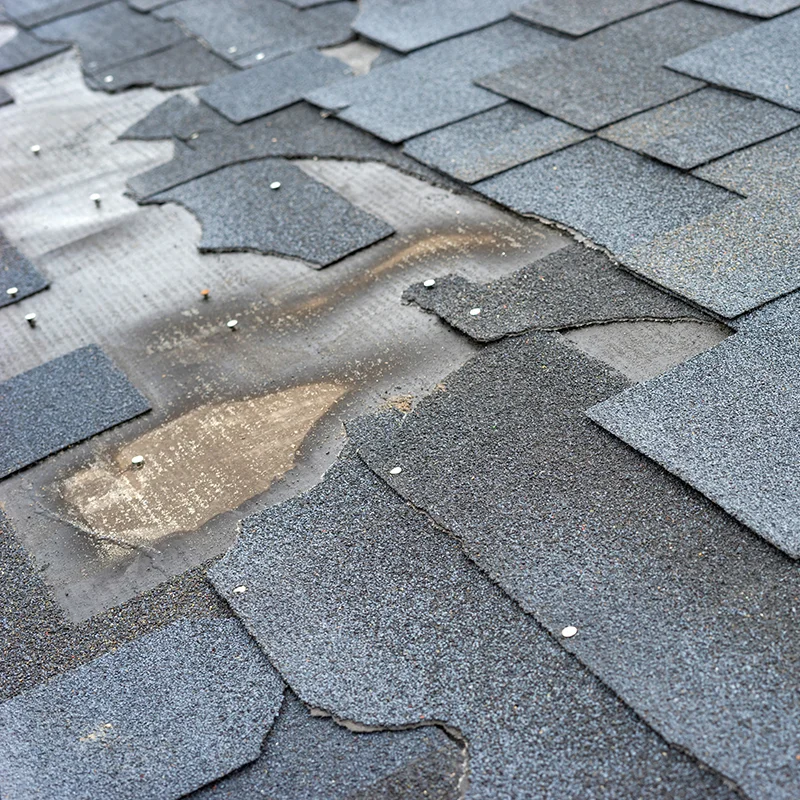
Types of Emergency Roof Repairs
Emergency roof repairs range from temporary stabilization measures to immediate permanent fixes, depending on the type and extent of damage, weather conditions, and material availability.
Temporary Weatherproofing
When conditions prevent permanent repairs, temporary weatherproofing protects your home until full repairs can proceed. This includes emergency tarping, board-up services for large openings, temporary sealing of leaks with roofing cement or patches, and securing loose materials to prevent further wind damage. These measures are designed to last through multiple weather events while permanent solutions are planned.
Emergency Shingle Replacement
When wind has torn away a section of shingles but the underlying decking and structure are intact, immediate shingle replacement can permanently resolve the issue. Our emergency crews carry common shingle types and colors to perform on-the-spot repairs when conditions allow.
Flashing and Seal Repairs
Storms frequently dislodge or damage flashing around chimneys, vents, and roof transitions. Emergency flashing repairs seal these critical junctions to prevent water intrusion. Depending on the damage, repairs may involve reseating existing flashing, applying emergency sealant, or installing temporary flashing materials. For permanent solutions, see our guide on chimney flashing repair.
Structural Stabilization
When storm events cause structural damage such as broken rafters, collapsed decking, or major punctures from fallen trees, emergency structural stabilization secures the affected area against further collapse. This may involve temporary shoring, bracing, and load redistribution until permanent structural repairs can be engineered and completed.
Emergency Roof Repair Costs in Northern Virginia
| Service / Item | Low End | High End | Notes |
|---|---|---|---|
| Emergency Tarping (same-day) | $250 | $800 | Temporary storm protection |
| After-Hours Emergency Repair | $500 | $2,500 | Weekend/holiday premium applies |
| Leak Source Identification + Repair | $300 | $1,500 | Interior + exterior assessment |
| Structural Damage Repair | $2,000 | $8,000 | Rafter, decking, or truss damage |
| Full Emergency Replacement | $10,000 | $25,000 | Severe damage requiring total replacement |
| Water Damage Remediation (interior) | $1,000 | $5,000 | Drywall, insulation, mold prevention |
Prices shown are typical ranges for Northern Virginia as of 2026 and vary based on home size, material grade, site access, and current material costs. Contact us for a free on-site estimate.
The Insurance Process for Emergency Repairs
Navigating insurance claims for emergency roof repairs is a critical part of the recovery process. Understanding how insurance works in emergency situations helps you make informed decisions and avoid common pitfalls.
Duty to Mitigate: Your insurance policy requires you to take reasonable steps to prevent further damage after a covered event. Emergency tarping and temporary repairs fulfill this obligation. Insurance covers these mitigation costs as part of your overall claim, separate from your deductible in some cases.
Documentation Requirements: Insurance companies need thorough documentation of the damage and the emergency response. This includes photos before and after temporary repairs, receipts for emergency services, a written description of the damage event, and weather reports confirming the storm. Our team provides comprehensive documentation that satisfies insurance requirements.
Working with Adjusters: We coordinate with your insurance adjuster to ensure all damage is properly assessed and documented. Having your roofing contractor present during the adjuster's inspection helps identify damage that might otherwise be missed. We provide detailed repair estimates in a format insurance companies accept.
Supplemental Claims: Sometimes permanent repairs reveal additional damage not visible during initial assessment. Supplemental claims can be filed for this additional work. Proper documentation during emergency and temporary repair phases supports these supplemental claims.
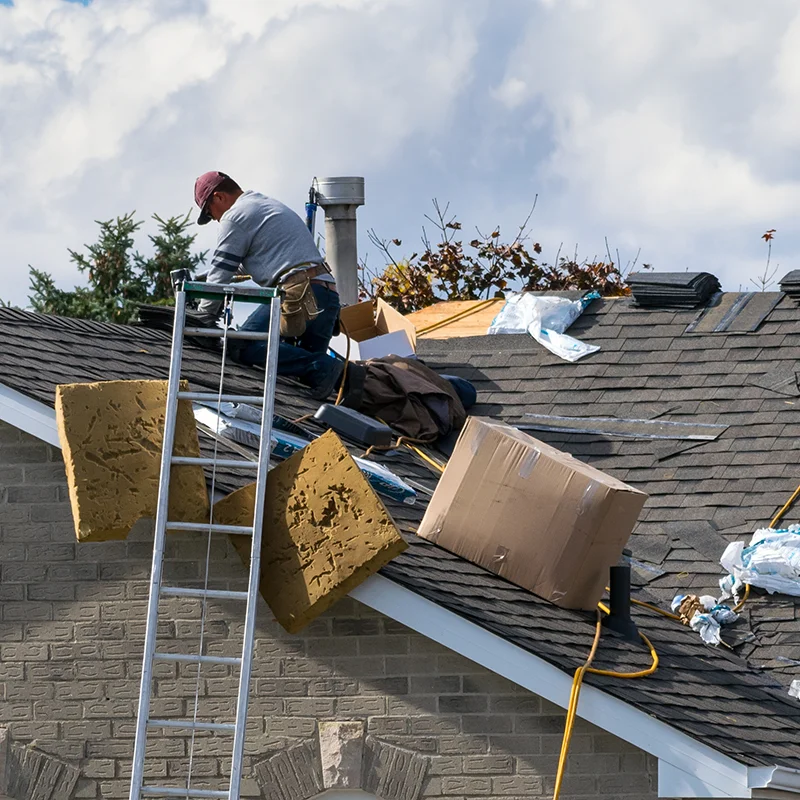
Common Emergency Roof Scenarios in Northern Virginia
Our years of providing emergency roof repair throughout Northern Virginia have given us extensive experience with the specific types of emergencies our region faces. Here are the most common scenarios we respond to:
Tree Impact Damage
Northern Virginia's dense tree canopy means fallen trees and large branches are the most common cause of emergency roof calls. Mature oaks, tulip poplars, and other hardwoods can cause catastrophic damage when they fall during storms. Our response includes assessing structural stability, coordinating tree removal with arborist services, tarping the damaged area, and planning permanent structural repairs.
Severe Thunderstorm Damage
Summer thunderstorms with damaging winds frequently tear off shingles, strip flashing, and drive rain into vulnerable areas. These events often damage multiple homes in a neighborhood simultaneously, creating high demand for emergency services. We prioritize response based on damage severity and risk of secondary damage.
Ice Dam Leaks
Winter ice dams cause water to back up under shingles and enter the home. These leaks often appear suddenly when warm indoor air melts snow on the roof above heated spaces, and the meltwater refreezes at the cold eave edge. Emergency response includes managing interior water intrusion and creating channels for ice dam drainage. Read our guide on snow removal from roofs for prevention tips.
Why Choose Reston Roofing for Emergency Service
When you are facing a roof emergency, you need a contractor you can reach, trust, and rely on. Reston Roofing has served Northern Virginia through countless storms and emergencies, and our emergency response capability reflects our commitment to protecting local homeowners.
- Local Response Team: Our crews live and work in Northern Virginia, enabling faster response times than out-of-area contractors
- Emergency-Ready Equipment: We maintain tarps, temporary repair materials, and emergency supplies ready for immediate deployment
- Insurance Expertise: Years of working with insurance companies on emergency claims means smoother processes and better outcomes for homeowners
- Licensed and Fully Insured: Full Virginia contractor licensing and comprehensive insurance protect you during emergency work
- Transparent Emergency Pricing: We provide clear pricing for emergency services with no hidden charges or surprise fees
- Follow-Through to Permanent Repair: We handle every phase from emergency response through final permanent repairs, providing a single point of responsibility
We serve all Northern Virginia communities including Reston, Herndon, Vienna, Fairfax, Sterling, Oakton, McLean, Arlington, Falls Church, and Springfield.
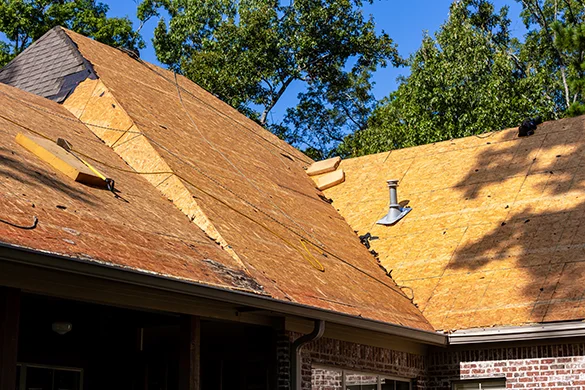
Preventing Roof Emergencies
While no one can prevent severe weather, proactive maintenance significantly reduces the risk and severity of roof emergencies. Northern Virginia homeowners should implement these preventive measures:
Annual Professional Inspections: Have your roof professionally inspected at least once per year, ideally in spring before storm season. Inspections identify loose shingles, deteriorating flashing, and other vulnerabilities that storms exploit. Addressing these issues proactively costs far less than emergency repairs.
Tree Management: Work with a certified arborist to evaluate trees near your home. Remove dead or dying trees and trim branches that overhang your roof or could fall onto it during storms. This is particularly important in established Northern Virginia neighborhoods with mature tree canopies.
Gutter Maintenance: Keep gutters clean and properly secured. Clogged gutters contribute to ice dam formation in winter and can pull away from the fascia during storms, causing additional roof edge damage. Our gutter repair and cleaning guide covers maintenance best practices.
Address Repairs Promptly: Small issues become big emergencies when storms hit a vulnerable roof. Replace missing shingles, repair damaged flashing, and seal minor leaks before the next storm event. Regular roof repair is your best defense against emergencies.
Frequently Asked Questions
Can I put a tarp on my roof myself?
We strongly advise against climbing on a damaged roof, especially during or immediately after a storm. Wet, damaged roofing surfaces are extremely dangerous, and improper tarping can cause additional damage or fail during the next rain event. Professional emergency tarping is safe, effective, and typically covered by insurance. Call a professional and focus on protecting the interior of your home from the ground level.
Will my insurance cover the full cost of emergency repairs?
Most homeowner insurance policies cover emergency repairs for sudden, accidental damage from storms, fallen trees, and similar events. You will be responsible for your deductible. Emergency mitigation costs like tarping are often covered in addition to permanent repair costs. Review your specific policy or speak with your agent for details about your coverage. We help document and justify all emergency costs for your claim.
How do I find a trustworthy emergency roofer?
After storms, be cautious of door-to-door storm chasers who appear in damaged neighborhoods. Choose a contractor with a local business address, verifiable references, proper Virginia licensing, and comprehensive insurance. Established local companies like Reston Roofing have their reputation invested in the community and provide reliable emergency service. Check our guide on choosing a trusted roofing contractor.
What if my roof emergency happens on a weekend or holiday?
Reston Roofing understands that emergencies do not follow a business schedule. We monitor for emergency calls and respond as quickly as safely possible regardless of the day or time. After-hours emergency service may include a response fee, but protecting your home from further damage is worth every dollar.
How long can a temporary tarp protect my roof?
A professionally installed tarp can protect your roof for several weeks to a few months, depending on conditions and the quality of installation. However, tarps are a temporary solution and should be replaced with permanent repairs as soon as practical. Prolonged reliance on tarps risks shifting, UV degradation, and wind damage that can compromise protection.
Contact Reston Roofing for Emergency Service
When your roof suffers sudden damage, you need a fast, reliable, and experienced response. Reston Roofing provides emergency roof repair services throughout Northern Virginia, from initial tarping and stabilization through permanent repairs and insurance claim support.
Do not wait for further damage. Whether a tree has hit your roof, a storm has torn off shingles, or an active leak threatens your home, our team is ready to respond and protect your property.
Call us now at (571) 453-6515 for emergency roof repair service. For non-emergency needs, schedule a consultation online at your convenience.