How to Choose a Roofing Contractor in Northern Virginia
Choosing the right roofing contractor is one of the most important decisions you'll make as a Northern Virginia homeowner. Your roof protects everything beneath it, and the quality of installation or repair directly determines how well that protection holds up over the years. Unfortunately, the roofing industry attracts both highly skilled professionals and unscrupulous operators, making it essential to know how to tell them apart. This guide gives you the knowledge and tools to choose a roofing contractor with confidence, whether you need a minor repair or a complete roof replacement.
Why Contractor Selection Matters
A roofing project is a significant investment, typically ranging from a few hundred dollars for minor repairs to $15,000 or more for a full replacement. The contractor you choose determines the quality of materials used, the precision of installation, the validity of warranties, and ultimately how long your roof will protect your home.
Hiring the wrong contractor can result in poor workmanship that fails within years, voided manufacturer warranties due to improper installation, liability exposure from uninsured workers injured on your property, incomplete work that leaves your home vulnerable to water damage, and financial loss from contractors who take deposits and disappear. Taking time to research and vet contractors properly prevents these costly outcomes and ensures you get the quality roofing work your Reston home deserves.
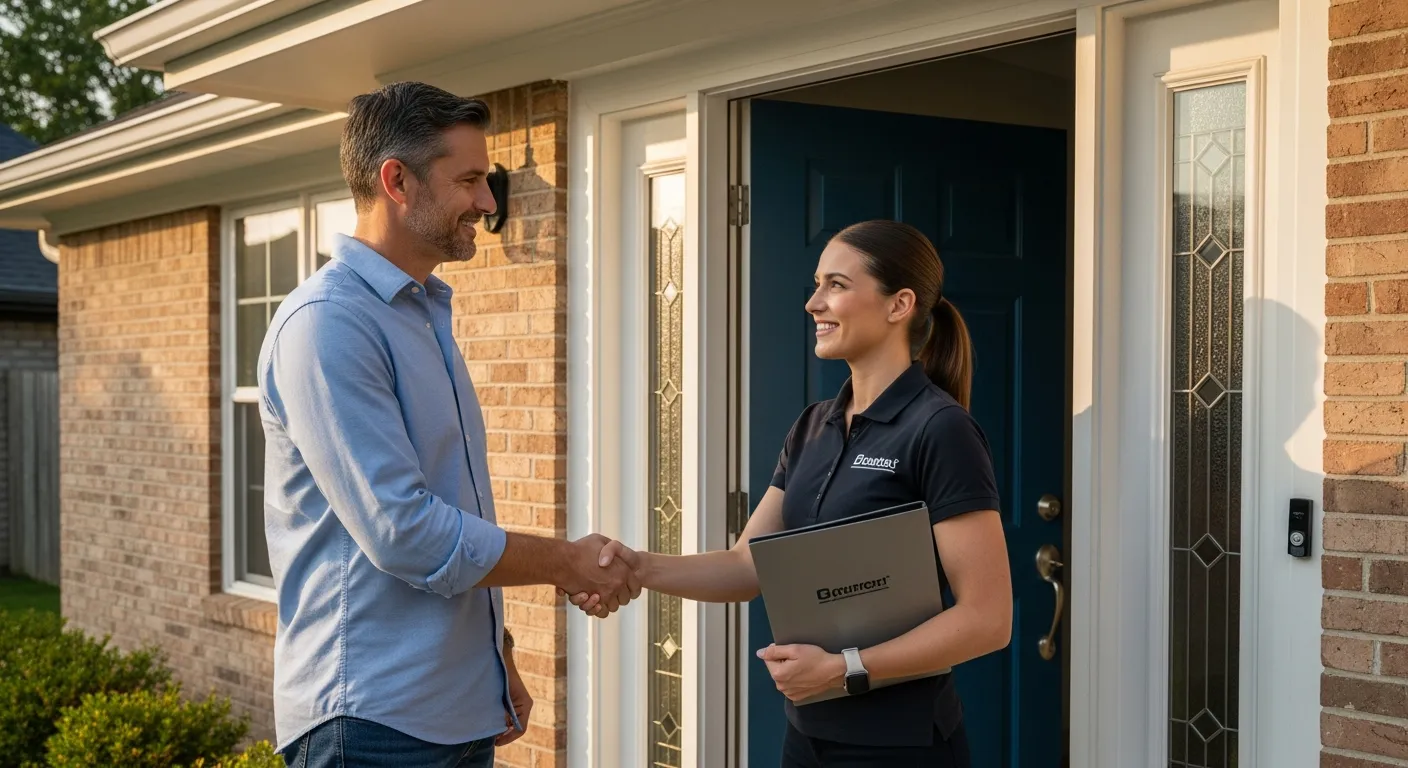
Step 1: Verify Licensing and Registration
Virginia law requires roofing contractors to hold a state contractor's license issued by the Department of Professional and Occupational Regulation (DPOR). This licensing requirement exists to protect homeowners by ensuring contractors meet minimum competency and financial responsibility standards.
Virginia Contractor License Classes
Class A License: Required for projects exceeding $120,000. Contractors must demonstrate significant experience, financial stability, and pass trade-specific examinations. This is the highest level of licensure and indicates a well-established business.
Class B License: Covers projects between $10,000 and $120,000. Most residential roof replacements fall in this range. Class B contractors must meet experience and examination requirements, though thresholds are lower than Class A.
Class C License: For projects under $10,000. Appropriate for small repairs and maintenance work. While requirements are less stringent, a valid Class C license still indicates a legitimate business operating within Virginia's regulatory framework.
You can verify any contractor's license status online through the DPOR website. Check that the license is current, covers the appropriate project value, and lists the roofing specialty. Also verify that the contractor holds a valid business license for Fairfax County or the specific jurisdiction where your home is located.
Step 2: Confirm Insurance Coverage
Proper insurance is non-negotiable when hiring a roofing contractor. Without it, you could face devastating financial liability for accidents or damage during your project.
- General liability insurance - Covers damage to your property caused by the contractor's work, with recommended minimum coverage of $1 million
- Workers' compensation insurance - Covers medical costs and lost wages for workers injured on your property, required by Virginia law for most employers
- Vehicle insurance - Covers damage caused by contractor vehicles on your property
Request a Certificate of Insurance (COI) from every contractor you're considering. Don't simply accept a verbal confirmation or a photocopy of an expired policy. Call the insurance company directly to verify coverage is current and adequate. Ask to be listed as an additional insured on the policy for maximum protection during your project.
Contractors who claim insurance isn't necessary, who can't produce a COI, or who become defensive when asked about insurance should be eliminated from consideration immediately. Legitimate contractors understand that insurance verification is a standard part of the hiring process and welcome the question. Learn more about working with trusted roofing contractors.
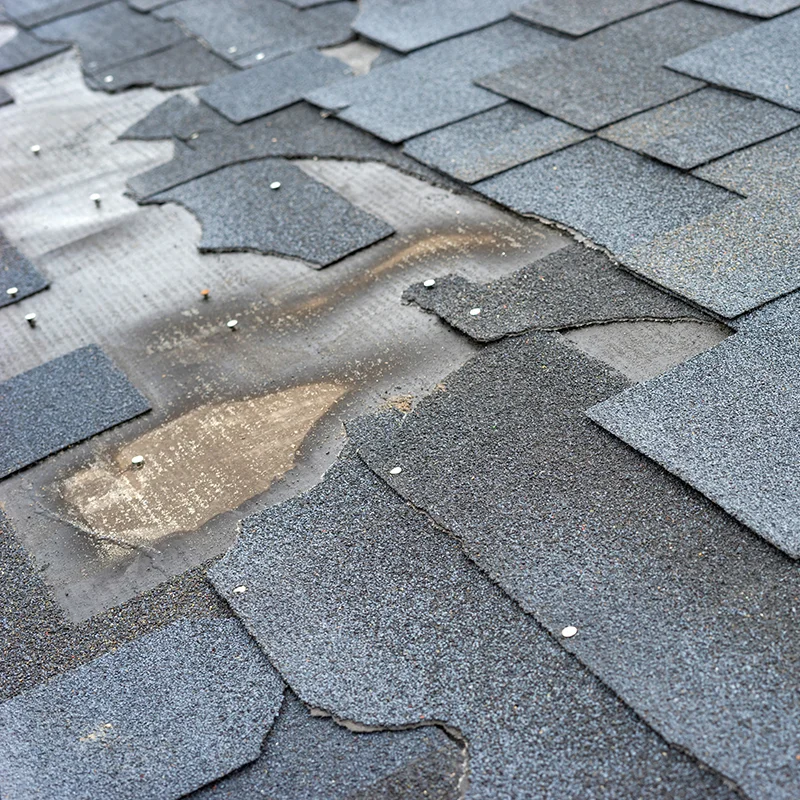
Step 3: Research Reputation and Reviews
A contractor's reputation tells you more about what to expect than any sales pitch. Thorough research into their track record reveals patterns of quality, reliability, and customer service.
Online Review Platforms
Check multiple review platforms for a comprehensive picture. Google Reviews provides the largest sample size and is difficult to manipulate. Yelp offers detailed reviews from verified customers. The Better Business Bureau (BBB) shows complaint history and resolution patterns. Angi (formerly Angie's List) and HomeAdvisor provide verified reviews from actual customers who used the service.
Look for patterns rather than individual reviews. Every contractor receives occasional negative reviews, but a pattern of similar complaints about communication, quality, timeliness, or billing indicates systemic problems. Pay attention to how contractors respond to negative reviews, as professional and constructive responses indicate a company that values customer satisfaction.
References and Past Work
Request references from recent projects similar in scope to yours. A reputable contractor should readily provide three to five references. When contacting references, ask about the quality of work, adherence to timeline and budget, communication during the project, cleanup and professionalism, and whether they would hire the contractor again.
If possible, drive by completed projects to see the workmanship firsthand. Straight ridge lines, consistent shingle alignment, clean flashing details, and neat edges indicate quality installation practices.
What Roofing Services Typically Cost in Northern Virginia
Prices shown are typical ranges for Northern Virginia as of 2026 and vary based on home size, material grade, site access, and current material costs. Contact us for a free on-site estimate.
Red Flags That Signal an Untrustworthy Contractor
Northern Virginia's active roofing market attracts both excellent local contractors and predatory operators who target homeowners after storms or during peak roofing season. Knowing the warning signs can save you thousands of dollars and months of frustration. Here are the specific red flags we've seen cause problems for homeowners throughout the Reston, Herndon, and Fairfax areas.
Door-to-door solicitation after storms is the most common entry point for problem contractors. After a hailstorm moves through the Dulles corridor — particularly along the Route 28 and Centreville Road areas — unlicensed crews from out of state set up operations and go door-to-door offering "free inspections." They'll point to normal granule loss as "hail damage," pressure you to sign a contract on the spot, and offer to "waive your deductible" — which is insurance fraud in Virginia. A legitimate contractor doesn't need to go door-to-door for business, never pressures you to sign same-day, and always provides a written estimate you can review at your own pace.
Requests for large upfront payments should immediately raise concern. Virginia law does not cap contractor deposits, but industry standard for reputable Northern Virginia roofers is 10 to 33 percent as a deposit, with the balance due upon completion. Any contractor asking for 50 percent or more upfront, or requesting cash payment, is a significant risk. We've seen cases in the Sterling and Ashburn areas where homeowners paid $8,000 to $12,000 upfront to contractors who never returned to complete the work — and because the payments were in cash, recovery through the courts was virtually impossible.
Missing or suspicious licensing is the easiest red flag to verify. Every roofing contractor working in Virginia must hold a valid license from the Department of Professional and Occupational Regulation (DPOR). You can search any contractor's license status at dpor.virginia.gov — it takes 30 seconds. Look for the specific license class (Class A for projects over $120,000, Class B for $10,000 to $120,000, Class C for $1,000 to $10,000) and confirm it's current and in good standing. Also verify their insurance certificate is current — a minimum of $1 million in general liability and workers' compensation coverage for their crew. If a contractor can't or won't provide these documents on request, end the conversation.
Step 4: Recognize Red Flags
Knowing what to avoid is just as important as knowing what to look for. These red flags should disqualify a contractor from consideration:
Demanding Full Payment Upfront: Reputable contractors never require full payment before starting work. A reasonable deposit of 10 to 30 percent is standard, with the balance due upon completion. Any contractor demanding full payment upfront may take your money and never complete the work.
Door-to-Door Storm Chasers: After major storms, out-of-town contractors often canvass damaged neighborhoods, offering free inspections and pressuring immediate commitments. These storm chasers typically provide substandard work, use inferior materials, and disappear before warranty issues arise. Always work with established local contractors for storm damage repairs.
No Written Contract: A verbal agreement provides no protection if disputes arise. Every legitimate contractor provides a detailed written contract specifying scope of work, materials, timeline, price, payment terms, warranty details, and permit responsibilities. Never start a project without a signed contract.
Pressure to Sign Immediately: High-pressure sales tactics indicating "today-only" pricing or limited availability are manipulation techniques. Reputable contractors provide estimates that remain valid for 30 to 60 days, giving you time to compare options and make an informed decision.
Suspiciously Low Estimates: An estimate significantly lower than competitors usually means the contractor is cutting corners on materials, labor, or both. Lowball estimates often lead to change orders, surprise charges, or abandoned projects. Quality roofing work has a fair market cost, and dramatically undercutting that cost inevitably compromises quality.
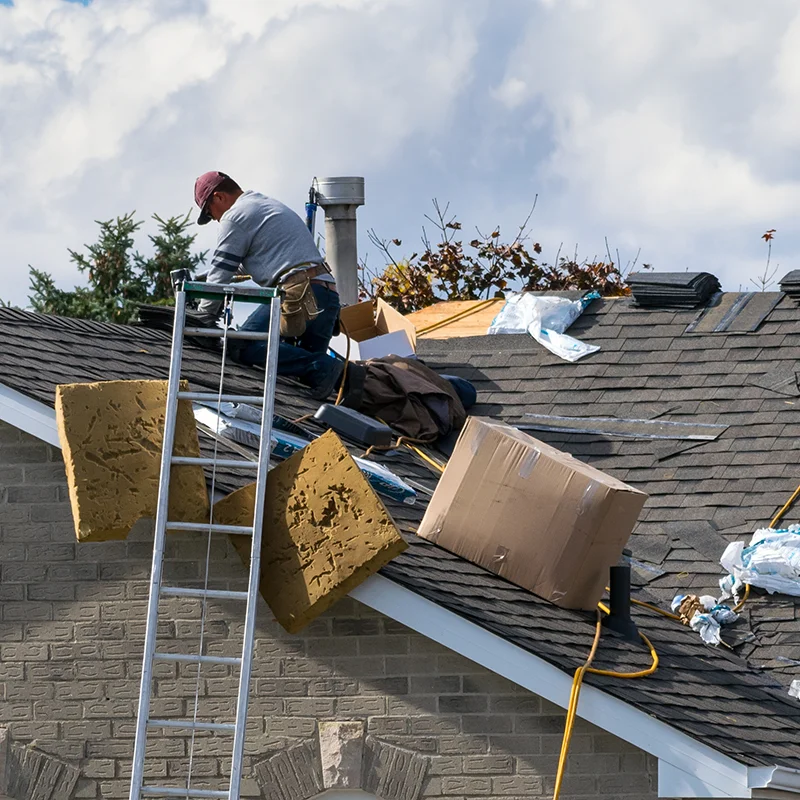
Step 5: Ask the Right Questions
Interviewing potential contractors helps you assess their expertise, professionalism, and fit for your project. Here are essential questions to ask every contractor you're considering:
About Their Business
"How long have you been in business?" Established companies with five or more years of operation demonstrate stability and staying power. Longevity suggests satisfied customers and sound business practices.
"Do you have a permanent office location?" A physical office indicates investment in the community and makes the contractor accessible for follow-up service. Be cautious of contractors who operate solely from a cell phone with no fixed address.
"Who will supervise my project?" Understanding the management structure ensures accountability. You should have a specific point of contact who oversees your project from start to finish.
About Your Project
"Will you obtain all necessary permits?" Fairfax County and other Northern Virginia jurisdictions require permits for roof replacements and significant repairs. Your contractor should handle permit acquisition and ensure work passes inspection. Learn about Fairfax County roofing permits to understand the requirements.
"What materials do you recommend and why?" A knowledgeable contractor explains material options, their advantages and limitations, and recommends solutions based on your specific situation rather than a one-size-fits-all approach. Explore the best roofing materials for Northern Virginia to inform your conversation.
"What warranty do you provide on workmanship?" Manufacturer warranties cover material defects, but workmanship warranties cover installation quality. A minimum five-year workmanship warranty is standard among quality contractors, with many offering ten years or more.
Step 6: Compare Written Estimates
Obtain at least three detailed written estimates before making your decision. A proper estimate should include:
- Complete scope of work - Detailed description of all work to be performed including tear-off, decking repair, installation, and cleanup
- Material specifications - Brand, model, color, and quantity of all materials including shingles, underlayment, flashing, and ventilation components
- Labor costs - Breakdown of labor expenses or clear total pricing
- Timeline - Expected start date, duration, and completion date
- Warranty details - Specifics on both manufacturer material warranties and contractor workmanship warranties
- Payment schedule - Deposit amount, progress payments if any, and final payment terms
- Permit and inspection costs - Included or separate fees for required permits
Compare estimates based on total value, not just price. The contractor offering the best combination of quality materials, experienced installation, comprehensive warranty, and fair pricing provides the best value. A slightly higher price often reflects better materials, more experienced crews, and stronger warranty backing. For guidance on costs, read our roof replacement cost guide.
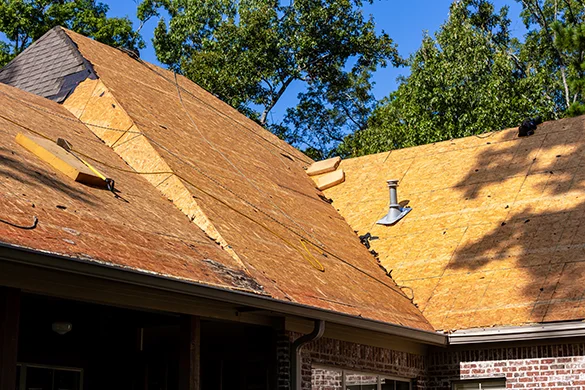
The Benefits of Choosing a Local Contractor
Local roofing contractors offer distinct advantages over national companies and out-of-area operators that directly benefit Northern Virginia homeowners:
Local Knowledge: Contractors established in the Reston area understand local building codes, HOA requirements, and the specific weather patterns that affect roofing performance. This expertise informs material recommendations and installation techniques tailored to our region.
Accountability: A local contractor's reputation is their most valuable asset. They're invested in the community and motivated to deliver quality work because their business depends on local referrals and repeat customers.
Accessibility: When you need warranty service, follow-up repairs, or have questions after your project, a local contractor is a phone call away. National companies and storm chasers are often unreachable after they leave the area. Read about why choosing a local Reston roofing contractor matters for your project.
Community Connection: Local contractors contribute to the community through employment, tax revenue, and civic involvement. Supporting local businesses strengthens the community you live in.
Frequently Asked Questions
How long should I expect the contractor selection process to take?
Allow two to three weeks for thorough contractor selection. This includes requesting and receiving estimates from three or more contractors, verifying licensing and insurance, checking references, and reviewing contracts. Rushing this process increases your risk of choosing a subpar contractor.
Should I be concerned if a contractor doesn't have a website?
In today's market, the absence of a professional website raises concerns about a contractor's legitimacy and investment in their business. While some excellent small contractors operate without websites, a professional online presence typically indicates a more established and transparent operation.
What should be included in a roofing contract?
A comprehensive roofing contract includes the full scope of work, material specifications, total price and payment schedule, start and completion dates, warranty terms, permit responsibilities, insurance information, change order procedures, and dispute resolution methods. Read every clause before signing and ask about anything unclear.
Can I negotiate with roofing contractors?
Some aspects of a roofing estimate are negotiable. Contractors may adjust pricing on premium upgrades, offer seasonal discounts, or provide better terms for flexible scheduling. However, be cautious about aggressively negotiating base pricing, as significant reductions may lead to compromises in material quality or workmanship.
What if I'm unhappy with the contractor's work?
Address concerns immediately with the project manager. Most reputable contractors have quality assurance processes and want to resolve issues. If direct communication fails, reference your written contract for dispute resolution procedures. Filing a complaint with the DPOR and your local consumer protection office provides additional recourse.
Choose Reston Roofing with Confidence
Reston Roofing meets every criterion of a trustworthy roofing contractor. We're fully licensed and insured, locally owned and operated, and backed by hundreds of satisfied customers throughout Northern Virginia. Our transparent pricing, detailed contracts, and comprehensive warranties give you confidence in your investment.
We serve homeowners in Reston, Herndon, Vienna, Fairfax, Sterling, McLean, Oakton, and throughout Northern Virginia with the same commitment to quality and integrity that has built our reputation over the years.
Call us today at (571) 453-6515 or schedule a consultation online. Experience the difference a truly professional roofing contractor makes for your home.