How to Extend the Lifespan of Your Roof in Northern Virginia
Your roof is the most expensive exterior component of your Northern Virginia home, and its condition directly affects your property value, energy efficiency, and comfort. A full roof replacement in the Reston, Fairfax, Herndon, and greater NOVA region costs between $8,000 and $18,000 for asphalt shingles and $18,000 to $30,000 or more for premium materials like metal standing seam or slate. Those are significant numbers, and the good news is that proactive maintenance and smart decisions can extend your roof's functional lifespan by 5 to 15 years beyond its rated service life, saving you thousands in premature replacement costs.
Northern Virginia's climate is particularly demanding on roofing materials. The Washington DC metro area subjects your roof to intense summer UV exposure with surface temperatures exceeding 160 degrees Fahrenheit on dark shingles, winter freeze-thaw cycles that expand and contract materials 40 to 60 times per season, humidity levels between 65 and 75 percent that promote algae and moss growth, and severe thunderstorms that bring 60-plus mph winds and heavy rain from May through September. Every roofing material has a rated lifespan, but that number assumes proper installation, adequate ventilation, and regular maintenance. Neglect any one of those factors and your roof will fail years before it should.
This guide provides the proven, practical strategies that Northern Virginia homeowners can use to maximize their roof's lifespan. Whether you have a 5-year-old architectural shingle roof on your Reston colonial or a 20-year-old three-tab roof on your Springfield ranch, these steps will help you get the most value from your roofing investment.
Schedule Regular Professional Roof Inspections
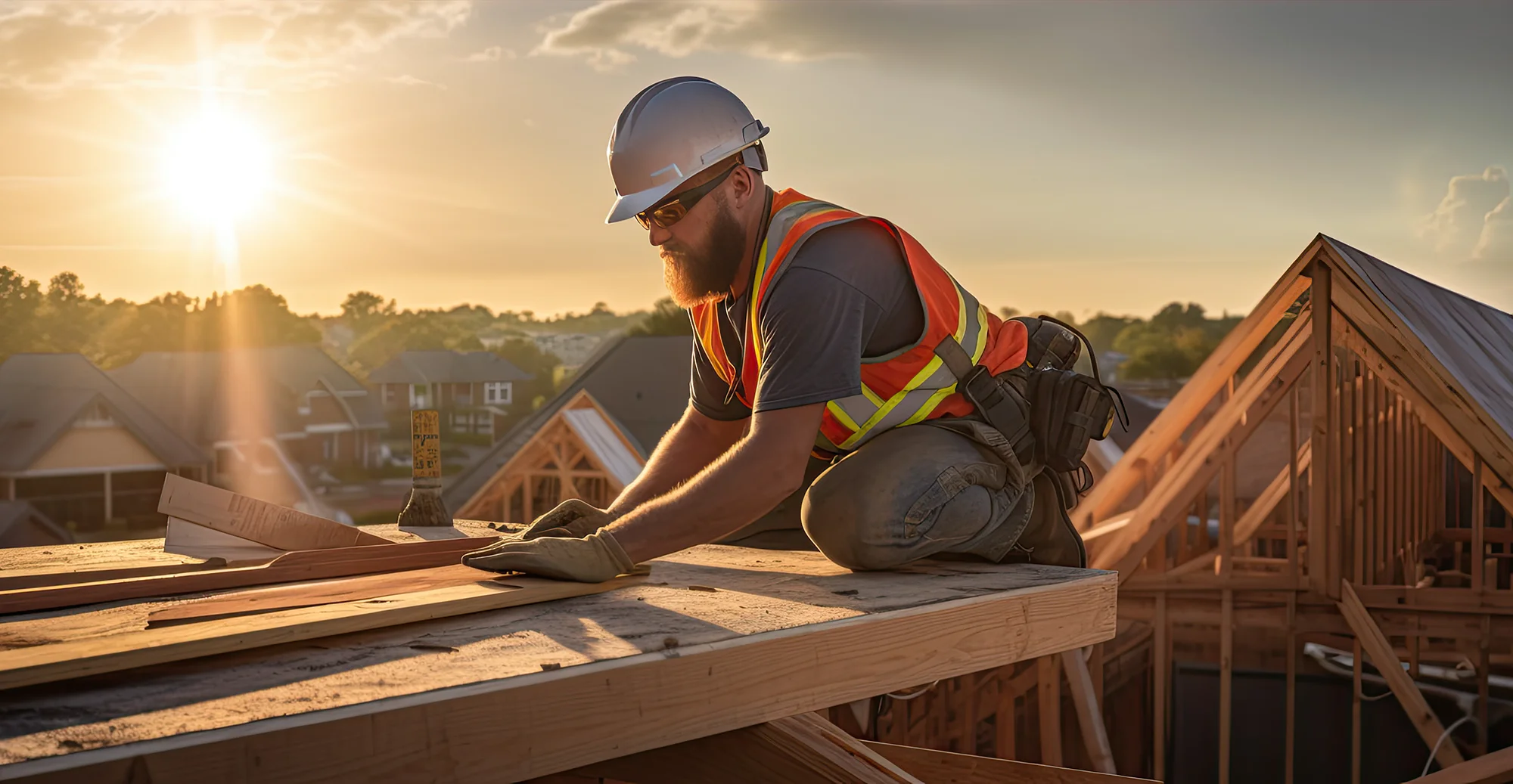
Professional roof inspections are the foundation of any roof longevity program, and most Northern Virginia homeowners don't schedule them often enough. The rule is simple: have your roof professionally inspected twice per year, once in spring after winter's freeze-thaw cycles have finished, and once in fall before the wet season begins. You should also schedule an inspection after any significant storm event with winds exceeding 50 mph or hail larger than a quarter.
A professional inspection identifies problems that are invisible from the ground. Hairline cracks in shingle sealant strips that will become leaks by next winter. Pipe boot gaskets that have dried and cracked from UV exposure. Flashing joints around chimneys and dormers where sealant has separated from metal. Roof vents with damaged screens that allow pest entry into the attic. These small issues cost $100 to $400 to fix when caught early, but they cause $1,500 to $5,000 or more in water damage, insulation replacement, and structural repair when left unaddressed for a year or two.
Most reputable roofing companies in Northern Virginia, including Reston Roofing, offer free initial inspections that include a written condition report with photos documenting any issues found. This report becomes your baseline for tracking the roof's condition over time and planning maintenance work before problems escalate. Homes in the established neighborhoods along Hunter Mill Road in Oakton, around the Vienna town center, and in Reston's original 1970s cluster communities particularly benefit from regular inspections because their roofing systems are often 15 to 25 years old and approaching the age where small problems accelerate quickly.
Keep Gutters Clean and Drainage Systems Functioning
Clogged gutters are one of the top three causes of premature roof failure in Northern Virginia, and they are entirely preventable. When gutters fill with leaves, pine needles, and debris, water backs up against the roof edge and saturates the fascia board, shingle edges, and the underlying roof deck. Over one to two seasons of neglect, this standing water causes wood rot in the fascia, deterioration of the drip edge flashing, and shingle granule loss along the eaves where shingles are most vulnerable to water damage.
Northern Virginia's heavy tree canopy makes gutter maintenance especially critical. Homes in the wooded neighborhoods around Reston's Lake Audubon and Lake Thoreau, the tree-lined streets of Great Falls along Georgetown Pike, and the mature oak and maple neighborhoods throughout Fairfax and Vienna need gutter cleaning at minimum twice per year, in late spring after seed pods and pollen drop and in late fall after leaves have finished falling. Homes surrounded by pine trees need cleaning three to four times per year because pine needles accumulate faster and are more difficult to flush than deciduous leaves.
Professional gutter cleaning costs $150 to $300 per service for a typical Northern Virginia home. Gutter guards can reduce cleaning frequency but don't eliminate it entirely. Even the best gutter guard systems need annual inspection and occasional cleaning to ensure they are functioning properly. The return on this investment is enormous when you consider that water damage from clogged gutters is one of the leading causes of the roof leaks that Northern Virginia homeowners call about every fall and winter.
Ensure Proper Attic Ventilation
Inadequate attic ventilation is the single most common cause of premature asphalt shingle failure across Northern Virginia, and it is also the most frequently overlooked. When your attic can't breathe, heat builds up during summer to temperatures of 140 to 160 degrees Fahrenheit. That extreme heat radiates upward into the roof deck and shingles above, effectively cooking your shingles from below while the sun cooks them from above. This double-sided heat assault accelerates granule loss, dries out the asphalt binder that keeps shingles flexible and waterproof, and causes premature curling and cracking that shortens your roof's lifespan by 5 to 8 years.
In winter, poor ventilation causes a different but equally damaging problem. Warm, moist air from your living space rises into the attic and condenses on the cold underside of the roof deck. This condensation promotes mold growth on roof sheathing, rots plywood decking from below, and creates ice dams when the trapped heat melts snow on the upper roof that refreezes at the colder eaves. Homes built in the 1960s through 1980s throughout Reston, Vienna, Oakton, and Falls Church commonly have ventilation systems that fall far short of modern standards.
Virginia building code requires a minimum net free ventilation area ratio of 1:150, which can be reduced to 1:300 when ventilation is balanced between intake at the soffits and exhaust at the ridge. A professional evaluation of your attic ventilation during a roof inspection costs nothing extra and can identify whether adding ridge vent, soffit vents, or attic fans would meaningfully extend your roof's lifespan. Upgrading ventilation during a roof replacement adds $300 to $800 to the project cost but can add 5 to 8 years of additional service life to your new shingles.
Address Minor Repairs Immediately
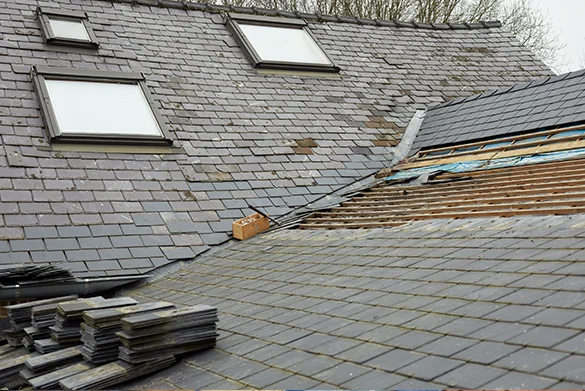
Small roofing problems in Northern Virginia don't stay small for long. A cracked pipe boot gasket that lets in a few drops of water per rainstorm will saturate the surrounding roof deck within one season, causing wood rot that requires decking replacement during the next repair. A handful of missing shingles from a summer thunderstorm exposes the underlayment to UV degradation that compromises its waterproofing ability within weeks. A lifted flashing edge around a dormer that could be re-sealed for $150 becomes a $2,000 interior water damage repair after two months of rain.
The most common minor repairs that Northern Virginia homeowners should address immediately include cracked or missing pipe boot gaskets, which cost $75 to $200 per boot to replace. Lifted or missing shingles from wind damage cost $150 to $400 to repair for a small area. Re-sealing flashing joints around chimneys, dormers, and roof-to-wall transitions costs $100 to $350. Replacing damaged drip edge flashing along eaves costs $200 to $500 per section. Repairing small areas of damaged underlayment visible through missing shingles costs $200 to $600.
The economics of prompt repair are compelling. Every dollar spent on minor maintenance saves $10 to $20 in major repair costs down the line. A homeowner who spends $300 to $600 per year on minor roof maintenance over a 25-year shingle lifespan spends $7,500 to $15,000 total, which is roughly the cost of one roof replacement. But that maintenance investment extends the roof's functional life to 30 to 35 years, effectively giving you 5 to 10 additional years of service at no additional capital cost beyond the maintenance spending you would have incurred anyway.
Choose the Right Materials for Northern Virginia's Climate
Material selection is a decision you make once per roof lifecycle, and it has an outsized impact on how long that roof will last. Northern Virginia's combination of UV exposure, humidity, freeze-thaw cycles, and severe storm events eliminates some materials from consideration and makes others perform better or worse than their rated lifespans suggest.
For most Northern Virginia homeowners, architectural asphalt shingles from top manufacturers like GAF, CertainTeed, or Owens Corning deliver the best balance of cost and longevity. Choose shingles rated for 130 mph winds and with algae-resistant granules to combat the moss and algae growth that Northern Virginia's humidity promotes. If you're building a long-term home in Great Falls, McLean, or the estate neighborhoods of Fairfax County, metal standing seam or natural slate provides a lifespan that outlasts your mortgage and eliminates the need for a second roof replacement during your ownership. For detailed material comparisons, read our guide to the best roofing materials for Northern Virginia.
Trim Trees and Manage Surrounding Vegetation
Overhanging tree branches are one of the most underestimated threats to roof longevity in Northern Virginia. Branches that touch or hang over your roof cause damage in four distinct ways, and addressing all four can add years to your roof's functional lifespan.
First, branches scraping against shingles during wind events strip protective granules from the shingle surface. Granules are the first line of defense against UV degradation, and once they're gone, the exposed asphalt deteriorates rapidly. Second, overhanging branches drop leaves, seeds, and pine needles onto the roof surface. This debris accumulates in valleys, behind dormers, and around chimney bases where it traps moisture against the roof material and promotes decay. Third, large branches that fall during storms cause immediate physical damage that ranges from a few cracked shingles to catastrophic structural failure. The June 2024 derecho that hit the DC metro area reminded homeowners across Reston, Sterling, and Ashburn how quickly a healthy-looking tree can drop major limbs onto a roof. Fourth, heavy tree canopy that shades the roof prevents shingles from drying after rain, which promotes algae and moss growth that deteriorates shingle surfaces over time.
Trim all branches to maintain a minimum 6-foot clearance from the roof surface. Remove dead or weakened trees that could fall during storms. For homes in the heavily wooded neighborhoods around Reston's Lake Anne, along Difficult Run in Great Falls, or in the mature tree canopy areas of Vienna and Oakton, professional tree trimming costs $300 to $1,200 per service and should be scheduled every two to three years. This investment directly protects your roof and prevents the kind of storm damage that leads to emergency roof repairs.
Maintain Flashing and Sealant Integrity
Flashing systems around chimneys, dormers, skylights, plumbing vents, and roof-to-wall transitions are the most leak-prone components of any roof. The sealants used at flashing joints have a shorter lifespan than the flashing metal itself and need re-application every 5 to 7 years to maintain a watertight seal. In Northern Virginia's climate, where freeze-thaw cycles stress sealant joints and UV exposure dries out flexible caulk compounds, 5-year re-sealing intervals are more appropriate than the 7-year guideline used in milder climates.
During each professional inspection, ask your roofer to evaluate every flashing joint on your roof and re-seal any that show cracking, separation, or loss of adhesion. This preventive maintenance costs $150 to $400 per inspection when combined with the inspection fee and is one of the highest-return investments you can make in roof longevity. A single flashing leak that goes undetected for one season can cause $2,000 to $5,000 in interior damage, wood rot, and mold remediation costs.
Pay special attention to chimney flashing, which is the most complex and failure-prone flashing system on any residential roof. Counter-flashing embedded in chimney mortar joints needs periodic inspection to ensure the mortar hasn't deteriorated and loosened the flashing's grip. Step flashing along chimney sides should be checked for lifted edges and corrosion. Wide chimneys need crickets on the uphill side to prevent water pooling. For detailed information on chimney flashing maintenance, read our complete guide to chimney flashing repair.
Hire Qualified Contractors for All Roof Work
The quality of your roofing contractor has as much impact on your roof's lifespan as the quality of the materials they install. A premium shingle installed by an inexperienced crew with improper nailing patterns, inadequate underlayment, and poor ventilation will fail in 15 years. The same shingle installed by a certified, experienced crew following manufacturer specifications and building code requirements will last 30 years or more. The contractor you choose determines which outcome you get.
When selecting a roofing contractor in Northern Virginia, verify their Virginia contractor's license, which is required for any project over $1,000. Confirm they carry both general liability insurance with at least $1 million in coverage and workers' compensation insurance for their crew. Check their standing with the Better Business Bureau, Google reviews, and local review sites. Ask for references from recent projects in your area, not just their best projects from years ago.
Manufacturer certifications matter because they indicate the contractor has completed training on proper installation techniques for specific products. GAF Master Elite certification, CertainTeed SELECT ShingleMaster designation, and Owens Corning Preferred Contractor status all require ongoing training and meeting quality standards that general roofing contractors don't necessarily achieve. These certifications also unlock enhanced warranty coverage that standard installations don't qualify for, extending your warranty protection by 10 to 25 years on materials and adding workmanship coverage that basic warranties exclude.
Get everything in writing before work begins. A detailed contract should specify the exact materials being installed including manufacturer and product line, the scope of work including tear-off, underlayment, ice shield, ventilation, and flashing, the project timeline, the payment schedule, and the warranty terms for both materials and workmanship. Avoid contractors who provide vague verbal estimates, pressure you to sign immediately, or quote prices significantly below the market range for your area. In Northern Virginia, if a full roof replacement quote comes in more than 20 percent below the average of your other bids, something important is being cut from the scope of work.
Frequently Asked Questions
How long should a roof last in Northern Virginia?
Three-tab asphalt shingles last 15 to 20 years in Northern Virginia. Architectural asphalt shingles last 25 to 30 years with proper maintenance. Metal standing seam roofs last 50 or more years. Natural slate lasts 75 to 100 years. These lifespans assume proper installation, adequate attic ventilation, and regular maintenance. Northern Virginia's humidity, freeze-thaw cycles, and UV exposure can shorten these lifespans by 20 to 30 percent when maintenance is neglected or ventilation is inadequate.
How often should I have my roof inspected in Northern Virginia?
Have your roof professionally inspected twice per year. Schedule inspections in spring after winter freeze-thaw damage has occurred and in fall before the wet season begins. You should also schedule an inspection after any severe storm event with winds exceeding 50 mph or significant hail. Most Northern Virginia roofing companies including Reston Roofing offer free initial inspections with a written condition report and photos documenting any issues found.
What is the most cost-effective way to extend my roof's life?
Regular gutter cleaning and debris removal provide the highest return on investment for roof longevity. Clean gutters twice per year at a cost of $150 to $300 per cleaning to prevent water backup that damages eaves, fascia, and shingle edges. Combined with annual professional inspections and prompt repair of minor damage like cracked pipe boots and lifted flashing, these simple maintenance steps can extend your roof's functional lifespan by 5 to 10 years beyond its expected service life.
Does attic ventilation really affect how long my roof lasts?
Yes. Inadequate attic ventilation is the leading cause of premature asphalt shingle failure in Northern Virginia. Poor ventilation traps heat in your attic during summer, raising temperatures to 150 degrees Fahrenheit or higher, which cooks shingles from below and accelerates granule loss, curling, and cracking. In winter, trapped moisture causes condensation on the roof deck that leads to mold and wood rot. Proper ventilation with balanced intake and exhaust can add 5 to 8 years to your shingle roof's lifespan.
How much does annual roof maintenance cost in Northern Virginia?
Annual roof maintenance in Northern Virginia costs $200 to $600 depending on the scope of work and roof size. A basic maintenance plan includes two inspections per year, gutter cleaning, debris removal, minor sealant touch-ups, and a written condition report. More comprehensive plans that include flashing re-sealing, pipe boot replacement, and minor shingle repairs run $400 to $800 per year. This investment prevents repairs that average $1,500 to $5,000 when small problems are left to become big ones.
Protect Your Roofing Investment with Reston Roofing
Extending your roof's lifespan isn't complicated, but it does require consistent attention and the right professional partner. Regular inspections, prompt minor repairs, clean gutters, proper ventilation, smart material choices, and qualified contractors are the six pillars that determine whether your roof lasts 20 years or 35 years. The difference between those two outcomes is $8,000 to $18,000 in avoided replacement costs, and the maintenance investment required to achieve the longer lifespan is a fraction of that amount.
Reston Roofing has been helping Northern Virginia homeowners protect and extend their roofing investments for over 15 years. We serve homeowners across Reston, Fairfax, Herndon, McLean, Great Falls, and communities throughout the region with comprehensive inspection, maintenance, repair, and replacement services. Every project begins with an honest assessment of your roof's current condition and practical recommendations that prioritize your long-term interests over short-term sales.
Call us today at (571) 453-6515 or schedule a consultation online. We'll inspect your roof, identify any issues that need attention, and help you build a maintenance plan that maximizes your roof's lifespan and protects your home for the years ahead.