How Northern Virginia Weather Damages Your Roof
Northern Virginia's climate is uniquely challenging for residential and commercial roofing systems. Unlike regions with predictable, consistent weather patterns, our area experiences the full spectrum of conditions throughout the year: scorching summer heat, bitter winter cold, heavy precipitation in every season, and severe storms that can strike with little warning. Homeowners in Reston, Herndon, Vienna, Fairfax, and surrounding communities need to understand how each season affects their roof so they can take proactive steps to prevent damage and extend the lifespan of their roofing investment. This guide breaks down the specific weather threats your roof faces throughout the year and provides actionable prevention strategies for each one.
Summer Heat and UV Radiation
Northern Virginia summers are intense. Temperatures regularly exceed 90 degrees Fahrenheit, with heat indices climbing above 100 degrees for days at a stretch. Your roof absorbs the full force of this heat, and the consequences accumulate over time.
Thermal Expansion and Contraction: Roofing materials expand during extreme daytime heat and contract as temperatures drop at night. This daily cycle stresses connection points, loosens fasteners, and creates gaps in flashing joints where water can penetrate. Over multiple summers, this thermal cycling weakens the overall integrity of your roofing system.
UV Degradation: Ultraviolet radiation from direct sunlight breaks down the chemical bonds in asphalt shingles. This causes the protective granule layer to loosen and shed, leaving the underlying asphalt mat exposed to further degradation. South and west-facing roof slopes receive the most UV exposure and often show signs of aging faster than north-facing sections.
Shingle Curling and Cracking: Prolonged heat exposure causes shingles to dry out, lose flexibility, and curl at the edges. Curled shingles are more susceptible to wind uplift and no longer provide effective water shedding. Cracked shingles allow water infiltration during rain events. Regular roof repair addresses these issues before they compound.
Summer and Spring Thunderstorms
Northern Virginia experiences frequent severe thunderstorms from April through September. These storms combine multiple destructive forces that can damage even well-maintained roofs in minutes.
Wind Damage
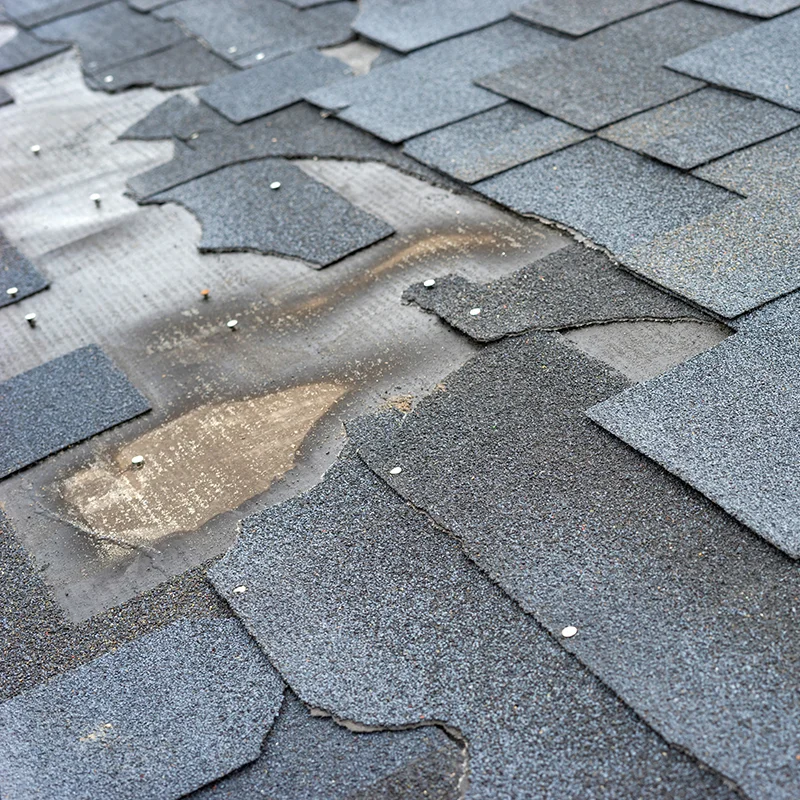
Thunderstorm winds in Northern Virginia regularly reach 50 to 70 mph, with severe storms producing gusts above 80 mph. These winds lift and tear shingles, strip ridge caps, damage flashing, and can even remove entire sections of roofing material. The strongest winds typically occur along the leading edge of storm systems, and homes on hilltops or at the edges of tree lines are most vulnerable. Even partial shingle loss compromises your roof's water resistance and requires prompt professional repair.
Hail Impact
While Northern Virginia does not experience the extreme hail events common in the Midwest, we do receive hail from severe thunderstorms and occasional supercells. Hail ranging from pea-size to golf-ball-size strikes our region several times per year. Even small hail damages asphalt shingles by dislodging protective granules, creating divots that accelerate aging, and cracking older or brittle shingles. Hail damage is often invisible from ground level but significantly shortens roof lifespan if left unaddressed.
Heavy Rainfall and Flash Flooding
Northern Virginia thunderstorms can dump two to four inches of rain in under an hour. This volume overwhelms gutters and drainage systems, causing water to back up under roof edges and pool on flat roof sections. Concentrated water flow finds every small gap in flashing, every missing shingle, and every compromised seal. Maintaining clear gutters and drainage systems is essential for managing heavy rainfall.
Fall: Debris and Preparation Season
Autumn in Northern Virginia brings its own set of roofing challenges. While temperatures moderate, falling leaves, branches, and seasonal changes create conditions that set the stage for winter damage.
Leaf and Debris Accumulation: Reston and surrounding communities feature mature tree canopies that shed massive quantities of leaves each fall. Leaves accumulate in valleys, behind dormers, and in gutters, trapping moisture against roofing materials and blocking drainage paths. Wet leaf debris accelerates shingle deterioration and creates ideal conditions for moss and algae growth.
Clogged Gutters: Fall leaves clog gutters rapidly, preventing proper water drainage from the roof. When gutters overflow, water cascades down siding, saturates fascia boards, and can seep behind drip edge flashing into the roof deck. Cleaning gutters at least twice during fall is essential for preventing water damage.
Branch Impact: Dead branches weakened by summer storms and drought often fall during autumn windstorms. Branches striking the roof can crack shingles, dent metal panels, puncture flat roofing membranes, and damage ridge vents. Trimming trees to maintain clearance from your roof reduces this risk significantly.
Fall is the ideal time to schedule a professional roof inspection. Identifying and repairing minor issues before winter prevents small problems from becoming major expenses when harsh weather arrives. Learn how to extend your roof's lifespan through seasonal maintenance.
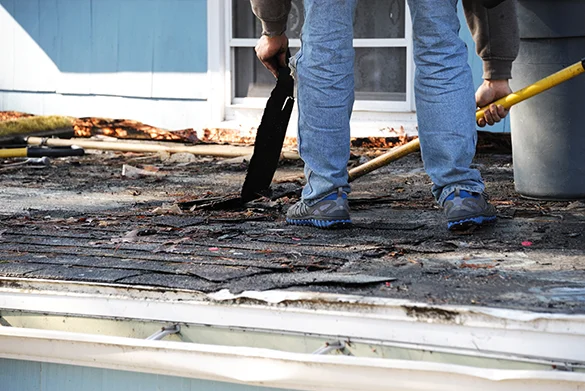
Winter: Ice, Snow, and Freeze-Thaw Cycles
Northern Virginia winters are unpredictable and challenging for roofing systems. While we may not receive the extreme snowfall of regions further north, our winter weather creates unique roofing problems that require attention.
Ice Dams
Ice dams form when heat escaping through an inadequately insulated attic melts snow on the upper portions of the roof. The meltwater flows downward until it reaches the colder eaves, where it refreezes into a ridge of ice. This ice dam blocks subsequent meltwater from draining off the roof, forcing it to back up under shingles and into the roof structure. The resulting water damage can affect ceilings, walls, insulation, and structural framing. Proper attic ventilation and insulation are the primary defenses against ice dams.
Freeze-Thaw Cycling
Northern Virginia experiences frequent temperature swings above and below freezing throughout winter. Water that enters small cracks and gaps during warmer periods expands when it freezes, widening those openings and creating new pathways for future water infiltration. This cycle is particularly destructive to flashing joints, mortar around chimneys, and aging sealant around roof penetrations. Each freeze-thaw cycle compounds the damage from previous cycles.
Snow Load
While significant snow accumulation is occasional in Northern Virginia, when it does occur, the weight of wet snow stresses roof structures. Wet snow can weigh 20 pounds or more per cubic foot, and drifting concentrates weight in specific areas. Older homes with marginal structural capacity and flat-roofed commercial buildings are most vulnerable to snow load damage. Understanding when to remove snow from your roof can prevent structural problems.
Winter Wind
Winter storms, including nor'easters and Alberta clippers, bring sustained high winds that test your roof's wind resistance. Shingles that have lost flexibility due to cold temperatures are more prone to cracking and lifting. Wind-driven rain and sleet penetrate gaps that might resist gentle summer showers. Loose or damaged flashing that survived summer storms may fail under sustained winter wind pressure.
Storm Damage Repair Costs in Northern Virginia
Prices shown are typical ranges for Northern Virginia as of 2026 and vary based on home size, material grade, site access, and current material costs. Contact us for a free on-site estimate.
Northern Virginia's Four-Season Assault on Your Roof
Northern Virginia's climate delivers a uniquely challenging combination of weather extremes that most other regions don't experience all in the same year. Summer heat indices regularly exceed 105°F from June through August, baking your shingles and accelerating granule loss. Winter brings freeze-thaw cycles that work their way into microscopic cracks in flashing and shingle surfaces, expanding the damage with each cycle between December and March. Spring and fall bring the region's most violent thunderstorms, with straight-line winds and hail that can shred a 20-year-old roof in minutes.
The Dulles corridor — running from Reston through Chantilly and Centreville to Leesburg — sits in a particularly active severe weather zone. NOAA data shows that this area receives an average of 12 to 15 severe thunderstorm warnings per year, with several producing damaging hail. Homes along Route 28 and the Dulles Toll Road corridor are especially exposed because the relatively flat terrain along the old runway approaches allows storm cells to maintain full strength as they cross this area. After major storm events, our phone lines at Reston Roofing light up with calls from Ashburn, Chantilly, and Sterling homeowners who've found shingle debris in their yards.
Humidity is the silent roof killer in Northern Virginia. From May through September, relative humidity levels in the Reston, Herndon, and Great Falls areas regularly exceed 80 percent. This persistent moisture environment accelerates the growth of black algae (Gloeocapsa magma) on north-facing roof slopes — those dark streaks you see on older roofs throughout the Fairfax and Loudoun County suburbs. While algae staining is primarily cosmetic, the moisture it traps against your shingle surface accelerates deterioration and can void certain manufacturer warranties if left untreated.
Ice dams deserve special attention in Northern Virginia. While the region doesn't get the heavy, sustained snowfall of the Northeast, the wet, heavy snow events common in January and February — followed by rapid temperature swings — create ideal ice dam conditions. Homes with poor attic insulation in neighborhoods like Herndon's Kings Park West and Reston's Shadowood develop ice dams along the eaves when heat escaping through the attic melts snow on the upper roof, which refreezes as it reaches the colder eave overhang. This ice backup forces water under your shingles and into your home. The fix is twofold: proper attic insulation (R-49 or higher per current Virginia energy code) and adequate ventilation to keep the attic temperature close to the outdoor temperature.
Humidity and Moisture: The Hidden Threat
Northern Virginia's humidity, which averages above 70 percent during summer months, creates persistent moisture-related challenges that many homeowners overlook. Unlike sudden storm damage, humidity damage develops gradually and can be extensive before becoming visible.
Algae and Moss Growth: Warm, humid conditions promote algae growth on shingles, especially on north-facing and shaded roof sections. Blue-green algae (Gloeocapsa magma) causes the dark streaks commonly seen on roofs throughout Northern Virginia. While primarily cosmetic at first, algae traps moisture that accelerates shingle deterioration. Moss growth is more destructive, as moss roots penetrate beneath shingle edges and lift them, allowing water infiltration.
Attic Condensation: When humid air infiltrates a poorly ventilated attic, it condenses on cooler surfaces including the underside of roof decking. This condensation promotes mold growth, deteriorates wood sheathing, and reduces insulation effectiveness. Over time, attic condensation can cause wood rot that compromises structural integrity. Addressing roof leaks and mold requires both fixing the moisture source and improving ventilation.
Fascia and Soffit Deterioration: Persistent humidity accelerates the deterioration of wood fascia boards and soffit panels. Rotting fascia can no longer properly support gutters, leading to drainage failures that compound roof damage. Regular inspection of these components catches deterioration before it affects your roof system.
Prevention Strategies for Northern Virginia Homeowners
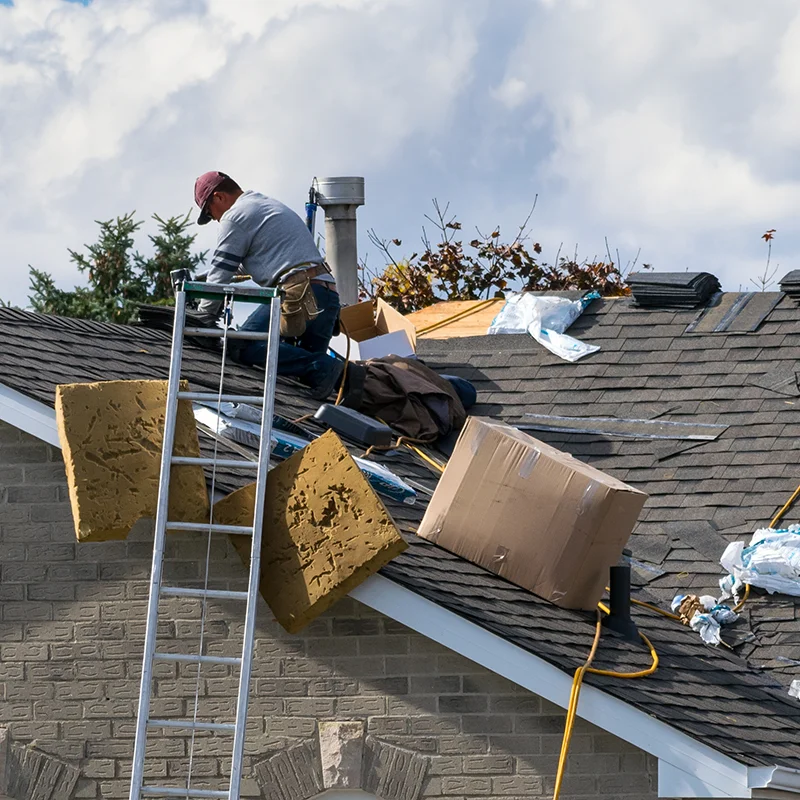
Understanding weather threats is only valuable when paired with effective prevention strategies. These proactive measures protect your roof and minimize weather-related damage throughout the year:
Schedule Annual Professional Inspections
A professional roof inspection identifies developing problems before they cause damage. Schedule inspections in early fall to prepare for winter and in spring to assess any winter damage. Professional inspectors examine areas you cannot safely access and identify issues invisible from ground level.
Maintain Gutters and Drainage
Clean gutters at least twice per year, in late spring and late fall. Ensure downspouts direct water at least four feet away from your foundation. Consider gutter guards to reduce debris accumulation, especially if your home is surrounded by mature trees.
Ensure Proper Attic Ventilation and Insulation
Adequate attic ventilation reduces heat buildup in summer and prevents ice dam formation in winter. Proper insulation maintains consistent attic temperatures and reduces the energy loss that contributes to ice dams. The combination of ventilation and insulation is your roof's primary defense against temperature-related damage throughout the year.
Trim Trees and Remove Overhanging Branches
Maintain a minimum clearance of six to ten feet between tree branches and your roof surface. This reduces debris accumulation, minimizes shade that promotes moss growth, and eliminates the risk of branch impact during storms.
Choose Weather-Appropriate Materials
When replacing your roof, select materials rated for Northern Virginia's climate conditions. Architectural shingles with impact resistance and high wind ratings outperform standard three-tab shingles in our weather. Metal roofing provides superior resistance to wind, hail, and UV degradation for homeowners seeking maximum durability.
Frequently Asked Questions
What type of weather causes the most roof damage in Northern Virginia?
Severe thunderstorms cause the most acute roof damage through high winds, hail, and heavy rainfall. However, the cumulative effects of UV radiation, freeze-thaw cycles, and humidity throughout the year often cause more total damage over time by gradually degrading roofing materials and shortening roof lifespan.
How often should I inspect my roof after storms in Northern Virginia?
Visually inspect your roof from the ground after every significant storm. Schedule a professional inspection at least once per year, ideally in fall, and after any storm that produces winds above 50 mph or visible hail. Contact a trusted roofing contractor for professional assessments.
Can Northern Virginia ice dams damage my roof?
Yes, ice dams are a real concern during winter months. When snow melts on warmer upper roof sections and refreezes at the colder eaves, ice dams form that block drainage. Trapped water seeps under shingles, damaging underlayment, decking, and interior ceilings. Proper attic insulation and ventilation are the best prevention.
Does humidity in Northern Virginia affect my roof?
Northern Virginia's high summer humidity promotes algae and moss growth on shingles, trapping moisture and accelerating deterioration. Humidity also contributes to attic condensation, leading to mold growth and wood rot. Proper ventilation and algae-resistant shingles help combat these issues.
What roofing materials best withstand Northern Virginia weather?
Architectural shingles with Class 4 impact resistance and 130-plus mph wind ratings offer excellent protection. Metal roofing provides superior wind and hail resistance with 40 to 70 year lifespans. For commercial properties, TPO and EPDM membranes handle temperature extremes and UV exposure effectively.
Protect Your Roof from Northern Virginia Weather
Your roof is your home's first line of defense against every weather event Northern Virginia delivers. Understanding the specific threats each season brings empowers you to take proactive steps that prevent costly damage and extend your roof's useful life by years.
Reston Roofing has protected homes throughout Reston, Herndon, Vienna, Fairfax, Oakton, Sterling, and all of Northern Virginia for over 15 years. Our team understands local weather patterns because we live here too, and we design every repair and installation to withstand the specific challenges our climate presents.
Call us today at (571) 453-6515 or schedule a consultation online. Let us inspect your roof and ensure it is prepared for whatever weather comes next.