How to Prepare Your Roof for Winter in Northern Virginia
Winter in Northern Virginia brings freezing temperatures, ice storms, heavy snow, and relentless wind that test every component of your roofing system. Preparing your roof before cold weather arrives is one of the smartest investments you can make as a homeowner. A well-maintained roof withstands winter's challenges and keeps your family warm, dry, and safe. This guide walks you through every step of fall roof preparation, from inspections and repairs to insulation upgrades and gutter cleaning.
Why Winter Preparation Is Critical in Northern Virginia
Northern Virginia experiences a unique winter climate that creates exceptional stress on residential roofing systems. Unlike regions with consistently cold winters, our area sees frequent temperature swings above and below freezing. These fluctuations cause roofing materials to expand and contract repeatedly, weakening adhesives, cracking sealants, and loosening fasteners over time.
The region typically sees 15 to 25 inches of snowfall per season, with occasional heavy storms capable of dumping over a foot of snow in a single event. Combined with ice storms, freezing rain, and sustained winds, these conditions expose every weakness in your roof. Problems that seem minor in mild weather, such as a small flashing gap or a few lifted shingles, become major issues when winter storms arrive. Proactive preparation with a Reston roofing professional prevents expensive emergency repairs during the worst months.
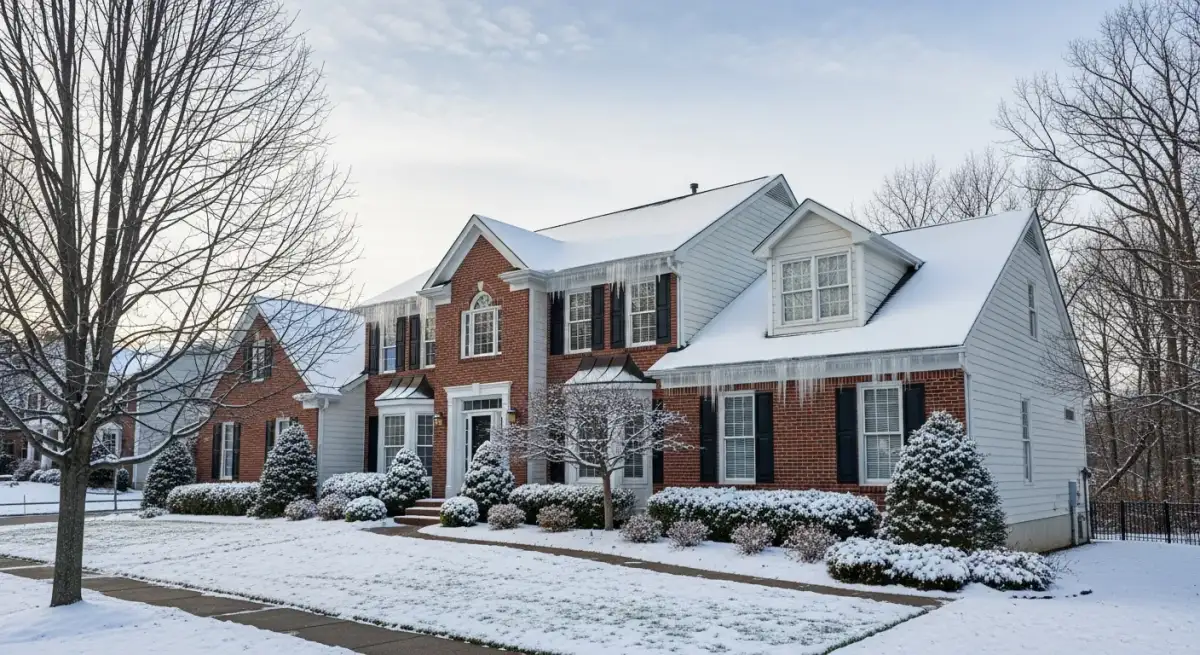
Step 1: Schedule a Professional Fall Roof Inspection
The foundation of winter roof preparation is a thorough professional inspection. Schedule this for September or early October to allow time for any repairs before cold weather sets in.
What Inspectors Look For
A qualified roofing professional examines every aspect of your roofing system during a fall inspection. They check shingle condition, looking for cracks, curling, missing pieces, and granule loss that indicate wear. Flashing around chimneys, vents, skylights, and wall junctions is inspected for separation, corrosion, or damage. Pipe boots and other penetration seals are tested for flexibility and integrity. The overall structure is assessed for sagging, soft spots, or signs of water damage.
Experienced inspectors also evaluate your roof from inside the attic, checking insulation levels, ventilation effectiveness, and signs of moisture intrusion. This comprehensive approach identifies both immediate repair needs and potential vulnerabilities that could cause problems during winter. Request a detailed report from your trusted roofing contractor to guide your preparation priorities.
Addressing Inspection Findings
Prioritize repairs based on severity and weather risk. Critical items like missing shingles, damaged flashing, and active leaks should be repaired immediately. Secondary concerns like minor granule loss or cosmetic issues can be monitored and addressed in spring. Your inspector should clearly communicate which findings require urgent attention and which can wait.
Step 2: Complete Essential Repairs Before Winter
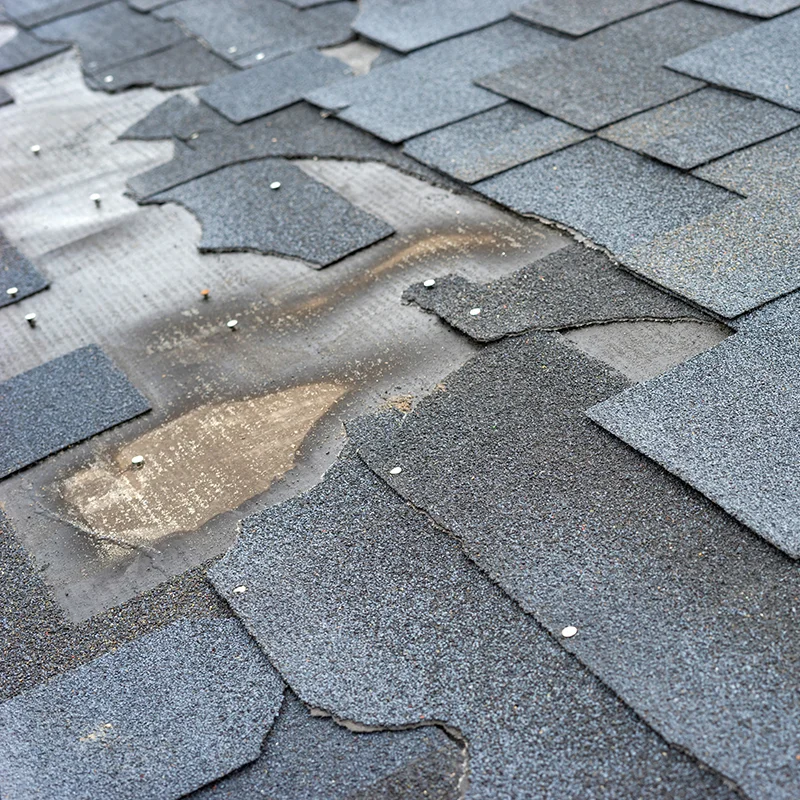
Any damage identified during inspection needs professional attention before the first freeze. Common pre-winter repairs include:
- Shingle replacement - Replace missing, cracked, or severely worn shingles to maintain waterproof coverage
- Flashing repair - Reseal or replace compromised flashing at all roof penetrations and transitions
- Pipe boot replacement - Cracked rubber boots around plumbing vents are a leading cause of winter leaks
- Ridge cap repair - Ensure ridge cap shingles are secure and properly sealed along all ridgelines
- Valley restoration - Repair or replace deteriorated valley flashing where two roof planes meet
- Fascia and soffit repair - Fix damaged wood before moisture can penetrate during winter
Completing repairs in early fall means your roof faces winter at full strength. Attempting repairs during freezing weather is more expensive, less effective, and potentially dangerous. Professional roof repair in Northern Virginia should be scheduled well before the first frost.
Step 3: Clean and Inspect Your Gutters
Gutter maintenance is one of the most important and most overlooked aspects of winter roof preparation. Clogged gutters cause water to back up under roof edges, creating conditions perfect for ice dam formation and fascia board rot.
Complete Gutter Cleaning
Remove all leaves, twigs, seed pods, and debris from gutters and downspouts. Reston's abundant tree coverage means gutters accumulate debris quickly, especially during fall leaf drop. Flush gutters and downspouts with water to ensure unobstructed flow from end to end. Check that water exits downspouts at least four feet from your foundation.
Inspect Gutter Condition
While cleaning, examine gutters for damage, corrosion, loose fasteners, and improper slope. Gutters should slope slightly toward downspouts for proper drainage. Reattach any loose sections and replace damaged gutter hangers. Seal leaking joints with appropriate gutter sealant. Properly functioning gutters prevent water from accumulating at your roof's edges where ice dams form. Our gutter repair and cleaning services ensure your drainage system is winter-ready.
Consider Gutter Guards
If your gutters clog frequently due to nearby trees, gutter guards can significantly reduce maintenance needs and improve winter performance. Several types are available, from mesh screens to solid covers with surface tension designs. A roofing professional can recommend the best option for your home's specific conditions and tree coverage.
Winter Roof Preparation Costs in Northern Virginia
Prices shown are typical ranges for Northern Virginia as of 2026 and vary based on home size, material grade, site access, and current material costs. Contact us for a free on-site estimate.
Northern Virginia Winter Weather and Your Roof
Northern Virginia's winter is deceptively harsh on roofing systems. Unlike regions that get consistently cold temperatures and dry, powdery snow, the Reston and greater NOVA area experiences a uniquely damaging combination: frequent freeze-thaw cycles, wet heavy snow events, ice storms, and occasional rain-on-snow events that create the worst possible conditions for roof performance. Understanding these specific threats helps you prioritize your winterization tasks.
The freeze-thaw cycle is your roof's worst enemy between November and March. On a typical Reston winter day, temperatures might reach 45°F by 2 PM and drop below 25°F by midnight. Water that entered small cracks in your flashing, sealant, or shingle surfaces during the warm hours freezes and expands overnight, widening those cracks. Over a season with 30 to 40 freeze-thaw cycles — typical for the Herndon, Sterling, and Great Falls areas — minor defects become significant entry points for water. A $200 flashing reseal in October prevents a $2,000 interior water damage repair in February.
Ice dams form when heat escaping through your attic melts snow on the upper portions of your roof. The meltwater runs down to the colder eaves — where the roof extends past the heated interior — and refreezes, creating a dam that traps additional meltwater behind it. This trapped water backs up under your shingles and into your attic. Homes in Reston's older neighborhoods, particularly the Hunters Woods clusters and Lake Anne townhomes built in the 1970s, are especially susceptible because their original insulation levels (often R-19 or less in the attic) fall well below the current Virginia energy code requirement of R-49. Upgrading your attic insulation to R-49 or higher is the single most effective ice dam prevention measure — and it pays for itself through energy savings within three to five years.
Gutter performance during winter is critical. Clogged gutters trap water that freezes into solid ice blocks, adding hundreds of pounds of concentrated weight to your fascia boards and eave structure. This weight can pull gutters away from the fascia, bend hangers, and in severe cases crack the fascia board itself. Before the first freeze — typically late November in the Reston and Centreville areas — your gutters must be completely clear of leaves and debris, all downspouts must flow freely, and your gutter hangers should be checked for secure attachment at every bracket point.
Step 4: Prevent Ice Dams
Ice dams are one of the most destructive winter roofing problems in Northern Virginia. Understanding how they form and taking preventive action protects your home from water damage, structural issues, and costly repairs.
How Ice Dams Form: Heat escaping from your living spaces into the attic warms the roof deck. Snow on the heated portion melts and runs down toward the colder eaves, where it refreezes. This growing ice ridge traps subsequent meltwater, which backs up under shingles and penetrates into your home.
Improve Attic Insulation: Adequate attic insulation is the primary defense against ice dams. The Department of Energy recommends R-49 to R-60 for Northern Virginia homes. Many older Reston homes fall well below these standards. Adding blown-in insulation or batt insulation brings your home up to code and dramatically reduces heat loss through the roof. Learn more about attic insulation options for your home.
Seal Air Leaks: Even with good insulation, warm air can bypass it through gaps around light fixtures, plumbing penetrations, electrical wiring, and attic hatches. Sealing these air leaks with caulk, spray foam, or weatherstripping is essential for preventing heat transfer to the roof deck.
Ensure Proper Ventilation: A well-ventilated attic keeps the roof deck cold, preventing snowmelt. Soffit vents allow cold outside air to enter at the eaves, while ridge vents or roof vents let warm air escape at the peak. This continuous airflow maintains uniform roof temperatures and prevents ice dam conditions.
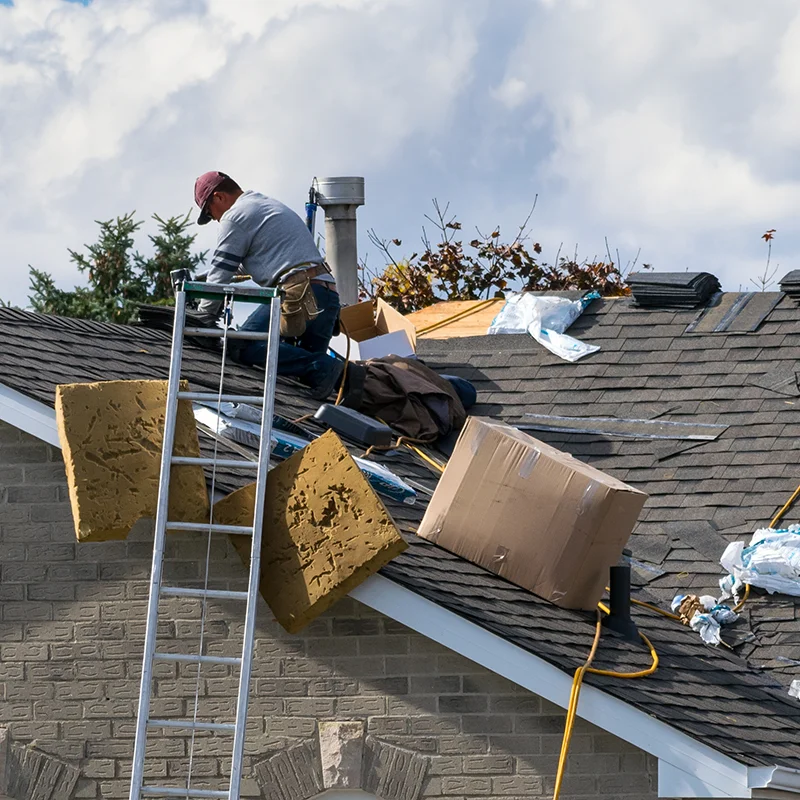
Step 5: Check and Upgrade Attic Ventilation
Proper attic ventilation works hand-in-hand with insulation to protect your roof during winter. Without adequate airflow, moisture from your living spaces condenses on cold surfaces in the attic, causing mold growth, wood rot, and insulation damage.
Types of Attic Ventilation
Effective attic ventilation uses a balanced system of intake and exhaust. Soffit vents along the eaves provide intake, bringing in cold outside air. Ridge vents, gable vents, or roof-mounted vents provide exhaust, allowing warm moist air to escape. The ideal ratio is one square foot of ventilation for every 150 square feet of attic floor space.
Common Ventilation Problems
Insulation blocking soffit vents is the most common ventilation problem in Reston homes. During insulation upgrades, baffles should be installed between rafters at the eaves to maintain clear airflow paths. Painted-shut gable vents, damaged ridge vent caps, and insufficient total vent area are other issues that compromise ventilation effectiveness. Understanding roof ventilation importance helps you maintain your system properly.
Step 6: Trim Trees and Remove Debris
Reston's beautiful tree canopy is one of the area's defining features, but overhanging branches pose significant winter risks to your roof. Heavy snow and ice accumulation on branches can cause them to break and fall onto your roof, potentially puncturing shingles, damaging flashing, or causing structural damage.
Trim all branches to maintain at least a six-foot clearance from your roof surface. Remove any dead or weakened trees that could fall during winter storms. Clear all leaves and debris from the roof surface, especially from valleys and areas around penetrations where accumulation retains moisture and promotes deterioration.
Step 7: Prepare for Winter Emergencies
Despite your best preparation efforts, winter storms can cause unexpected damage. Having a plan in place ensures quick response when problems occur.
Keep contractor contact information handy: Save your roofing contractor's phone number where you can find it quickly. Know whether they offer emergency services and their typical response time during winter months.
Document your roof's condition: Take photos of your roof after fall preparation is complete. These baseline images help document any storm damage for insurance claims and contractor assessments.
Stock emergency supplies: Keep a tarp, roofing cement, and a bucket available for temporary leak management until professional help arrives. Know how to safely place a tarp from inside the attic if needed. Read our guide on emergency roof leak repair for step-by-step instructions.
Frequently Asked Questions
How much does fall roof preparation cost?
Basic fall preparation including gutter cleaning and a professional inspection typically costs $200 to $500 for an average Reston home. If repairs are needed, costs depend on the scope of work. Most homeowners find that investing $300 to $1,000 in fall preparation saves several thousand dollars in potential winter emergency repairs.
Can I prepare my roof for winter myself?
Homeowners can safely clean gutters from a stable ladder, trim accessible tree branches, and check attic insulation levels. However, walking on the roof, making shingle repairs, and evaluating structural concerns should be left to professionals. Safety is paramount, and trained roofers have the equipment and experience to work safely at heights.
What is the most important thing I can do for my roof before winter?
If you can only do one thing, clean your gutters thoroughly. Clogged gutters contribute to ice dams, fascia damage, foundation problems, and landscape erosion. Proper gutter drainage is the single most impactful preventive measure for winter roofing performance.
Should I worry about snow on my roof?
Modern roofs in Northern Virginia are engineered to handle typical snow loads. Concern is warranted only if snow exceeds 12 inches, multiple storms accumulate without melting, or you notice ice dams forming. Using a roof rake from the ground to clear the first few feet above eaves helps prevent ice dam development. Read more about whether you should remove snow from your roof.
Is it too late to prepare my roof if winter has already started?
While fall is ideal for preparation, you can still take protective steps during winter. Gutter cleaning can be done during mild spells, and emergency repairs can be performed when necessary. However, some work like applying certain sealants or installing insulation may need to wait for warmer temperatures. The sooner you start, the better protected your home will be.
Get Your Roof Winter-Ready with Reston Roofing
Preparing your roof for winter is an investment that pays dividends in avoided damage, lower energy bills, and peace of mind during storms. Reston Roofing helps Northern Virginia homeowners through every step of the process, from thorough fall inspections to expert repairs and insulation upgrades.
Our experienced team understands the specific winter challenges that Northern Virginia roofs face and provides tailored solutions for every home. We've helped thousands of homeowners in Reston, Herndon, Vienna, Fairfax, and throughout the region protect their homes from winter weather damage.
Call us today at (571) 453-6515 or schedule a consultation online. Don't wait for the first freeze to find out your roof isn't ready for winter.