Roof Insurance Claims Guide for Fairfax County Homeowners
Filing a roof insurance claim can feel overwhelming, especially when you are already dealing with storm damage to your home. For Fairfax County homeowners, understanding the claims process from start to finish makes the difference between a smooth settlement and a frustrating denial. This comprehensive guide walks you through every step of the roof insurance claims process, from documenting damage to receiving your settlement check, so you can protect your home and your investment with confidence.
When to File a Roof Insurance Claim
Not every roofing issue warrants an insurance claim. Understanding which types of damage are covered helps you make informed decisions and avoid unnecessary premium increases. Homeowners insurance policies typically cover sudden and accidental damage caused by specific events, not gradual wear and tear.
Storm Damage: Severe thunderstorms are common in Fairfax County, particularly from May through September. High winds can tear shingles from the roof deck, while driving rain can exploit existing vulnerabilities. If a storm causes visible damage to your roof, you likely have grounds for a claim.
Hail Damage: Hail is one of the most common reasons for roof insurance claims in Northern Virginia. Even small hailstones can dent metal flashing, crack shingles, and dislodge protective granules. Hail damage is not always visible from the ground, which is why a professional roof inspection after a hailstorm is essential.
Wind Damage: Straight-line winds and occasional tornadic activity in Fairfax County can cause significant roof damage. Wind can lift shingle edges, break seals, and create entry points for water. Damage from winds exceeding 50 mph is almost always covered by standard homeowners policies.
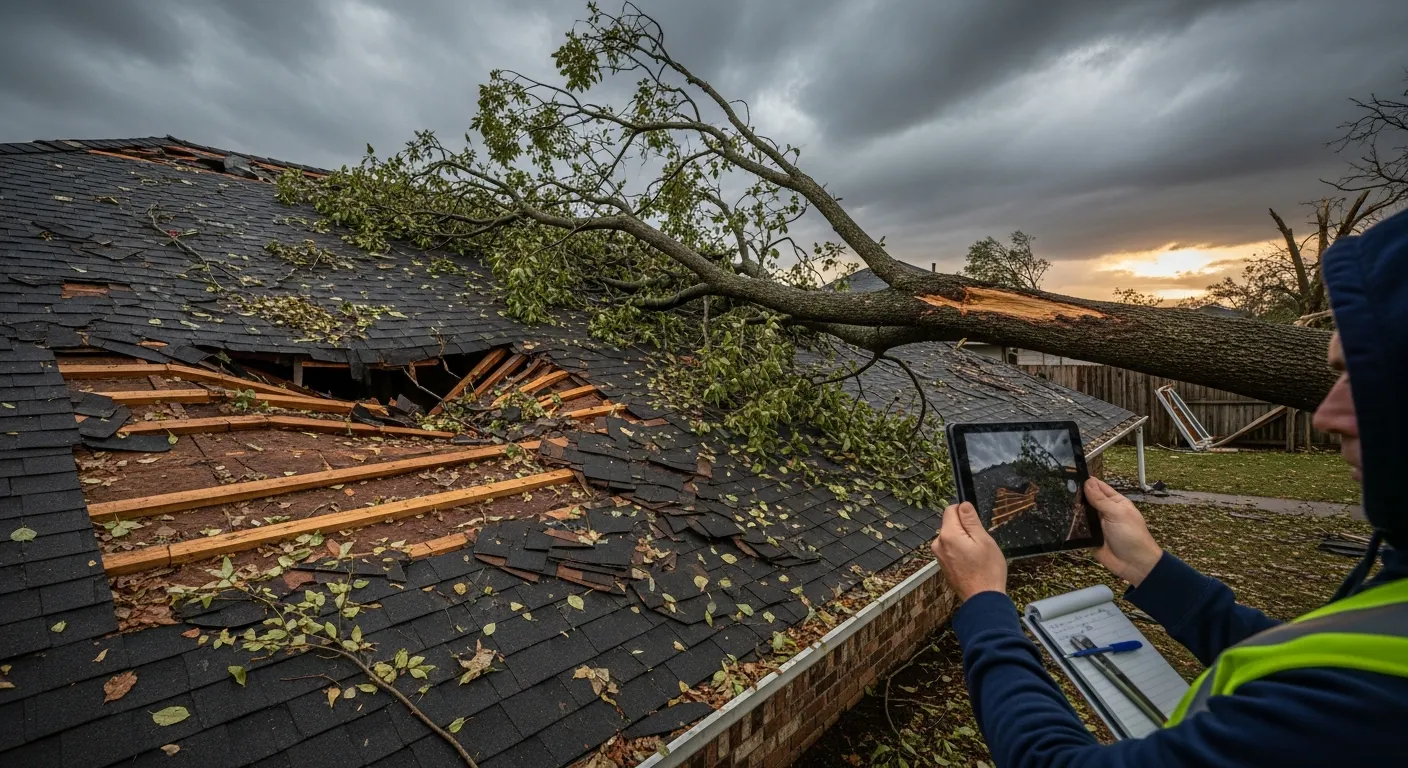
Fallen Trees and Debris: When a tree or large branch falls on your roof during a storm, the resulting damage is typically covered by your homeowners insurance. This includes both the cost of removing the tree and repairing or replacing the damaged roof sections. Contact your insurer immediately, as fallen tree damage often requires emergency tarping to prevent further water intrusion.
Documenting Roof Damage for Your Claim
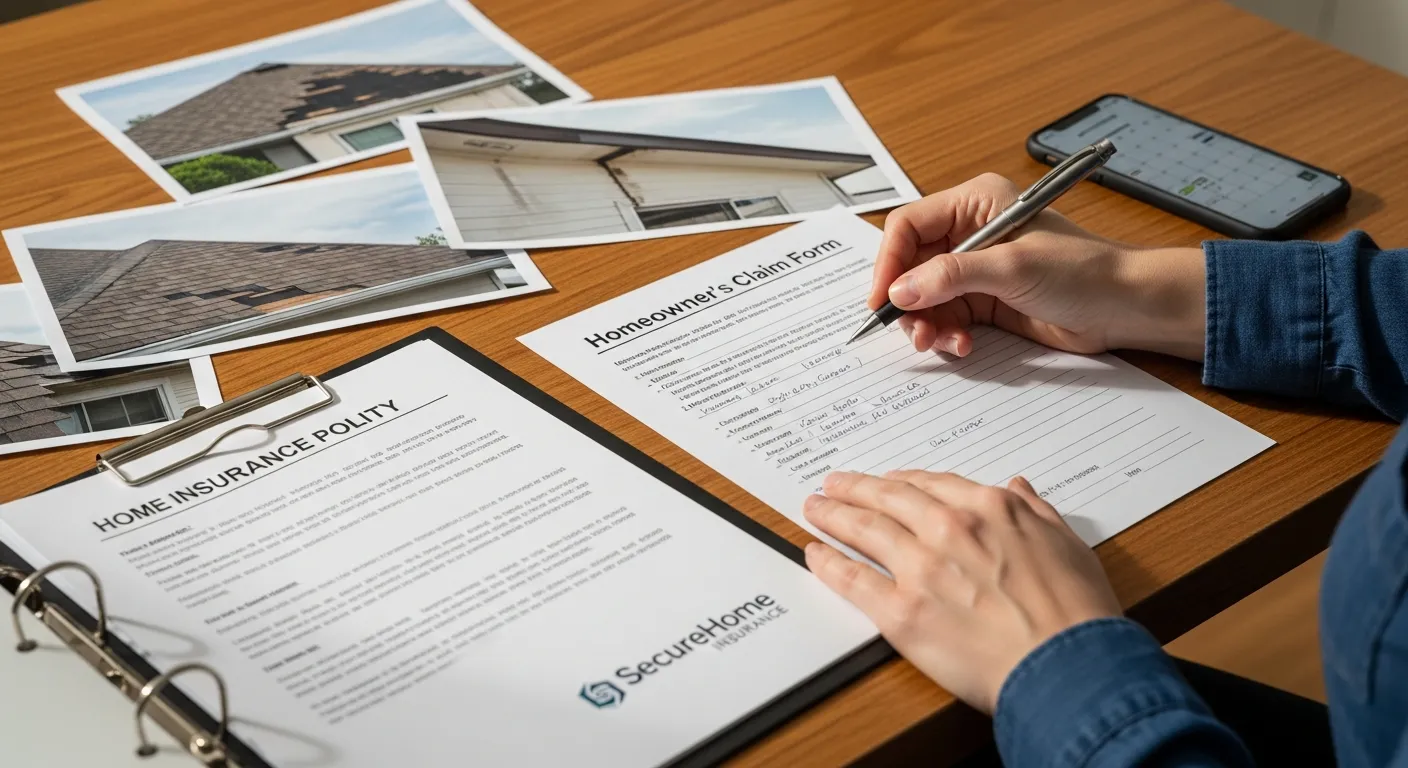
Thorough documentation is the foundation of a successful insurance claim. The evidence you gather immediately after discovering damage directly impacts how quickly and favorably your claim is resolved. Follow these critical documentation steps to build a strong case.
Photographs and Video
Take extensive photos and video of all visible damage from multiple angles. Capture wide shots showing the overall roof condition and close-ups of specific damage areas. Include photos of interior damage such as water stains on ceilings, wet insulation in the attic, and any water on floors. Date-stamped photos are especially valuable. If safe, use a drone or have a professional take aerial photos of the roof surface.
Written Notes and Records
Create detailed written notes describing the damage you observe, including the date and time the damage occurred, weather conditions during the event, and a chronological account of what happened. Save any weather alerts or storm warnings for your area. Keep receipts for any emergency repairs you make to prevent further damage, as these costs are typically reimbursable through your claim.
Professional Inspection Report
A professional inspection report from a licensed roofing contractor carries significant weight with insurance companies. Reston Roofing provides free storm damage inspections that include detailed documentation of all damage found, measurements of affected areas, photographs taken from the roof surface, and a written assessment of recommended repairs or replacement. This professional documentation supplements your own records and provides the technical detail that adjusters need to approve claims.
Contacting Your Insurance Company
Once you have documented the damage, contact your insurance company promptly. Most policies require notification within a specific timeframe, typically 24 to 72 hours after discovering damage. Here is how to handle the initial contact effectively:
- Call your agent or the claims hotline - Have your policy number ready and provide a clear description of the damage
- Request a claim number - Write it down and reference it in all future communications
- Ask about your coverage - Confirm what types of damage are covered and your deductible amount
- Inquire about temporary repair coverage - Most policies cover reasonable costs to prevent further damage
- Document the conversation - Note the date, time, representative's name, and what was discussed
- Request a timeline - Ask when an adjuster will be assigned and when you can expect their visit
Be honest and thorough in your description of the damage. Exaggerating or misrepresenting damage can result in claim denial and potential policy cancellation. Stick to the facts and let the documentation speak for itself.
The Adjuster Inspection Process
After you file your claim, the insurance company assigns an adjuster to inspect the damage and determine the scope and cost of repairs. Understanding this process helps you prepare and ensures nothing is overlooked during the inspection.
Scheduling the Adjuster Visit
The insurance company typically schedules an adjuster visit within 7 to 14 days of your claim filing. During peak storm seasons in Fairfax County, this timeline may extend to 3 to 4 weeks due to high claim volume. You have the right to be present during the inspection, and we strongly recommend it. Schedule the visit at a time when you can be home and available to point out damage areas.
Having Your Contractor Present
You have the right to have your roofing contractor present during the adjuster's inspection. This is one of the most valuable steps you can take. Your contractor can point out damage that an adjuster might miss, provide professional context about repair requirements, and ensure the full scope of damage is documented. Reston Roofing regularly meets with adjusters on behalf of our clients, and our expertise helps ensure accurate damage assessments.
What the Adjuster Evaluates
The adjuster examines the roof surface for damage, checks flashing and penetrations, inspects gutters and downspouts, looks for interior water damage, assesses the age and overall condition of the roof, and determines whether damage is storm-related or due to wear and tear. The adjuster then prepares an estimate using industry-standard software that calculates repair or replacement costs based on local labor rates and material prices.
Your Rights as a Policyholder in Virginia
Virginia law provides important protections for homeowners filing insurance claims. Understanding your rights empowers you to advocate for a fair settlement and ensures you receive the coverage you are paying for.
Right to Choose Your Contractor: Your insurance company cannot require you to use a specific contractor. You have the right to hire any licensed and insured roofing contractor to perform your repairs. While insurance companies may recommend preferred vendors, you are not obligated to use them.
Right to a Fair Settlement: Virginia insurance regulations require companies to process claims promptly and fairly. If you believe your claim was unfairly denied or undervalued, you can file a complaint with the Virginia Bureau of Insurance.
Right to a Second Opinion: If you disagree with the adjuster's assessment, you can hire a public adjuster or request a re-inspection. You can also invoke the appraisal clause in your policy, which brings in independent appraisers to resolve disputes.
Right to Supplemental Claims: If additional damage is discovered during repairs that was not identified in the original inspection, you can file a supplemental claim. This is common when hidden damage beneath shingles or in the roof decking is uncovered during the repair process. Your contractor documents the additional damage and submits it to the insurance company for approval.
Working with an experienced roofing insurance partner like Reston Roofing ensures your rights are protected throughout the claims process.

Working with Your Roofing Contractor During the Claim
Your roofing contractor plays a critical role in the success of your insurance claim. The right contractor does far more than just perform repairs. They serve as your advocate and technical expert throughout the entire claims process.
Free Storm Damage Inspection
Reston Roofing offers free storm damage inspections to Fairfax County homeowners. Our certified inspectors climb onto your roof and conduct a thorough assessment of all storm-related damage. We provide a detailed written report with photographs that you can submit to your insurance company alongside your claim. This professional inspection often identifies damage that homeowners cannot see from the ground, resulting in more comprehensive and accurate claims.
Estimate Preparation
We prepare detailed repair or replacement estimates using the same industry-standard software that insurance adjusters use. This creates an apples-to-apples comparison that facilitates faster claim processing. Our estimates include all necessary materials, labor, and additional costs such as debris removal, underlayment replacement, and code-required upgrades.
Adjuster Meeting Coordination
Our team coordinates directly with your insurance adjuster to schedule joint inspections. During these meetings, we walk the adjuster through every area of damage, provide technical explanations of repair requirements, and ensure nothing is overlooked. Our presence during the adjuster visit significantly increases the accuracy and completeness of the damage assessment.
Common Claim Denial Reasons and How to Avoid Them
Understanding why claims get denied helps you avoid common pitfalls and build a stronger case from the start. Here are the most frequent denial reasons and strategies to overcome them:
- Pre-existing damage or wear and tear - Insurance covers sudden damage, not gradual deterioration. Maintain your roof regularly and keep records of maintenance and inspections
- Late filing - Report damage promptly within your policy's required timeframe. Delayed claims raise suspicion about the cause of damage
- Insufficient documentation - Provide extensive photos, video, written notes, and professional inspection reports. More documentation is always better
- Policy exclusions - Review your policy carefully to understand what is and is not covered. Some policies exclude cosmetic damage or have specific wind and hail deductibles
- Maintenance neglect - Insurers may deny claims if they determine damage resulted from lack of maintenance. Regular roof maintenance protects your coverage
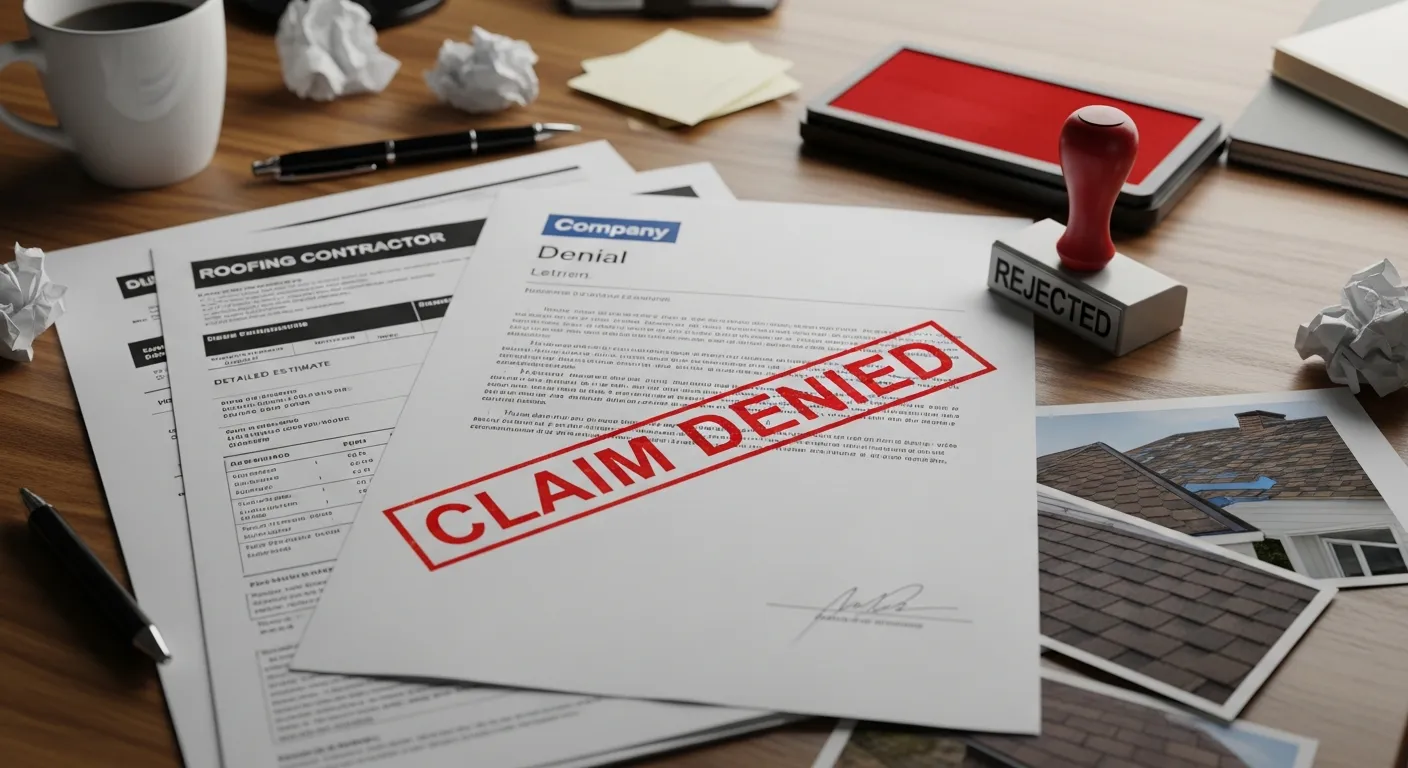
If your claim is denied, you have the right to appeal. Contact your contractor to review the denial letter and determine whether additional documentation or a re-inspection might reverse the decision. Many initially denied claims are ultimately approved after proper supplemental documentation is submitted.
Supplemental Claims: Getting Full Coverage
Supplemental claims are filed when additional damage is discovered after the initial adjuster inspection. This happens frequently in roofing because much of the damage is hidden beneath shingles, flashing, and other surface materials. During the repair process, your contractor may uncover rotted decking, damaged underlayment, compromised flashing, or structural issues that were not visible during the exterior inspection.
When supplemental damage is found, your contractor documents the additional damage with photos and descriptions, prepares a revised estimate that includes the additional repair costs, and submits the supplement to the insurance company for review. The insurer may send an adjuster for a re-inspection or approve the supplement based on the documentation provided. Reston Roofing handles the entire supplemental claims process for our clients, ensuring hidden damage is properly documented and covered.
Fairfax County Storm Patterns and Roof Damage
Fairfax County experiences a wide range of severe weather events throughout the year that can damage roofing systems. Understanding local storm patterns helps you prepare and respond quickly when damage occurs.
Spring and Summer Thunderstorms
From April through September, Fairfax County experiences frequent thunderstorms that bring damaging winds, heavy rain, hail, and occasional tornadoes. These storms are the primary cause of roof insurance claims in the region. The combination of high winds and large hail can devastate a roof in minutes, stripping granules from shingles, cracking tiles, and tearing off flashing.
Fall and Winter Weather
Fall brings strong wind events from remnant tropical systems and early nor'easters. Winter storms deliver snow and ice that create ice dams, add weight stress to the roof structure, and cause freeze-thaw damage to flashing and seals. While winter storm damage is less common than summer damage, it can be equally severe and is covered by most homeowners policies.
Fallen Trees
Fairfax County's dense tree canopy means fallen trees and branches are a significant source of roof damage during any season. Saturated soil, high winds, and ice accumulation can topple even healthy trees onto homes. Tree-related roof damage typically results in the largest individual claims and often requires emergency response to prevent further water damage.
Common Roof Repair Costs Covered by Insurance in Fairfax County
Prices shown are typical ranges for Northern Virginia as of 2026 and vary based on home size, material grade, site access, and current material costs. Contact us for a free on-site estimate.
Timeline Expectations: What to Expect
Understanding the typical claims timeline helps you plan and set realistic expectations. While every claim is different, most Fairfax County roof insurance claims follow this general timeline:
Day 1-3: Document damage, contact insurance company, file claim, and schedule a free inspection with Reston Roofing. Make temporary repairs as needed to prevent further damage.
Week 1-2: Insurance company assigns an adjuster who contacts you to schedule an inspection. Your roofing contractor prepares a detailed estimate for the repairs.
Week 2-4: Adjuster conducts the on-site inspection, often with your contractor present. The adjuster prepares their estimate and submits it for review.
Week 4-6: Insurance company reviews the adjuster's report and issues a settlement decision. If approved, you receive the initial payment minus your deductible.
Week 6-8: Repairs begin and are completed. If supplemental damage is discovered, additional documentation is submitted. Final payment is issued upon completion if your policy includes recoverable depreciation.
The total process typically takes 30 to 60 days from filing to completion, though complex claims or disputes may take longer. Working with an experienced contractor who understands the process helps keep your claim on track.

Choosing Between Repair and Replacement for Insurance
When your insurance claim is approved, the settlement is based on either repairing or replacing your roof. Understanding which option applies to your situation helps you work effectively with your insurer and contractor to achieve the best outcome.
When Insurance Covers Repair
Insurance covers repair when damage is localized and the rest of the roof is in good condition. This includes replacing damaged shingles in specific areas, repairing flashing around chimneys or vents, fixing isolated leaks, and addressing small sections of damaged decking. Repair claims are typically processed faster and involve lower costs, meaning quicker resolution for homeowners.
When Insurance Covers Replacement
Full roof replacement is covered when damage is widespread across the roof surface, when matching materials are no longer available, or when the cost of repairs would exceed the cost of replacement. Some policies include a matching clause that requires the entire roof to be replaced if damaged materials cannot be matched to the existing roof. This is particularly relevant for older roofs with discontinued shingle styles.
Actual Cash Value vs. Replacement Cost
Your policy type significantly affects your settlement. Replacement cost value policies pay the full cost to repair or replace your roof with equivalent materials. Actual cash value policies deduct depreciation based on the age and condition of your roof. If you have an RCV policy, you typically receive an initial payment minus depreciation, with the remaining depreciation paid after repairs are completed. Understanding your policy type before filing a claim helps you anticipate the financial outcome.
Frequently Asked Questions
Do I need to get multiple estimates for my insurance claim?
While your insurance company may suggest getting multiple estimates, you are not required to do so in Virginia. One detailed estimate from a reputable, licensed roofing contractor is typically sufficient. Reston Roofing provides comprehensive estimates using industry-standard software that insurance companies recognize and accept.
Will filing a roof insurance claim raise my premiums?
Filing a single weather-related claim usually does not significantly increase premiums, as storm damage is considered beyond your control. However, multiple claims within a short period may affect your rates or insurability. Discuss potential premium impacts with your agent before filing a claim for minor damage that might not exceed your deductible.
What if my insurance settlement is too low?
If the settlement does not cover the actual cost of proper repairs, you have several options. You can request a re-inspection with your contractor present, submit additional documentation and photos, file a supplemental claim for any missed damage, invoke the appraisal clause in your policy, or file a complaint with the Virginia Bureau of Insurance. Reston Roofing advocates on behalf of our clients to ensure fair settlements.
Can I keep the insurance money and not make repairs?
While you may receive an initial payment, most replacement cost policies withhold the recoverable depreciation until repairs are completed. Additionally, failing to repair documented damage may affect future claims and policy renewals. We strongly recommend using insurance proceeds for their intended purpose to maintain your roof's integrity and your coverage.
How does my deductible affect my roof claim?
Your deductible is the amount you pay out of pocket before insurance coverage begins. Standard homeowners deductibles in Fairfax County range from $500 to $2,500. Some policies have separate wind or hail deductibles that may be higher, often calculated as a percentage of your home's insured value. Review your policy to understand your deductible before filing a claim, as small repairs that barely exceed your deductible may not be worth filing.
Contact Reston Roofing for Your Free Storm Damage Inspection
Navigating the roof insurance claims process does not have to be stressful. Reston Roofing has helped hundreds of Fairfax County homeowners successfully file and settle roof insurance claims. Our team provides free storm damage inspections, detailed documentation, expert estimates, and hands-on support throughout the entire claims process.
Whether your roof was damaged by a recent storm, you suspect hidden hail damage, or a fallen tree has caused obvious destruction, we are here to help. Our experienced team works directly with your insurance company to ensure you receive the full settlement you deserve.
Call us today at (571) 453-6515 or schedule a consultation online. Let us provide a free storm damage inspection and guide you through every step of the insurance claims process.