Why Roof Ventilation Matters in Northern Virginia
Roof ventilation is one of the most overlooked yet critically important aspects of a healthy roofing system. For homeowners in Northern Virginia, where summers bring oppressive humidity and winters deliver freezing temperatures, proper attic ventilation plays a vital role in protecting your roof, controlling energy costs, and preventing costly moisture damage. Understanding how ventilation works and why it matters can save you thousands of dollars in premature roof replacements and energy waste. This comprehensive guide from Reston Roofing explains everything Northern Virginia homeowners need to know about roof ventilation systems, their benefits, and how to ensure your home has adequate airflow.
Understanding Roof Ventilation Basics
Roof ventilation is a system designed to allow continuous airflow through the attic space, moving hot and moist air out while drawing cooler, drier air in. Without proper ventilation, your attic becomes a trap for heat and moisture, two forces that systematically destroy roofing materials, structural components, and insulation from the inside out.
The principle behind effective ventilation is simple: hot air rises naturally. A well-designed system takes advantage of this by placing intake vents low on the roof (typically in the soffits) and exhaust vents high on the roof (at or near the ridge). As warm air exits through the top, it creates negative pressure that pulls fresh air in through the bottom, establishing a continuous cycle of air exchange. This natural convection process works 24 hours a day without any mechanical assistance, though some systems use powered fans to supplement airflow in particularly challenging situations. Homeowners throughout Reston and surrounding areas benefit greatly from properly designed ventilation systems.
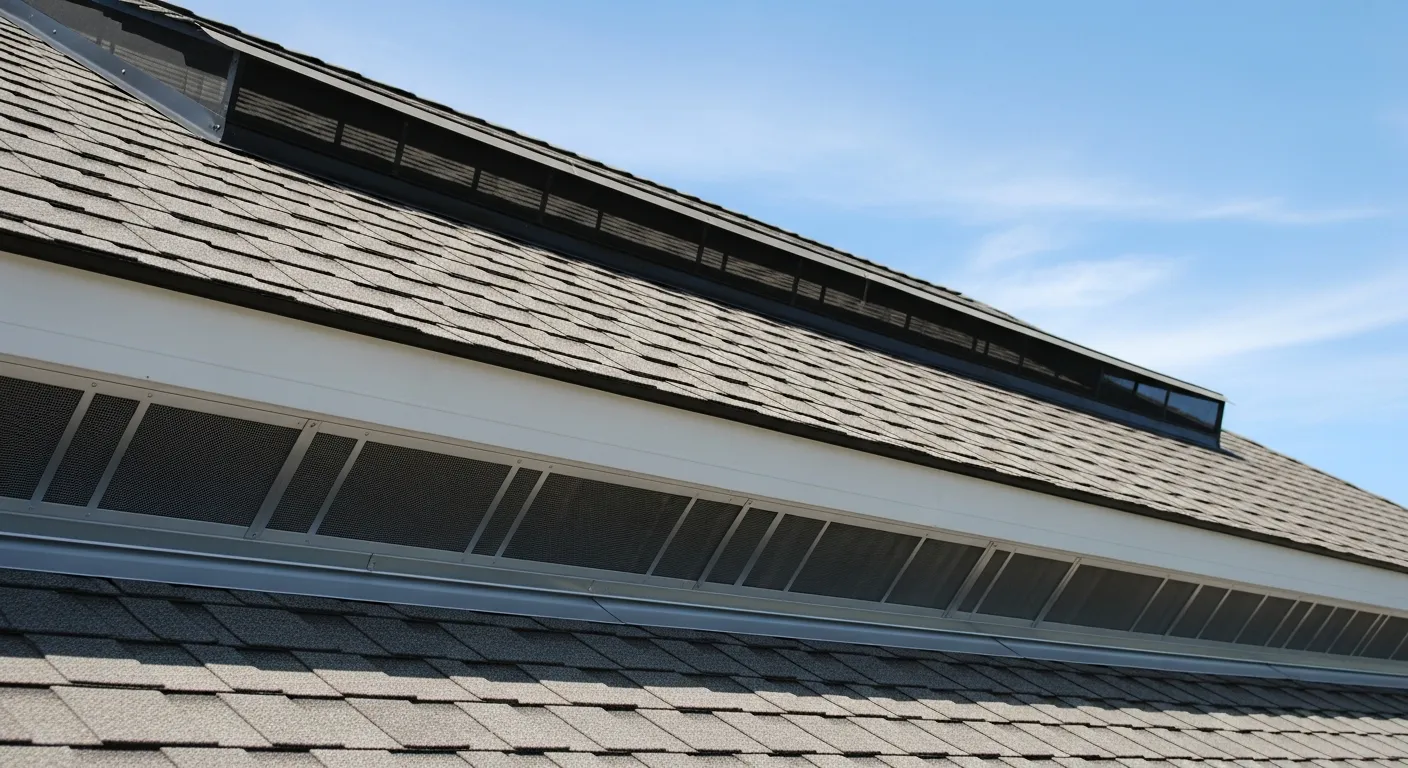
Ridge Vents vs. Soffit Vents: How They Work Together
The two most common and effective types of roof vents in Northern Virginia homes are ridge vents and soffit vents. Understanding each component helps you appreciate why both are necessary for a balanced ventilation system.
Ridge Vents
Ridge vents run along the entire peak of your roof, providing a continuous exhaust point for hot air escaping from the attic. Modern ridge vents feature external baffles that use wind to create additional suction, improving airflow even on calm days. They are virtually invisible from the ground, maintaining your home's curb appeal while providing superior ventilation compared to older alternatives like box vents or turbine vents. Ridge vents distribute exhaust evenly across the entire roofline, eliminating hot spots and dead zones that can occur with point-source exhaust vents.
Soffit Vents
Soffit vents are installed in the underside of your roof's overhang, serving as the primary intake point for fresh air entering the attic. They come in several configurations, including continuous strip vents, individual round or square vents, and perforated soffit panels. Continuous soffit vents provide the most uniform airflow distribution, while individual vents offer flexibility for retrofit installations. The key to effective soffit venting is ensuring insulation does not block the openings, as blocked soffits are one of the most common causes of ventilation failure in Northern Virginia homes.
Balanced Ventilation Systems
The most effective ventilation strategy combines both ridge vents and soffit vents in a balanced system. Balance means the net free area of intake vents roughly equals the net free area of exhaust vents. When intake and exhaust are balanced, air moves efficiently through the entire attic space. An imbalanced system, where exhaust capacity exceeds intake capacity, can actually pull conditioned air from your living space through ceiling penetrations, increasing energy costs rather than reducing them. Reston Roofing carefully calculates the proper ratio for each home we service, ensuring optimal performance for your specific roof design.
Moisture Control in Humid Northern Virginia Summers
Northern Virginia summers are notorious for their humidity. Average relative humidity in the Reston area frequently exceeds 70% during July and August, and daily activities inside your home, including cooking, showering, and even breathing, add moisture to indoor air. Without proper ventilation, this moisture migrates into the attic through ceiling penetrations, vapor diffusion, and convective air currents.
Once trapped in the attic, moisture condenses on cooler surfaces like roof sheathing, rafters, and metal fasteners. Over time, this condensation leads to wood rot, rusted fasteners, delaminating plywood, and mold growth that can spread throughout your home's structure. Mold remediation alone can cost thousands of dollars, and structural damage from prolonged moisture exposure may require extensive roof repair or even complete replacement of decking and framing members.
Proper ventilation continuously removes moisture-laden air before condensation occurs. By maintaining airflow across the underside of the roof deck, ventilation keeps surfaces dry and prevents the conditions that foster mold growth and wood decay. This is especially critical in Northern Virginia, where the combination of high outdoor humidity and air-conditioned interior spaces creates significant temperature differentials that drive moisture movement into attic spaces.
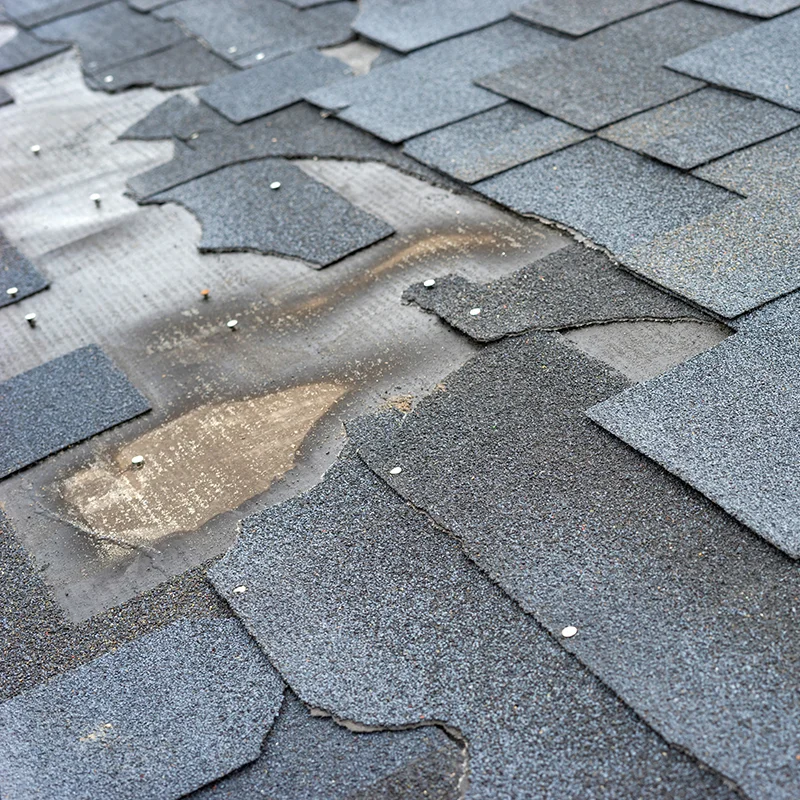
Energy Savings: 10-15% Reduction on Cooling Costs
One of the most compelling reasons to invest in proper roof ventilation is the significant impact on energy costs. During Northern Virginia summers, attic temperatures in poorly ventilated homes can reach 150 degrees Fahrenheit or higher. This superheated air radiates through the ceiling insulation into your living spaces, forcing your air conditioning system to work harder and longer to maintain comfortable temperatures.
Studies consistently show that proper attic ventilation reduces cooling costs by 10-15% in climates similar to Northern Virginia. By exhausting hot air from the attic and replacing it with cooler outside air, ventilation reduces the temperature differential between your attic and living space. Your insulation works more effectively when it does not have to resist extreme heat from above, and your HVAC system runs fewer cycles to maintain your thermostat setting.
For a typical Reston home spending $200-$300 per month on summer cooling, proper ventilation can save $20-$45 monthly during peak cooling season. Over the life of your roof, these savings add up to thousands of dollars, often exceeding the cost of ventilation improvements many times over. Combined with proper attic insulation, ventilation creates an energy-efficient barrier that keeps your home comfortable year-round.
Ice Dam Prevention in Northern Virginia Winters
While Northern Virginia winters are generally milder than those farther north, the region still experiences snowfall, freezing temperatures, and the freeze-thaw cycles that create ice dams. Ice dams form when heat escaping through a poorly ventilated roof melts snow on the upper sections. The meltwater flows down to the colder eaves, where it refreezes, creating a dam of ice that traps additional water behind it.
This trapped water backs up under shingles, penetrating the roof's waterproofing barriers and leaking into the home. Ice dam damage often affects ceilings, walls, insulation, and even electrical systems. Repairs can be extensive and expensive, particularly when damage goes undetected until spring thaw reveals water stains and mold growth.
Proper ventilation prevents ice dams by keeping the roof deck temperature uniform and close to the outdoor temperature. When the attic is well-ventilated, heat from the living space below does not warm the roof deck enough to melt snow unevenly. Snow melts naturally from the surface down as outdoor temperatures rise, rather than from the bottom up due to escaping heat. Combined with adequate insulation to prevent heat transfer, ventilation is the most effective ice dam prevention strategy available. Learn more about protecting your roof during winter in our guide to snow removal from roofs.
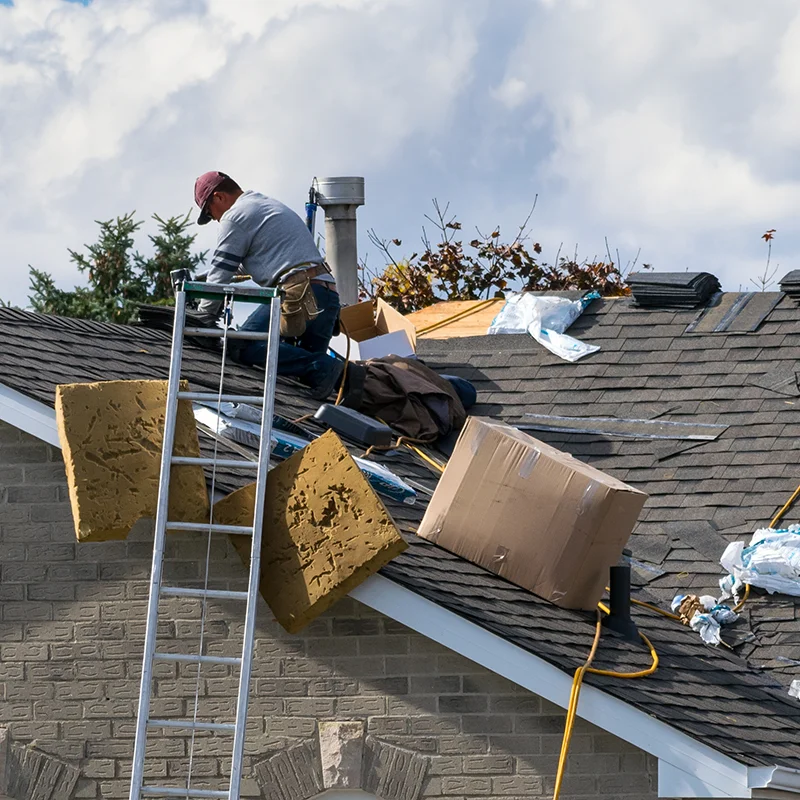
Signs of Poor Roof Ventilation
Recognizing the warning signs of inadequate ventilation allows you to address problems before they cause serious damage. Watch for these indicators that your Northern Virginia home may have ventilation issues:
Curling or Buckling Shingles
Excessive attic heat accelerates shingle aging, causing them to curl at the edges, buckle, or lose granules prematurely. If your shingles appear wavy, distorted, or are aging faster than expected for their material type, poor ventilation may be cooking them from below. Shingles exposed to extreme attic heat can lose years of useful life, leading to premature roof replacement.
Mold and Mildew Growth
Visible mold on attic surfaces, musty odors when entering the attic, or mold growth on ceiling surfaces near the roofline all indicate moisture problems likely related to ventilation deficiency. Mold requires moisture to grow, and a well-ventilated attic stays dry enough to prevent fungal colonization.
Unusually High Energy Bills
If your cooling costs seem higher than they should be for your home's size and insulation level, poor ventilation may be the culprit. Compare your bills to previous years and to neighbors with similar homes. A significant discrepancy often points to attic ventilation problems that force your HVAC system to work overtime.
Hot Ceilings and Upper Floors
Touch your ceiling on a hot summer day. If it feels noticeably warm, heat is radiating down from an overheated attic. Upper floors that are consistently harder to cool than lower floors often indicate ventilation problems rather than HVAC capacity issues.
Rust and Deterioration in the Attic
Check metal components in your attic, including nail heads, straps, connectors, and HVAC equipment. Rust on these surfaces indicates chronic moisture exposure from inadequate ventilation. Rusted fasteners compromise structural integrity and signal conditions favorable for wood rot.
Fairfax County Ventilation Code Requirements
Fairfax County enforces the Virginia Residential Code for all residential construction and renovation, including specific requirements for attic ventilation. Understanding these requirements ensures your home remains compliant and protects your investment.
The code requires a minimum ventilation ratio of 1:150, meaning one square foot of net free ventilation area for every 150 square feet of attic floor space. This ratio can be reduced to 1:300 when either a Class I or II vapor barrier is installed on the warm side of the ceiling, or when balanced ventilation is provided with 50-60% of the required area dedicated to intake vents in the upper portion of the attic and the remainder as exhaust vents near the ridge.
For new construction and major renovation projects, building inspectors verify ventilation compliance before issuing occupancy permits. Even for existing homes not undergoing renovation, meeting or exceeding code requirements protects your roof system and ensures optimal performance. Reston Roofing is thoroughly familiar with Fairfax County building codes and ensures every ventilation project we complete meets all applicable standards.
Additionally, many roofing material warranties require adequate ventilation as a condition of coverage. Failing to maintain proper ventilation can void your manufacturer warranty, leaving you responsible for the full cost of premature roof failure.
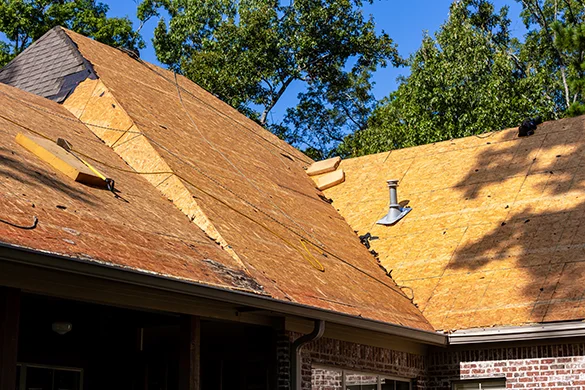
Other Ventilation Options for Northern Virginia Homes
While ridge and soffit vents represent the gold standard for residential ventilation, several other options exist for homes where these solutions are not feasible or where supplemental ventilation is needed:
Gable Vents
Installed in the triangular wall sections at each end of the roof, gable vents provide cross-ventilation driven by wind. They work well as supplemental ventilation but may not provide adequate coverage for complex roof designs or homes with finished attic spaces that block airflow paths.
Powered Attic Ventilators
Electric or solar-powered fans mounted on the roof or gable walls actively exhaust hot air from the attic. While effective at reducing attic temperatures, they must be properly sized and paired with adequate intake ventilation. Improperly installed powered ventilators can create negative pressure that draws conditioned air from the living space, potentially increasing energy costs.
Box Vents and Turbine Vents
These point-source exhaust vents are installed through the roof deck. Box vents rely on natural convection, while turbine vents use wind to spin a fan that actively pulls air out. Both require multiple units to provide adequate coverage and may be suitable for roofs where ridge vents cannot be installed.
Roof Ventilation Costs in Northern Virginia
Prices shown are typical ranges for Northern Virginia as of 2026 and vary based on home size, material grade, site access, and current material costs. Contact us for a free on-site estimate.
How Reston Roofing Assesses and Improves Ventilation
Our approach to ventilation assessment is thorough and systematic, ensuring we identify every issue affecting your attic's airflow and recommend solutions tailored to your home's specific design and needs.
- Comprehensive Attic Inspection: We examine the entire attic space, checking for blocked vents, inadequate insulation baffles, moisture signs, and heat damage indicators
- Ventilation Calculation: We measure your attic floor area and calculate the required net free ventilation area according to code, then compare it to your existing ventilation capacity
- Airflow Assessment: We check for obstructions, short-circuiting between intake and exhaust vents, and dead zones where air stagnates
- Moisture Testing: Using moisture meters, we identify areas of elevated moisture content in sheathing and framing that indicate ventilation deficiencies
- Recommendation Report: You receive a detailed report with findings, photographs, and specific recommendations for improvements, including cost estimates for each option
Our improvement solutions range from simple fixes like clearing blocked soffit vents and installing insulation baffles to comprehensive upgrades including new ridge vent installation, soffit vent retrofits, and powered ventilation systems. Every solution is designed for your home's specific architecture and Northern Virginia's climate demands. We also coordinate ventilation improvements with other roofing services like roof life extension strategies for maximum benefit.
Frequently Asked Questions
How do I know if my roof has poor ventilation?
Look for curling or buckling shingles, excessive attic heat in summer, ice dams in winter, mold or mildew in the attic, peeling exterior paint near the roofline, and higher-than-expected energy bills. A professional assessment from Reston Roofing provides definitive answers about your ventilation system's effectiveness.
What is the difference between ridge vents and soffit vents?
Ridge vents run along the roof peak and serve as exhaust outlets for hot air leaving the attic. Soffit vents are located in the eaves underneath the roof overhang and serve as intake points for cool fresh air. Together, they create a balanced system that promotes continuous natural airflow through the attic space.
How much can proper roof ventilation save on energy bills?
Homeowners in Northern Virginia typically see 10-15% reduction in cooling costs with properly ventilated attics. For an average home spending $200-$300 monthly on summer cooling, that translates to $20-$45 per month in savings during peak season, with additional savings during the heating season from reduced moisture damage to insulation.
Does Fairfax County have specific roof ventilation requirements?
Yes, Fairfax County follows the Virginia Residential Code requiring a minimum 1:150 ventilation ratio, reducible to 1:300 with a vapor barrier or balanced ventilation system. All new construction and major renovations must meet these standards, and maintaining compliance protects both your warranty coverage and your roof's longevity.
Can roof ventilation prevent ice dams in Northern Virginia winters?
Absolutely. Proper ventilation keeps the roof deck temperature uniform, preventing the uneven snowmelt that causes ice dams. When combined with adequate attic insulation, a well-ventilated roof virtually eliminates ice dam formation even during Northern Virginia's occasional heavy snowfalls.
Contact Reston Roofing for a Ventilation Assessment
Do not wait for signs of ventilation failure to appear. Whether you have noticed warning signs like curling shingles and high energy bills, or you simply want peace of mind about your attic's airflow, Reston Roofing provides thorough ventilation assessments and effective improvement solutions for homes throughout Northern Virginia.
Our experienced team understands the unique climate challenges facing homeowners in Reston, Herndon, Vienna, Fairfax, Oakton, Sterling, McLean, and surrounding communities. We deliver honest assessments, quality workmanship, and lasting results that protect your roof and reduce your energy costs.
Call us today at (571) 453-6515 or schedule a consultation online. Let Reston Roofing help you achieve the balanced, efficient ventilation your home deserves.