Roofing and Repairs 101: The Complete Guide for Northern Virginia Homeowners
Your roof does more than keep out rain. It protects your home's structure, shields insulation from moisture, maintains indoor air quality, and sets the look of your property from the street. A little knowledge goes a long way when it comes to avoiding leaks, extending service life, and making smart repair-versus-replace decisions that save thousands of dollars over the life of your home.
Northern Virginia's climate tests roofing systems harder than most homeowners realize. The Washington DC metro area sits in a zone where summer temperatures routinely exceed 95 degrees with suffocating humidity, winter brings 40 to 60 freeze-thaw cycles that crack and split materials, and fast-moving thunderstorms deliver intense rain and wind that push every component to its limits. Homes across Reston, Herndon, Fairfax, Sterling, and the broader NOVA region face these conditions year after year, and the roofs that perform best are the ones that receive regular attention and timely repairs.
This guide covers everything a Northern Virginia homeowner needs to know about roof care, from recognizing early damage signs to understanding repair costs, seasonal maintenance schedules, and the critical decision of when to repair versus replace.
Know What Is Over Your Head
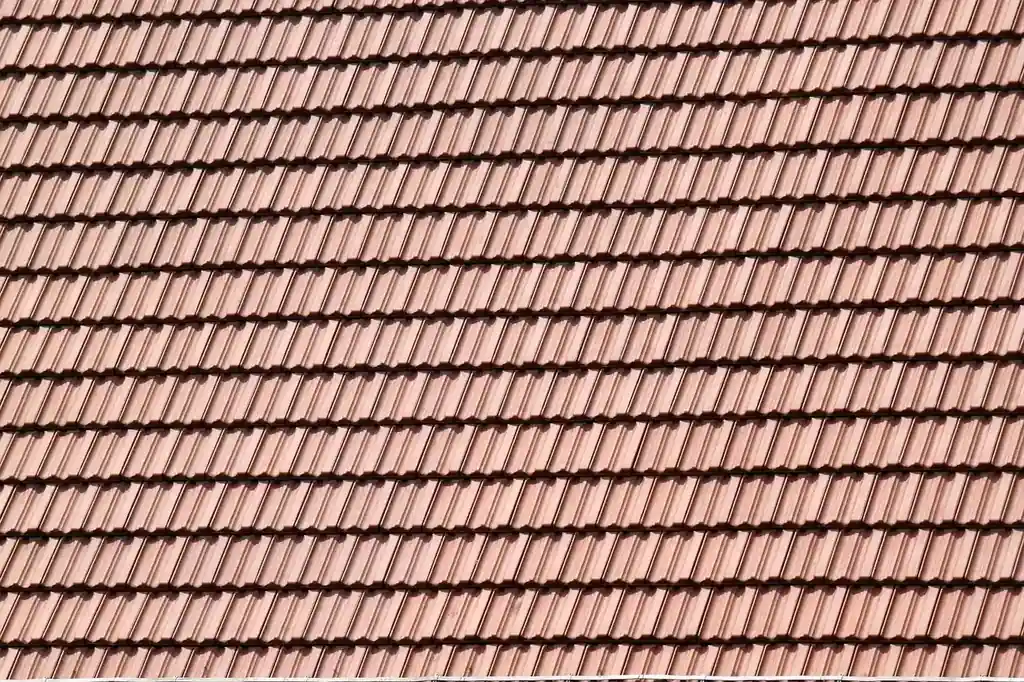
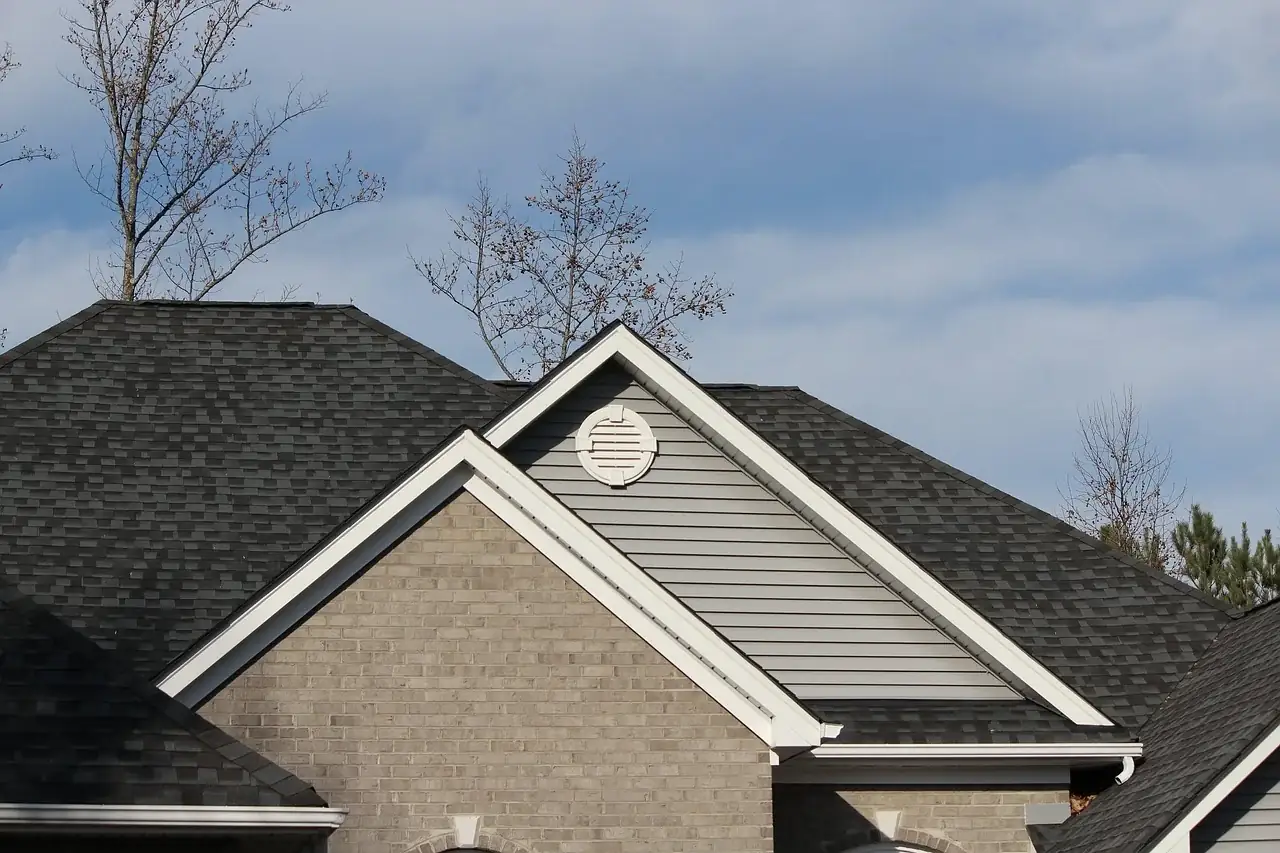
Most homes in Reston and the surrounding Northern Virginia communities use architectural asphalt shingles. They offer solid value, good wind resistance rated at 110 to 130 mph, and a wide range of colors that satisfy HOA requirements across Fairfax County and Loudoun County. Metal roofing has gained popularity on custom homes in Great Falls and McLean, lasting 50 or more years while shedding snow efficiently on low slopes. Cedar shake and natural slate bring classic curb appeal to estate properties along Georgetown Pike and the older neighborhoods in Vienna, though both require specialty care and higher maintenance budgets.
Whatever material sits on your roof, the fundamentals of maintenance and repair are the same. Keep water moving off the surface. Keep flashing tight at every penetration and transition. Keep ventilation balanced between intake and exhaust. And catch small problems before they become expensive emergencies.
How Your Roof System Works Together
A roof is not just shingles or panels. It's a system of components that work together to keep water out and manage temperature and moisture inside your attic. The decking provides structural support. Underlayment creates a secondary water barrier. Ice and water shield at eaves prevents ice dam leaks. Drip edge directs water into gutters. Starter shingles seal the first course against wind uplift. Field shingles shed water across the main surface. Ridge caps seal the peak. And ventilation moves air through the attic to prevent heat buildup and condensation.
When any one component fails, it compromises the others. A missing drip edge lets water wick behind fascia boards. A blocked soffit vent causes moisture buildup that rots decking from below. A failed pipe boot drips water onto insulation that loses its R-value and develops mold. Understanding the system helps you communicate with your contractor and evaluate repair proposals intelligently.
Signs Your Roof Needs Attention
The earlier you catch roof problems, the less they cost to fix. Many homeowners wait until water is dripping through the ceiling before calling a roofer, but by that point the damage has spread to decking, insulation, and interior finishes that multiply the repair bill significantly.
Exterior Warning Signs
Look for shingle granules piling in gutters, which signals accelerated aging of the asphalt surface. Tabs that are cracked, curling, or lifting at the edges indicate wind damage or thermal cycling stress. Dark or shiny spots suggest areas where the protective mineral coating has worn away, leaving the fiberglass mat exposed to UV damage. From the ground, scan ridge lines and valleys for unevenness that might hint at decking issues or nail pops. Missing shingles after storms are obvious, but also look for shingles that appear to have shifted position, which indicates failed sealant strips.
Interior Warning Signs
Inside your home, check ceilings and the upper corners of closets for water stains after heavy rain. In the attic, look for damp sheathing, rusty nail tips that indicate condensation problems, or daylight visible through the roof deck where it shouldn't be. Dark staining on attic rafters or sheathing without an obvious leak source often indicates chronic condensation from inadequate ventilation rather than a roof leak. Both problems need attention, but the solutions are different. For a complete guide to recognizing damage, read our article on the 9 signs your roof needs repair.
Northern Virginia Weather and What It Means for Your Roof
Our area sees hot summers that bake sealants and accelerate granule loss on south-facing slopes. Freeze-thaw cycles in winter stress shingles at nail points and edges, and ice at eaves can creep under shingles where insulation or ventilation is weak. Wind-driven rain during spring and fall thunderstorms tests flashing around chimneys, skylights, and wall transitions. Plan two quick roof checkups each year, one in spring and one in fall, so you catch seasonal stress early before it develops into active leaks.
Maintenance That Pays for Itself
Routine roof maintenance is the most cost-effective home improvement you can make. A $300 annual maintenance routine can prevent $5,000 to $15,000 in premature repair or replacement costs over a ten-year period. Here's what effective maintenance looks like for Northern Virginia homeowners.
Clean gutters and downspouts every spring and fall so water does not back up under the first course of shingles. Keep branches trimmed at least six feet back from the roof surface to prevent abrasion damage and reduce leaf buildup in valleys. Clear moss and lichen gently with a soft brush and an approved cleaner. Never power wash shingles, since the high pressure strips protective granules and dramatically shortens shingle life.
In the attic, make sure soffit vents are open and that insulation is not blocking airflow. Check that bath fans and dryer vents discharge outdoors, not into the attic space where they add moisture. Good ventilation lowers attic heat in summer and reduces condensation in winter, which directly extends the service life of every component in your roofing system.
Common Roof Repairs and What They Cost in Northern Virginia
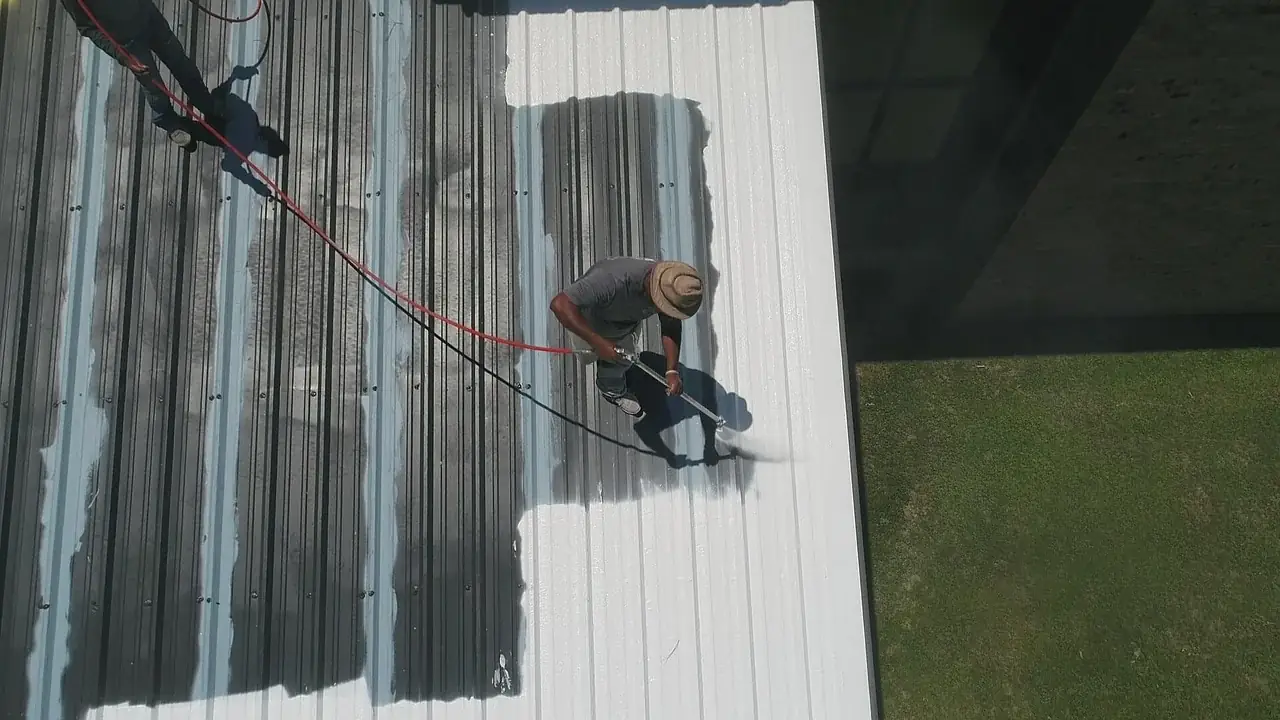
Understanding common repair types and their costs helps you evaluate contractor proposals and budget for necessary work. Here are the repairs we perform most frequently on Northern Virginia homes.
Prices reflect typical Northern Virginia ranges as of 2026. Actual costs vary based on roof pitch, access difficulty, material matching requirements, and scope of underlying damage discovered during the repair process.
Flashing Repair: The Most Underrated Fix
Metal flashing seals the joints where your roof meets walls, chimneys, skylights, and other penetrations. Over time, sealants degrade, mortar cracks, and the metal itself can work loose from thermal expansion and contraction. Resetting or replacing step flashing and counter flashing fixes many mysterious leaks that homeowners spend months trying to diagnose. If your roofer can't find an obvious shingle problem but water keeps appearing near a wall or chimney, flashing is almost always the answer.
Pipe Boot Replacement: Quick and Critical
The rubber collar around plumbing vents (called a pipe boot) dries and cracks from UV exposure, typically failing within 8 to 12 years even when the surrounding shingles are still in good condition. Swapping the boot is a straightforward repair that takes under an hour but stops the persistent ceiling drips that damage drywall and promote mold growth. This is one of the most common repairs we perform on homes in the Reston Association neighborhoods and the established communities throughout Herndon and Sterling.
Ventilation and Insulation Work as a Team
A cool, dry attic helps your roof last longer and keeps your energy bills lower. Intake vents at soffits and exhaust vents at the ridge allow air to move naturally through the attic space. This convective airflow carries off summer heat that would otherwise bake your shingles from below and winter moisture that would otherwise condense on cold sheathing and cause rot.
Pair that airflow with even attic insulation at the recommended R-38 to R-49 level for Northern Virginia's climate zone so the ceiling stays close to room temperature. Proper venting and insulation also reduce ice dams at the eaves, which are a common source of winter leaks in the older homes along Hunter Mill Road in Oakton and the established neighborhoods around Vienna town center.
During any roof repair or replacement project, ask your contractor to evaluate ventilation balance. Many homes in Northern Virginia were built in the 1970s and 1980s with insufficient ventilation that doesn't meet current code standards. Upgrading ventilation during a roof project adds modest cost but delivers significant returns in roof longevity and energy savings.
Repair or Replace: Making the Right Decision
This is the question every homeowner eventually faces, and getting the right answer saves thousands of dollars. Here's how to think through it clearly.
Patch repairs are smart when damage is localized to a small area, the roof is under 15 years old, and the surrounding shingles are still flexible with good granule coverage. A few wind-damaged shingles, a cracked pipe boot, or a flashing issue on an otherwise healthy roof are all excellent candidates for targeted repair.
Replacement becomes the better investment when shingles are brittle across large areas, granule loss is widespread on multiple slopes, leaks have appeared in different locations, or the roof has exceeded 20 to 25 years of age. A new roof also lets you add upgraded underlayments, ice barriers at eaves, proper starter and drip edge, and balanced ventilation that are difficult to retrofit during piecemeal repairs.
The 30 percent rule provides a useful benchmark. If the cost of repairing all current and foreseeable issues exceeds 30 percent of what a full replacement would cost, replacement typically delivers better long-term value. An honest inspection from Reston Roofing will outline both paths with photos and clear pricing so you can make an informed decision. Learn more about costs in our guide to roof replacement costs in Northern Virginia.
Storm Damage and Insurance Basics
After a strong storm, walk the property and look for missing shingles, bent gutters, dented flashing, or debris on the roof surface. Check attic ceilings for new stains that weren't there before the storm. Document everything with time-stamped photos before any cleanup work.
If damage is apparent, contact your insurance company and a licensed roofer. A professional assessment helps you understand whether the damage meets your policy's claim thresholds and ensures temporary protection is installed correctly while paperwork processes. Most homeowner's policies in Virginia cover sudden storm damage but exclude gradual wear, deferred maintenance, and pre-existing conditions. Having a trusted roofing contractor on your side during the claims process makes a significant difference in claim outcomes.
A Seasonal Maintenance Checklist for Northern Virginia
In spring, clear gutters, prune branches back from the roof, and check flashing after the freeze-thaw season ends. In summer, keep attic ventilation clear and monitor for unusually hot upstairs rooms that may indicate airflow problems. In fall, remove leaves from valleys and clean gutters again before the first freeze. In winter, watch for ice forming at the eaves and ensure bath and dryer fans vent outdoors, not into the attic. Quick seasonal checks prevent small issues from becoming major repairs.
What to Ask a Roofing Contractor
Ask for proof of Virginia contractor license and liability insurance. Request a written scope that lists materials by brand, model, and color, not just generic descriptions. Clarify how ventilation will be handled and how flashing will be installed at chimneys, skylights, and wall transitions. Confirm cleanup procedures including magnetic nail sweep. Review both workmanship and manufacturer warranty terms in writing before any work begins.
Frequently Asked Questions
How much do common roof repairs cost in Northern Virginia?
Common roof repairs in Northern Virginia cost $250 to $750 for pipe boot replacement, $400 to $1,500 for flashing repair, $300 to $1,000 for fixing missing or damaged shingles, and $1,500 to $5,000 for valley or ridge rework. Emergency leak repairs typically run $500 to $2,000 depending on severity and access difficulty. Northern Virginia repair costs run 15 to 25 percent above national averages due to higher labor rates and permit fees in Fairfax and Loudoun counties.
How often should I inspect my roof in Northern Virginia?
Inspect your roof twice per year in Northern Virginia, once in spring after freeze-thaw season and once in fall before winter weather arrives. Schedule additional inspections after any severe storm with winds above 50 mph or hail. You can do basic visual checks from the ground with binoculars and from inside the attic. Professional inspections every two to three years provide a more thorough assessment of conditions you cannot see from the ground.
When should I repair vs replace my roof?
Repair when damage is localized to a small area, the roof is under 15 years old, and the rest of the system is in good condition. Replace when shingles are brittle across large areas, granule loss is widespread, leaks have appeared in multiple locations, or the roof has exceeded 20 to 25 years of service. If repair costs exceed 30 percent of replacement cost, replacement is usually the better investment because it includes upgraded underlayment, ice barriers, and ventilation improvements.
What causes roof leaks in Northern Virginia homes?
The most common causes of roof leaks in Northern Virginia are damaged or deteriorated flashing around chimneys, skylights, and wall transitions. Failed pipe boots around plumbing vents are the second most frequent source. Wind-lifted shingles, nail pops, and ice dam damage at eaves round out the top causes. Northern Virginia's combination of wind-driven rain, freeze-thaw cycling, and summer heat stress creates conditions that test every component of the roofing system.
Does homeowner's insurance cover roof repairs in Virginia?
Homeowner's insurance in Virginia typically covers roof damage caused by sudden events like wind storms, hail, and fallen trees. It does not cover damage from normal wear and aging, deferred maintenance, or gradual deterioration. Document storm damage immediately with time-stamped photos before any cleanup. Contact your insurer and request a professional inspection from a licensed roofer who can provide detailed documentation that supports your claim.
Ready for a Roof Checkup? Reston Roofing Is Here to Help
Whether you need a fast pipe boot fix, a thorough leak investigation, or a full replacement with upgraded ventilation, Reston Roofing provides photo-rich inspections, clear proposals, and clean, respectful job sites. We serve homeowners throughout Reston, Herndon, Fairfax, McLean, Vienna, and communities across Northern Virginia.
Call us today at (571) 453-6515 or schedule a consultation online. Tell us your roof age, any past issues, and the best time for a visit. We'll handle the rest and keep your home covered with confidence.