Understanding Roofing Warranties in Virginia
A new roof is one of the largest investments a Virginia homeowner will make, often costing $10,000 to $30,000 or more depending on the size and materials chosen. Protecting that investment with the right warranty coverage is essential, yet many homeowners find roofing warranties confusing, with complex terms, multiple coverage types, and conditions that can unknowingly void protection. This comprehensive guide from Reston Roofing breaks down everything Virginia homeowners need to understand about roofing warranties, from the differences between manufacturer and workmanship coverage to Virginia-specific consumer protection laws that safeguard your rights.
Manufacturer Material Warranties: 25-50 Years of Coverage
Manufacturer material warranties cover defects in the roofing products themselves. These warranties are provided by the companies that manufacture shingles, membranes, underlayment, and other roofing components. Major manufacturers like GAF, CertainTeed, Owens Corning, and IKO offer material warranties ranging from 25 to 50 years depending on the product line and warranty tier.
Basic material warranties, sometimes called standard or limited warranties, typically cover manufacturing defects that cause premature failure of the roofing material under normal conditions. These warranties usually last 25-30 years for architectural shingles and cover the cost of replacement materials only, not labor for removal and reinstallation.
Premium or enhanced warranties extend coverage to 40-50 years and often include more comprehensive benefits. Top-tier warranties from manufacturers like GAF's Golden Pledge or CertainTeed's SureStart Plus cover both materials and labor for a specified initial period, typically 10-25 years, before transitioning to materials-only coverage. These enhanced warranties usually require installation by a manufacturer-certified contractor, which ensures proper installation techniques and gives the manufacturer confidence in the system's performance. Choosing a trusted roofing contractor with manufacturer certifications gives you access to the best warranty options available.
Workmanship Warranties: 5-15 Years of Installation Protection
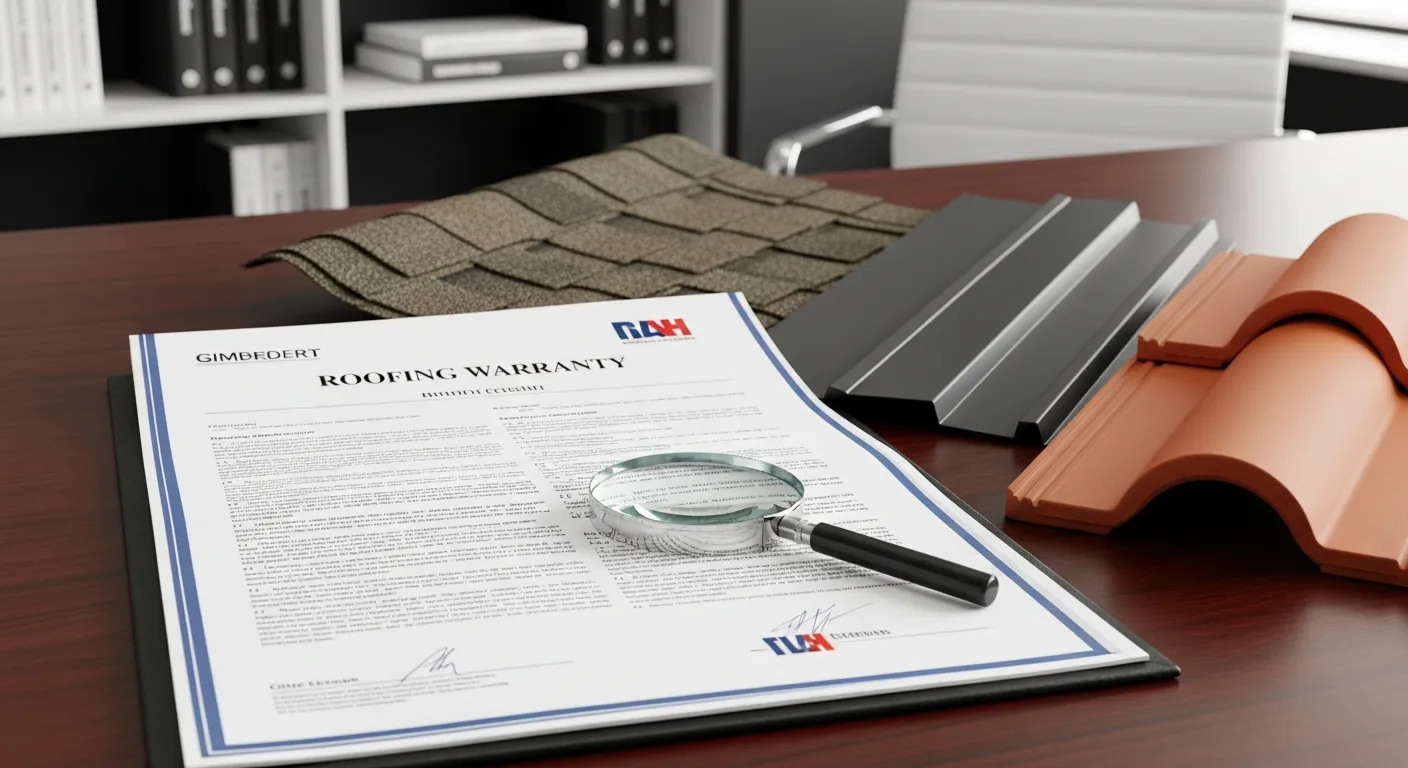
While manufacturer warranties protect against material defects, workmanship warranties cover errors and deficiencies in the installation process itself. These warranties are provided directly by your roofing contractor and are separate from any manufacturer coverage. Workmanship warranty terms typically range from 5 to 15 years, depending on the contractor's confidence in their work and their business practices.
Workmanship warranties are critically important because the vast majority of roofing failures result from installation errors rather than material defects. Improper nail placement, incorrect flashing techniques, inadequate underlayment installation, and poor ventilation integration are common installation issues that can cause leaks and premature failure regardless of material quality. A strong workmanship warranty ensures your contractor stands behind their installation and will return to correct any issues at no additional cost.
When evaluating workmanship warranties, consider the contractor's track record and stability. A 15-year workmanship warranty is only valuable if the company will still be in business to honor it. Established local contractors like Reston Roofing, with deep roots in the Northern Virginia community, provide the stability and accountability that makes workmanship warranties meaningful. We have served homeowners throughout Reston and surrounding areas for over 15 years, standing behind every installation we complete.
Prorated vs. Non-Prorated Warranties
Understanding the difference between prorated and non-prorated warranties is essential for knowing what your warranty actually covers as your roof ages. This distinction significantly affects the financial protection you receive if a claim becomes necessary.
Non-Prorated Warranties: Non-prorated warranties provide full coverage for the specified period regardless of the roof's age. If your shingles fail in year 2 or year 15 of a 20-year non-prorated warranty, you receive the same level of coverage: full replacement of defective materials and, if included, labor costs. Non-prorated coverage provides the strongest financial protection and is typically available during the initial years of premium warranty programs.
Prorated Warranties: Prorated warranties reduce coverage as the roof ages. The manufacturer pays a decreasing percentage of replacement costs based on how many years have passed since installation. For example, a 30-year prorated warranty might cover 100% of material costs in year 1, but only 30% in year 20. By the final years of coverage, the warranty may cover so little that filing a claim barely justifies the effort. Most manufacturer warranties transition from non-prorated to prorated coverage at some point, typically after 10-15 years.
Always read warranty documents carefully to understand exactly when prorated coverage begins and how quickly benefits decrease. The headline number of years is less important than the actual coverage schedule throughout the warranty period.
What Voids Roofing Warranties
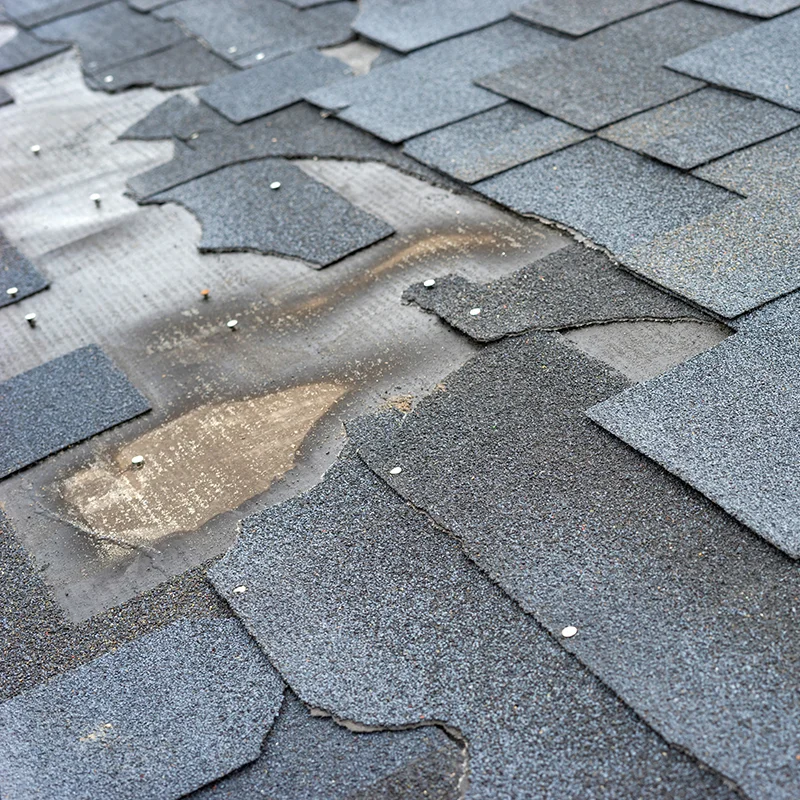
Perhaps the most important aspect of warranty ownership is understanding what actions or conditions can void your coverage. Many homeowners unknowingly take actions that invalidate their warranty, discovering the problem only when they need to file a claim. Here are the most common warranty-voiding scenarios Virginia homeowners should avoid:
Improper Installation
If your roof was not installed according to manufacturer specifications, the material warranty may be void from day one. This is why choosing a qualified, manufacturer-certified contractor is so critical. Improper nail patterns, incorrect underlayment application, wrong starter strip installation, and failure to follow specific product instructions all constitute installation deficiencies that can void warranty coverage. Having your roof installed by a qualified Northern Virginia roofing contractor protects your warranty from the start.
Lack of Adequate Ventilation
Nearly every shingle manufacturer requires adequate attic ventilation as a warranty condition. Without proper ventilation, shingles overheat from below, causing premature aging, curling, and granule loss. If a warranty claim inspection reveals inadequate ventilation, the claim will likely be denied regardless of the specific failure mode. Virginia code requires minimum ventilation ratios, but manufacturer requirements sometimes exceed code minimums. Ensuring proper roof ventilation is essential for maintaining warranty coverage.
Unauthorized Repairs and Modifications
Having unlicensed individuals or non-authorized contractors perform repairs, modifications, or additions to your roof can void both manufacturer and workmanship warranties. This includes homeowner DIY repairs, handyman services, satellite dish installations that penetrate the roof surface, and solar panel installations by companies that are not roofing specialists. Always contact your original contractor or an authorized repair provider before any work is done on your warranted roof.
Failure to Perform Required Maintenance
Many warranties require regular maintenance including periodic inspections, gutter cleaning, debris removal, and prompt repair of identified issues. If you cannot demonstrate that reasonable maintenance was performed, a warranty provider may deny your claim on the grounds that neglect contributed to the failure. Keeping records of all maintenance activities protects your warranty rights.
Pressure Washing and Improper Cleaning
Pressure washing asphalt shingles strips away the protective granule surface, accelerating UV damage and shortening shingle life. Most manufacturers explicitly exclude damage caused by pressure washing from warranty coverage. If your roof develops algae or moss, use manufacturer-approved cleaning methods or consult a professional for safe treatment options.
Roofing Warranty Cost Implications
Prices shown are typical ranges for Northern Virginia as of 2026 and vary based on home size, material grade, site access, and current material costs. Contact us for a free on-site estimate.
Warranty Transferability for Home Sales
If you are selling your Virginia home, a transferable roofing warranty adds significant value to the transaction. Buyers appreciate knowing that the roof is warranted, and a strong warranty can justify a higher asking price or make your home more competitive in the market.
Most major manufacturer warranties are transferable, though the process and conditions vary. Common transfer requirements include notifying the manufacturer within 30-60 days of the property sale, paying a transfer fee that typically ranges from $50 to $250, and providing documentation of the original installation including contractor information and warranty registration. Some manufacturers allow only one transfer during the warranty period, while others permit multiple transfers. Coverage terms may be modified upon transfer, with some manufacturers reducing the remaining warranty period or converting non-prorated coverage to prorated.
Workmanship warranties from contractors may or may not be transferable depending on the contractor's policy. Reston Roofing's workmanship warranty is transferable, providing continued protection for new homeowners and added value for sellers. We recommend discussing warranty transfer with your roofing contractor before installation to understand the transfer terms and ensure the warranty will benefit you whether you stay or sell.
How to File a Roofing Warranty Claim
Filing a warranty claim can seem daunting, but following a systematic process improves your chances of a successful outcome. Here is how to navigate the warranty claim process effectively:
Step 1: Document the Problem
Before contacting anyone, thoroughly document the issue with photographs, written descriptions, and dates. Capture the extent of visible damage, any interior effects like water stains or leaks, and the overall condition of the roof. This documentation establishes the timeline and scope of the problem.
Step 2: Identify the Correct Warranty Provider
Determine whether the issue is a material defect covered by the manufacturer or an installation deficiency covered by the contractor's workmanship warranty. Material defects include manufacturing inconsistencies, premature granule loss across the entire roof, and product failures unrelated to installation or maintenance. Installation issues include leaks at flashings, improper nail placement causing blow-offs, and failures at specific detail areas. If you are unsure, contact your contractor first for guidance.
Step 3: Gather Your Documentation
Collect your original warranty documents, proof of purchase or installation contract, warranty registration confirmation, and maintenance records. Having these materials organized before initiating a claim accelerates the process and demonstrates that you have fulfilled your maintenance obligations.
Step 4: Submit the Claim
Contact the warranty provider, either the manufacturer's warranty department or your contractor. Provide your documentation and a clear description of the problem. Most manufacturers have online claim portals, while contractor claims typically begin with a phone call.
Step 5: Inspection and Resolution
The warranty provider will typically send an inspector to evaluate the claim. Cooperate fully with the inspection process and provide any additional information requested. If the claim is approved, the provider will arrange for repair or replacement according to the warranty terms. If denied, you have the right to request a detailed explanation and appeal the decision.
Virginia Consumer Protection Laws
Virginia homeowners benefit from several layers of legal protection that govern roofing warranties and contractor practices. Understanding these protections helps you make informed decisions and know your rights.
Virginia Consumer Protection Act (VCPA): This act prohibits deceptive practices in the sale and enforcement of warranties. Contractors who misrepresent warranty terms, fail to honor warranty obligations, or use misleading advertising about warranty coverage may be subject to VCPA enforcement actions and civil liability.
Virginia Contractor Licensing: Virginia requires contractors to be licensed by the Board for Contractors for projects exceeding $1,000. Licensed contractors must demonstrate competency, maintain insurance, and adhere to professional standards. Hiring a licensed contractor protects your warranty and gives you recourse through the state licensing board if disputes arise.
Virginia Contractor Transaction Recovery Fund: This state-administered fund provides financial recovery for homeowners who suffer losses due to improper or dishonest conduct by licensed contractors. If a licensed contractor fails to honor warranty obligations, this fund may provide compensation up to statutory limits.
Magnuson-Moss Warranty Act: This federal law applies to all consumer product warranties, including roofing materials. It requires warranty providers to clearly disclose warranty terms, prohibits tying warranty coverage to the use of specific brands of maintenance products, and gives consumers the right to sue for breach of warranty in state or federal court.
If you believe your warranty rights have been violated, document everything and consult with the Virginia Department of Professional and Occupational Regulation or a consumer protection attorney. Understanding your rights as a Virginia homeowner empowers you to hold contractors and manufacturers accountable.
Reston Roofing's Warranty Offerings
At Reston Roofing, we believe that strong warranty coverage reflects a contractor's confidence in their work. Our warranty program is designed to give Northern Virginia homeowners maximum protection and complete peace of mind.
Our workmanship warranty covers all aspects of the installation process for a comprehensive term that reflects our confidence in our team's skill and attention to detail. This warranty covers leaks, blow-offs, and any other performance issues resulting from installation deficiencies, with no deductible or service call fees during the warranty period.
As certified installers for major manufacturers including GAF, CertainTeed, and Owens Corning, we offer access to the highest tier of manufacturer warranties available. These enhanced warranties provide extended non-prorated coverage, materials and labor protection, and the backing of industry-leading manufacturers.
Our warranty is fully transferable, adding value to your home if you decide to sell. We handle the transfer process at no charge, ensuring seamless coverage continuation for new homeowners. We also provide comprehensive documentation of every installation, including photographs, material specifications, and warranty registration confirmations, so you always have the records needed to support a claim.
Frequently Asked Questions
What is the difference between a manufacturer warranty and a workmanship warranty?
A manufacturer warranty covers defects in the roofing materials, lasting 25-50 years. A workmanship warranty covers installation errors and is provided by your contractor, typically lasting 5-15 years. Both are essential because materials and installation quality are equally important for roof performance. Always ensure you have both types of coverage for complete protection.
What voids a roofing warranty in Virginia?
Common warranty-voiding actions include improper installation by unqualified contractors, inadequate attic ventilation, unauthorized repairs or modifications, failure to perform required maintenance, and pressure washing shingles. Always read your warranty terms carefully and contact your contractor before making any changes to your roofing system.
Can I transfer my roofing warranty when I sell my home?
Most manufacturer warranties are transferable with proper notification, typically within 30-60 days of sale, and a transfer fee of $50-$250. Coverage terms may change upon transfer. Workmanship warranty transferability depends on the contractor's policy. Reston Roofing's workmanship warranty transfers at no charge, providing continued protection for new homeowners.
How do I file a roofing warranty claim in Virginia?
Start by documenting the issue with photos and written descriptions. Determine whether it is a material or workmanship issue. Gather your warranty documents, proof of purchase, and maintenance records. Contact the appropriate warranty provider and submit your claim. An inspector will evaluate the damage and determine coverage. Detailed maintenance records significantly improve your chances of claim approval.
What Virginia consumer protection laws apply to roofing warranties?
Virginia homeowners are protected by the Virginia Consumer Protection Act, state contractor licensing requirements, the Contractor Transaction Recovery Fund, and the federal Magnuson-Moss Warranty Act. These laws prohibit deceptive warranty practices, require contractor licensing, provide financial recovery options, and ensure warranty terms are clearly disclosed.
Contact Reston Roofing About Warranty Coverage
Understanding your warranty options before investing in a new roof ensures you receive the protection your investment deserves. Whether you are planning a roof replacement, need to file a warranty claim, or want to understand your existing coverage, Reston Roofing is here to help.
Our team serves homeowners throughout Reston, Herndon, Vienna, Fairfax, Sterling, Oakton, McLean, and all of Northern Virginia. We provide transparent warranty information, manufacturer-certified installations, and the kind of lasting workmanship that makes strong warranties possible.
Call us today at (571) 453-6515 or schedule a consultation online. Let Reston Roofing protect your roofing investment with industry-leading warranty coverage and expert installation.