Spring Roof Inspection Checklist for Reston Homeowners
After a long Northern Virginia winter, your roof has endured months of freezing temperatures, ice, snow, and wind. Spring is the perfect time to assess your roof's condition and address any damage before it leads to costly repairs. This comprehensive spring roof inspection checklist helps Reston homeowners identify potential problems early, protect their investment, and ensure their home stays safe and dry throughout the year.
Why Spring Inspections Matter in Reston
Reston's winter weather creates a perfect storm of roofing challenges. Temperatures in Northern Virginia regularly swing above and below freezing between December and March, subjecting roofing materials to repeated expansion and contraction cycles. This freeze-thaw pattern is one of the leading causes of shingle cracking, flashing separation, and sealant failure throughout the region.
Ice and snow accumulation adds weight stress to your roof structure, while ice dams can form along eaves and force water beneath shingles. Even homes that appear undamaged from the ground may harbor hidden problems that worsen with spring rains. A thorough spring inspection catches these issues when they're still minor and affordable to fix. Working with an experienced Reston roofing contractor ensures nothing gets overlooked.
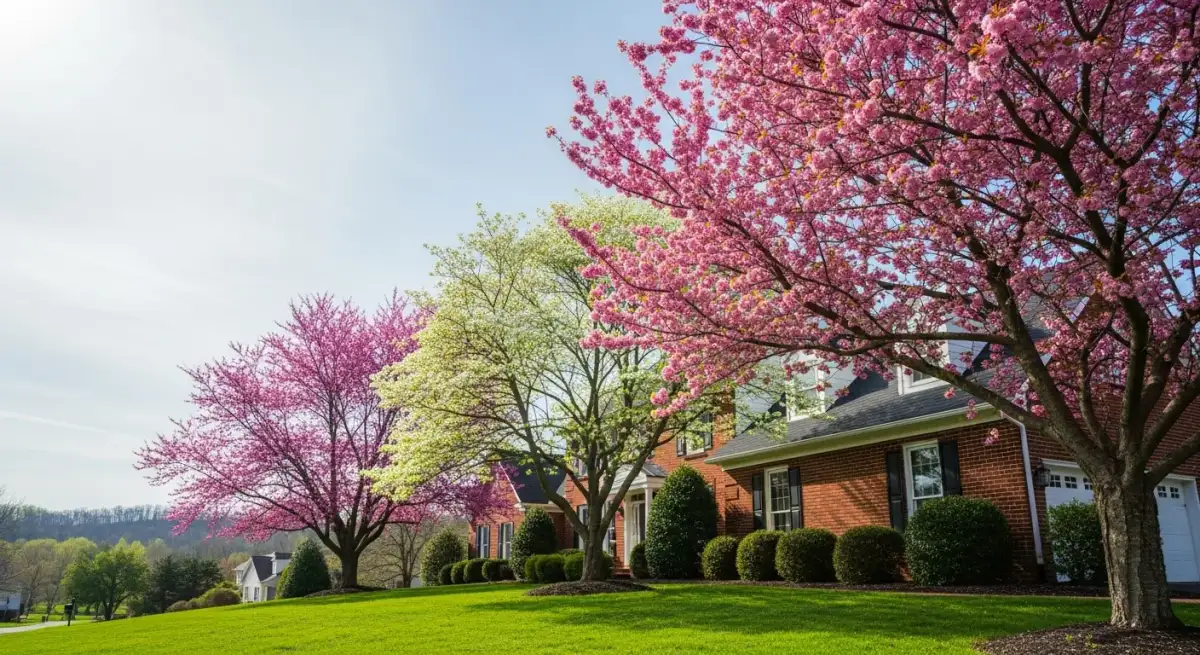
Ground-Level Inspection: What You Can Check Yourself
Before calling a professional, you can perform a preliminary ground-level inspection to identify obvious issues. Grab a pair of binoculars and walk around your property, examining each section of your roof carefully.
Check for Missing or Damaged Shingles
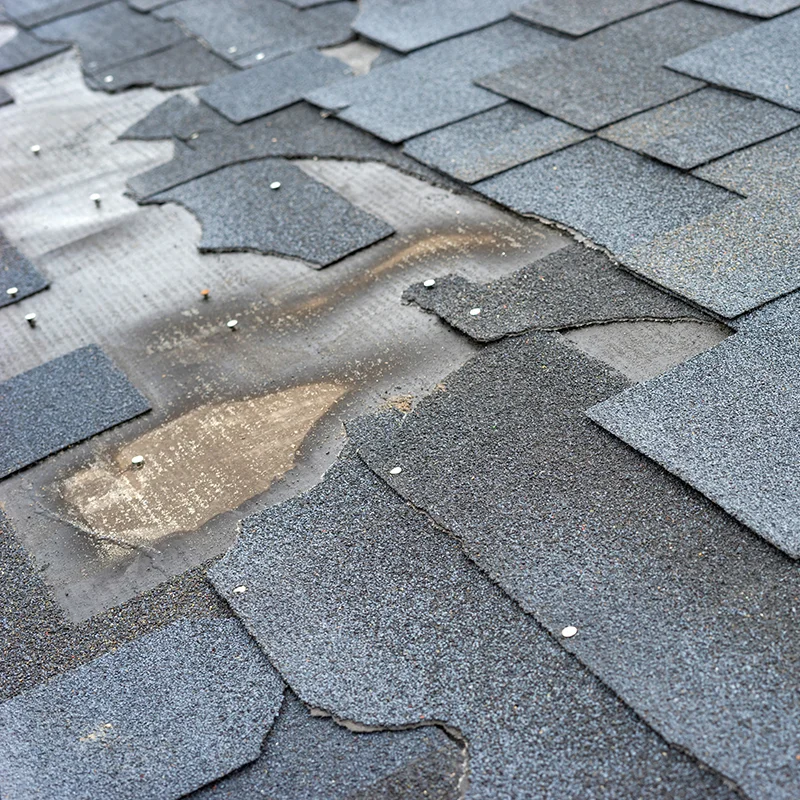
Look for shingles that are missing entirely, cracked, curled, or buckled. Winter winds and ice can loosen shingles from their fasteners, leaving gaps in your roof's protective barrier. Pay special attention to ridgelines, valleys, and areas near roof penetrations where shingles are most vulnerable to wind uplift. If you notice bare patches or shingle granules accumulating in your gutters, your roof likely sustained winter damage that requires professional roof repair.
Examine Flashing and Sealants
Flashing around chimneys, skylights, vents, and where the roof meets walls is critical for preventing water entry. From the ground, look for flashing that appears bent, lifted, or separated from the surface. Dark streaks near flashing often indicate water has been seeping behind it. Sealant around pipe boots and other penetrations can crack and shrink during cold weather, creating entry points for moisture. Our chimney flashing repair guide covers common flashing problems in detail.
Inspect Gutters and Downspouts
Gutters play a crucial role in directing water away from your roof and foundation. Check for gutters that are sagging, pulling away from the fascia, or visibly damaged. Look for debris accumulation, especially around downspout connections. Ice weight during winter frequently bends gutter hangers and loosens connections. Proper gutter repair and cleaning is essential for your roof's drainage system to function effectively.
Look for Sagging or Uneven Areas
A healthy roof should have straight, even lines along ridges and eaves. Any sagging, dipping, or waviness in the roof surface may indicate structural damage to the decking or rafters beneath. Water-saturated decking from winter leaks can cause sections to sag and weaken over time. Sagging is a serious concern that warrants immediate professional evaluation.
Interior Inspection: Checking from Inside
Your attic and interior ceilings can reveal roof problems that aren't visible from outside. A thorough spring inspection should include checking interior spaces for signs of moisture intrusion and damage.
- Attic water stains - Look for dark spots, streaks, or discoloration on rafters, sheathing, and insulation
- Daylight through the roof - In a dark attic, visible light through the roof deck indicates gaps where water can enter
- Mold or mildew growth - Musty odors or visible mold in the attic suggest persistent moisture problems
- Damp or compressed insulation - Wet insulation loses its effectiveness and indicates an active or recent leak
- Ceiling stains in living spaces - Brown or yellow marks on ceilings below the roof point to leaks above
- Peeling paint near roofline - Moisture wicking through from above can cause interior paint to bubble and peel
If you discover any of these interior signs, it's important to have a professional roofer locate the source of moisture before making repairs. Interior symptoms often appear far from the actual point of water entry. Learn about the connection between roof leaks and mold for your family's health.
Professional Inspection: What the Experts Check
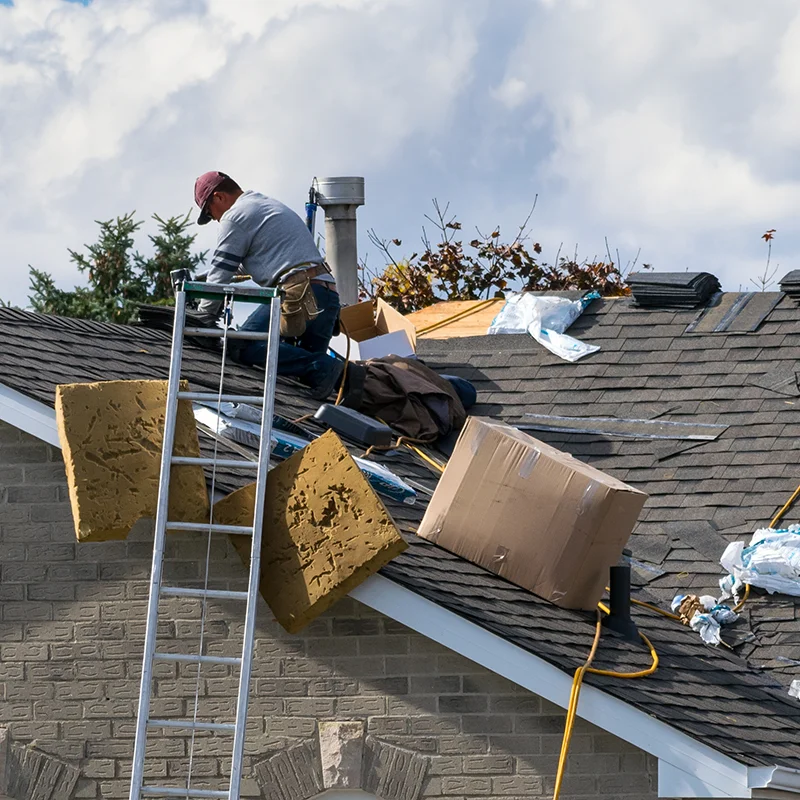
While a ground-level and interior inspection catches many issues, a professional roof inspection provides a comprehensive evaluation that goes far beyond what homeowners can safely assess. Trained roofers walk the roof surface, testing for soft spots, checking every detail up close, and using their experience to identify developing problems.
Shingle Condition Assessment
Professional inspectors evaluate shingle condition by testing adhesion, flexibility, and granule coverage. They check for micro-cracks invisible from the ground, assess whether shingles have adequate sealant strips, and determine overall remaining useful life. This detailed analysis helps you plan maintenance and budget for future repair or replacement needs.
Flashing and Penetration Seals
Every roof penetration including vents, pipes, chimneys, and skylights requires proper sealing. Professional inspectors examine each penetration up close, checking caulk integrity, boot condition, and flashing attachment. They can identify areas where sealant has failed and water may be entering during heavy rains, even if no interior damage is visible yet.
Ventilation System Evaluation
Proper attic ventilation prevents heat buildup in summer and moisture accumulation in winter. Inspectors verify that ridge vents, soffit vents, and any powered ventilation systems are functioning correctly. Blocked or inadequate ventilation accelerates shingle aging and can contribute to ice dam formation the following winter. Understanding roof ventilation importance helps you maintain optimal airflow year-round.
Structural Integrity Check
Walking the roof surface allows professionals to feel for soft spots in the decking that indicate water damage or rot. They examine the overall structure for signs of settling, shifting, or stress. This hands-on assessment is impossible from the ground and provides critical information about your roof's structural health.
Spring Roof Maintenance Costs in Reston
Prices shown are typical ranges for Northern Virginia as of 2026 and vary based on home size, material grade, site access, and current material costs. Contact us for a free on-site estimate.
What Winter Does to Reston Roofs
Reston's winter months — typically December through early March — put your roof through a punishing cycle of stress that creates the damage you need to catch during your spring inspection. Understanding what happened up there during winter helps you know what to look for and why each checkpoint on your inspection list matters.
Freeze-thaw cycling is the primary culprit. When temperatures swing from the mid-40s during the day to the low 20s overnight — a pattern that occurs 30 to 40 times per Reston winter — water that has seeped into small cracks in your shingles, flashing, and sealant expands as it freezes, widening those cracks. By March, what started as a hairline crack around your chimney flashing in November has become a gap wide enough to admit water during the first spring rain. Homes in Reston's shaded neighborhoods — particularly along Glade Drive, Temporary Road, and the wooded areas near Brown's Chapel Park — experience more intense freeze-thaw cycling because shade prevents the midday warming that slows the process.
Snow and ice loading test your roof's structural integrity. Northern Virginia's wet, heavy snow — the kind common during February and March storms — weighs approximately 20 pounds per cubic foot, compared to dry powder snow at 5 to 7 pounds per cubic foot. A single 12-inch wet snowfall on a 2,000-square-foot roof adds roughly 12,000 to 15,000 pounds of load. Older homes in the Hunters Woods, North Point, and Lake Anne areas that were built to 1970s-era structural codes may show signs of stress after heavy snow years — look for sagging ridgelines, cracked interior ceiling drywall, or doors and windows that have become harder to open and close.
Wind damage accumulates gradually during winter. While summer thunderstorms deliver the dramatic, sudden wind events, winter nor'easters bring sustained winds of 30 to 40 mph for hours at a time. This steady force loosens shingle tabs, works fastener heads upward, and creates small openings in ridge cap shingles that allow driven rain and snowmelt to penetrate. During your spring inspection, pay particular attention to shingles along the windward side of your roof — typically the north and northwest faces in Reston — and check for lifted tabs, exposed fastener heads, or missing pieces of ridge cap.
Post-Winter Damage: What Reston Winters Do to Your Roof
Northern Virginia winters create specific damage patterns that Reston homeowners should understand. Knowing what to look for helps you communicate effectively with your roofing contractor and understand inspection findings.
Ice Dam Damage: When heat escapes from your attic, it melts snow on the upper roof. Water runs down and refreezes at the colder eaves, creating ice dams that trap water beneath shingles. This water can penetrate underlayment and decking, causing interior leaks and rot. Evidence of ice dam damage often appears as staining or damaged shingles along the first few feet above the eaves.
Freeze-Thaw Cracking: Repeated freezing and thawing causes shingles, flashing, and sealants to crack. Water enters these small cracks, freezes again, and expands the damage further. This cycle accelerates deterioration of all roofing components and is particularly severe during Reston's variable winter temperatures.
Wind Damage: Winter storms bring strong winds that can lift shingle edges, break sealant bonds, and tear flashing loose. Damage may be subtle, with shingles that appear intact but have lost their adhesive seal, making them vulnerable to the next windstorm.
Snow Load Stress: While Northern Virginia doesn't receive extreme snowfall, occasional heavy storms can stress roof structures. Repeated snow accumulation and melt cycles add weight and moisture that test your roof's integrity over time.
Your Complete Spring Roof Inspection Checklist
Use this comprehensive checklist to ensure you cover every critical area during your spring inspection:
Exterior Roof Surface
- All shingles present and lying flat
- No cracked, curled, or buckled shingles
- Adequate granule coverage on shingle surfaces
- Ridge cap shingles intact and secure
- Valley areas clear of debris and properly sealed
Flashing and Seals
- Chimney flashing tight and properly sealed
- Vent pipe boots flexible and crack-free
- Skylight flashing secure with no gaps
- Wall-to-roof transition flashing intact
- All caulk and sealant in good condition
Gutters and Drainage
- Gutters securely attached to fascia
- No visible sagging or separation in gutter runs
- Downspouts connected and directing water away from foundation
- Gutters clear of winter debris and leaf accumulation
- Splash blocks or extensions in place at downspout outlets
Interior and Attic
- No water stains on ceilings or upper walls
- Attic free of mold, mildew, or musty odors
- Insulation dry and evenly distributed
- Ventilation openings clear and unobstructed
- No daylight visible through roof deck
When to Call a Professional Roofer
While basic visual inspections are valuable, certain situations demand professional expertise. Contact a trusted roofing contractor immediately if you encounter any of these conditions:
- Active leaks - Water entering your home requires immediate professional attention
- Multiple missing shingles - More than a few missing shingles indicate widespread damage
- Sagging roof sections - Structural concerns need expert evaluation
- Extensive granule loss - Large amounts of granules in gutters signal aging shingles
- Visible mold in the attic - Indicates chronic moisture problems needing investigation
- Roof older than 15 years - Annual professional inspections become essential for aging roofs
Professional inspectors identify issues that homeowners commonly miss and provide accurate assessments of repair needs versus replacement considerations. Investing in a professional inspection each spring protects your home and helps you plan maintenance budgets effectively. Learn more about the free roof inspection services we offer in Reston.
Spring Maintenance Tips Beyond Inspection
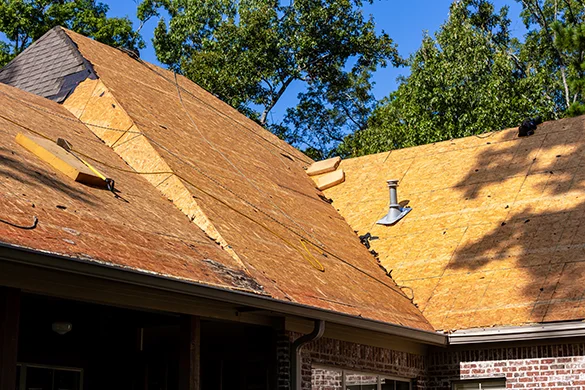
Once your inspection is complete and any necessary repairs are scheduled, these additional spring maintenance tasks help keep your roof in top condition throughout the year:
Clean Your Gutters: Remove all winter debris from gutters and downspouts. Flush the system with a garden hose to ensure proper flow. Consider installing gutter guards if leaf accumulation is a recurring problem for your Reston home.
Trim Overhanging Branches: Cut back any tree branches hanging over or touching your roof. Branches scraping against shingles cause abrasion damage, and overhanging limbs drop debris that clogs gutters and retains moisture on the roof surface.
Check Attic Ventilation: Ensure soffit vents are clear of insulation blockage and that ridge vents or other exhaust vents are functioning properly. Good ventilation reduces summer cooling costs and prevents moisture problems.
Address Minor Repairs Promptly: Small issues found during inspection should be repaired quickly before spring storms arrive. A loose shingle or minor flashing gap can become a major leak during heavy rain. Learn how to extend the lifespan of your roof through proactive care.
Frequently Asked Questions
How often should I inspect my roof in Reston?
We recommend inspecting your roof at least twice per year, in spring and fall, plus after any major storm. Spring inspections catch winter damage, while fall inspections prepare your roof for the cold months ahead. Homes with older roofs or many trees nearby benefit from more frequent checks.
What does a professional roof inspection include?
A professional inspection includes examination of all roofing materials, flashing, penetration seals, gutters, ventilation systems, and the attic space. The inspector documents findings with photos and provides a detailed report with recommendations. Most inspections take 45 minutes to an hour for an average-sized Reston home.
Should I worry about moss or algae on my roof after winter?
Moss and algae growth is common on north-facing roof slopes in Reston due to shade and moisture retention. While not immediately destructive, moss traps moisture against shingles and accelerates deterioration. Professional cleaning and zinc or copper strip installation can prevent regrowth and extend shingle life.
Can I walk on my roof to inspect it myself?
Walking on your roof is not recommended for homeowners due to safety risks and potential for causing additional damage. Roof surfaces can be slippery, especially when wet, and improper walking techniques can crack shingles. Use binoculars from the ground and leave on-roof inspections to trained professionals with proper safety equipment.
How do I prepare for a professional roof inspection?
Clear access around your home so the inspector can view all sides. Ensure attic access is available and unobstructed. Note any concerns you've observed, such as leaks or stains, so the inspector can focus on problem areas. Make sure pets are secured during the inspection for everyone's safety.
Schedule Your Spring Roof Inspection Today
Don't wait for a leak to discover winter damage on your Reston home's roof. A proactive spring inspection identifies problems while they're still small and affordable to repair. Reston Roofing provides thorough, professional inspections backed by years of experience serving homeowners throughout Northern Virginia.
Our knowledgeable team understands the specific challenges that Reston roofs face and provides honest, detailed assessments you can trust. Whether you need a routine inspection, minor repairs, or a complete evaluation of your roof's remaining life, we're here to help.
Call us today at (571) 453-6515 or schedule a consultation online. Protect your home this spring with a professional roof inspection from Reston Roofing.