Summer Storm Roof Damage Prevention in Northern Virginia
Northern Virginia's summer storm season brings powerful thunderstorms, damaging winds, hail, and heavy downpours that can wreak havoc on residential roofing systems. From June through September, the region averages 35 to 45 thunderstorm days, with some producing severe conditions capable of destroying roofs in minutes. Understanding how to prepare your roof and respond to storm damage helps protect your home, your family, and your investment. This guide provides actionable strategies for preventing summer storm damage and managing emergencies when they occur.
Understanding Northern Virginia's Summer Storm Threats
Northern Virginia sits in a region where warm, moist air from the Gulf of Mexico collides with cooler air masses, creating conditions ripe for severe thunderstorms. The area also lies in the path of tropical storm remnants that occasionally move up the East Coast, bringing sustained winds and torrential rain.
Summer storms in Reston and surrounding communities typically bring three primary threats to your roof: high winds that tear away roofing materials, hail that dents and cracks shingles, and heavy rainfall that exploits any weakness in your roof's waterproofing. Additionally, the region's abundant tree coverage means falling branches and uprooted trees are common during severe weather. Each of these threats requires different preventive strategies and different responses. Working with experienced Reston roofing contractors who understand local storm patterns ensures your roof is prepared for whatever summer brings.
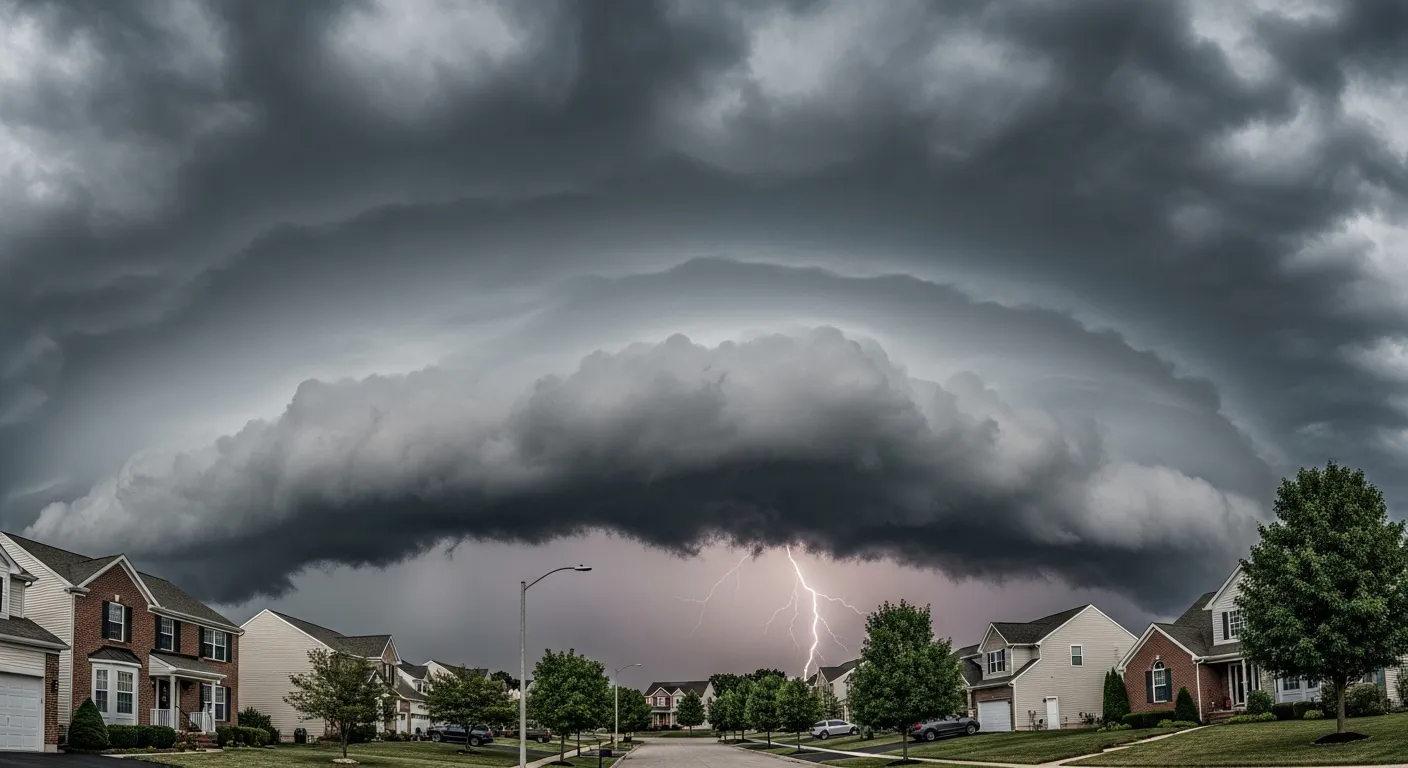
Wind Damage: Prevention and Protection
Straight-line winds from severe thunderstorms are the most common cause of summer roof damage in Northern Virginia. These winds can exceed 70 mph during intense storms, with microbursts reaching even higher speeds in localized areas.
How Wind Damages Your Roof
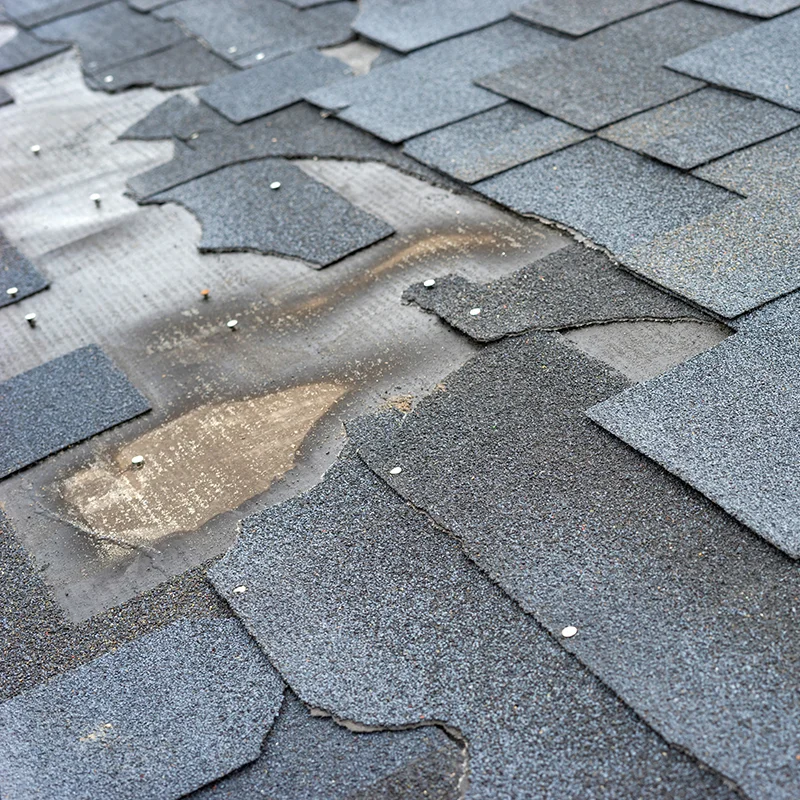
Wind creates uplift pressure on roof surfaces, particularly at edges, corners, and ridgelines where air flow creates suction forces. Shingles are most vulnerable at their edges and tabs, where wind can break the adhesive seal and peel them back or tear them away entirely. Once a single shingle lifts, the exposed area creates greater uplift on surrounding shingles, causing cascading damage across the roof. Damaged roof flashing and loose ridge caps are also common wind damage results.
Wind Prevention Strategies
Ensuring your shingles are properly installed with adequate fasteners is the best wind prevention measure. Architectural shingles with their heavier weight and layered design resist wind better than three-tab shingles. Roofing manufacturers rate shingles for wind resistance, with premium products handling sustained winds of 110 to 130 mph. If you're planning a roof replacement, choosing wind-rated shingles provides long-term storm protection.
Regular maintenance also prevents wind damage. Loose shingles, lifted edges, and deteriorated sealant strips should be repaired before storm season. A pre-season professional inspection identifies vulnerabilities that could lead to wind damage during summer storms.
Hail Damage: Identification and Prevention
While less frequent than wind damage, hail can devastate a roof in a single storm. Northern Virginia experiences hail-producing storms several times each summer, with stones ranging from pea-sized to occasionally golf ball-sized or larger.
- Bruised shingles - Hail impacts compress shingle fibers and dislodge granules, creating soft spots that accelerate wear
- Cracked shingles - Larger hailstones can crack shingles outright, exposing underlayment to water
- Dented flashing - Metal flashing and vents show visible dent marks that may compromise their sealing ability
- Damaged gutters - Aluminum gutters dent easily and may develop leaks at impact points
- Broken skylights - Hail can crack or shatter skylight glazing, creating immediate water entry
Impact-resistant shingles rated Class 3 or Class 4 by UL 2218 standards offer significantly better protection against hail. These shingles use modified asphalt or polymer reinforcement to absorb impacts without cracking. Many insurance companies offer premium discounts for homes with impact-resistant roofing, offsetting the higher material cost. Explore the best roofing materials for storm resistance in our detailed guide.
Tree Damage Prevention
Reston's extensive tree canopy is one of the community's most valued features, but during summer storms, trees become one of the greatest threats to residential roofs. Falling branches, uprooted trees, and even constant rubbing of branches against shingles can cause significant damage.
Regular Tree Maintenance
Proactive tree care is essential for protecting your roof. Maintain at least a six-foot clearance between all tree branches and your roof surface. Remove dead, diseased, or structurally compromised branches that could break during high winds. Pay special attention to trees that lean toward your home or have split trunks that may fail during storms.
Professional Arborist Assessment
Consider having a certified arborist evaluate large trees near your home every two to three years. Arborists can identify internal decay, root problems, and structural weaknesses not visible to homeowners. Their expertise helps you decide which trees need pruning, cabling, or removal to protect your property during storms.
After-Storm Tree Concerns
If a tree or large branch falls on your roof during a storm, do not attempt to remove it yourself. The weight may be holding damaged sections together, and improper removal can cause further damage or collapse. Contact a professional roofing contractor and tree service to coordinate safe removal and emergency roof repairs. Document the damage with photos for your insurance claim before any work begins.
Storm Damage Prevention Costs in Northern Virginia
Prices shown are typical ranges for Northern Virginia as of 2026 and vary based on home size, material grade, site access, and current material costs. Contact us for a free on-site estimate.
Pre-Storm Season Roof Preparation
Taking proactive steps before storm season starts dramatically reduces your risk of damage. Complete these preparation tasks by late May or early June to enter summer storm season with confidence:
Professional Inspection: Schedule a comprehensive roof inspection in late spring. A trained roofer identifies loose shingles, deteriorated sealant, damaged flashing, and other vulnerabilities before storms exploit them. This single step prevents more damage than any other preparation measure.
Repair All Existing Damage: Address every issue found during inspection before storm season. A missing shingle in calm weather becomes a major leak during a downpour. Compromised flashing that barely seeps in light rain may fail catastrophically under wind-driven rain. Complete all necessary roof repairs promptly.
Clean Gutters and Downspouts: Spring pollen, seeds, and debris accumulate in gutters quickly. Clean them thoroughly before summer rains begin. Clogged gutters during heavy storms cause water backup under roof edges, damaging fascia and potentially entering your home. Our gutter cleaning services prepare your drainage for summer downpours.
Secure Loose Items: Patio furniture, decorative items, and yard equipment become projectiles in high winds. Store or secure these items before storms arrive to prevent them from impacting your roof or siding.
During the Storm: Safety First
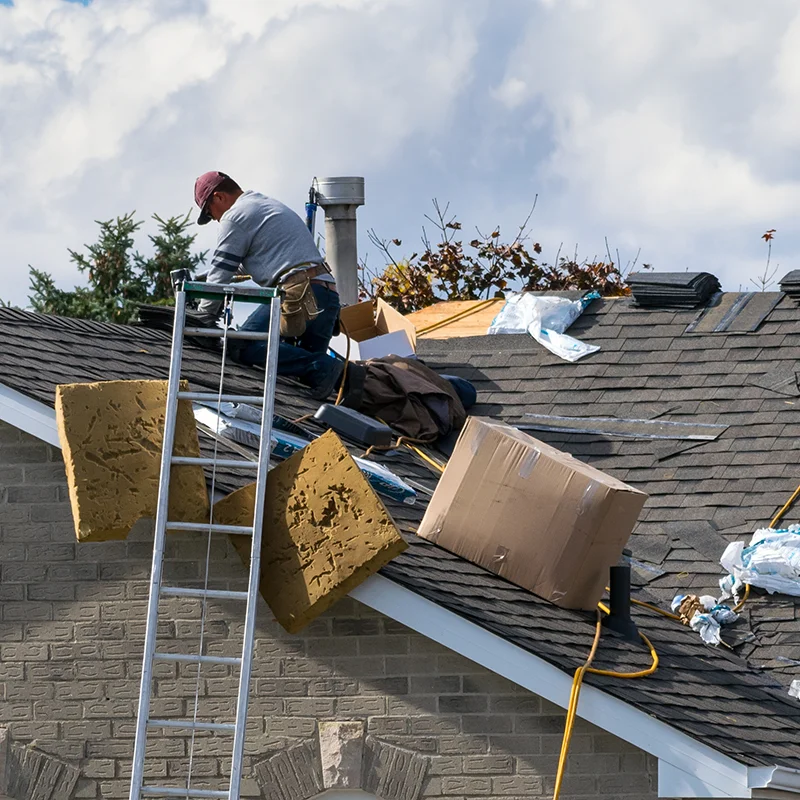
When severe weather hits, your safety and your family's safety take absolute priority over property concerns. Never go on your roof during or immediately after a storm. Wait until conditions are completely safe before assessing damage.
Monitor Weather Alerts: Sign up for Fairfax County emergency alerts and the National Weather Service warnings for Northern Virginia. These provide advance notice of approaching severe weather, giving you time to bring in outdoor items and move vehicles to protected areas.
Know Your Safe Room: Identify the safest interior room in your home, ideally on the lowest floor away from windows. During tornado warnings or extreme wind events, this room provides the best protection for your family.
Manage Interior Leaks: If your roof begins leaking during a storm, place buckets to catch water and move valuable items away from the leak area. Do not attempt to access the attic during active lightning. Document the leak with photos and video for insurance purposes once it's safe to do so.
After the Storm: Assessment and Response
Once the storm passes and conditions are safe, a systematic assessment helps you identify damage and take appropriate action quickly.
Immediate Ground-Level Assessment
Walk around your property looking for obvious damage including missing shingles on the ground, dented gutters, broken branches on the roof, displaced flashing, and any structural deformation. Check for shingle granules washed into gutters or accumulated at downspout outlets, which indicates shingle surface damage. Document everything you observe with photographs.
Schedule Professional Inspection
Even if you don't see obvious damage, schedule a professional inspection after any significant storm. Hail damage and wind-lifted shingles are often invisible from the ground but compromise your roof's waterproofing. Professional inspectors identify damage that manifests as leaks weeks or months later if left unaddressed. Learn about storm damage roof repair options available in Reston.
Emergency Temporary Repairs
If your roof sustains visible damage and rain is forecast, temporary weatherproofing prevents further water intrusion. Professional roofers can install temporary tarps and patches to protect exposed areas until permanent repairs can be completed. Attempting DIY temporary repairs on a damaged roof is dangerous and should be avoided. Our emergency roof leak repair guide explains what to do while waiting for professional help.
Storm Damage Insurance Claims
Understanding the insurance claims process before you need it saves time and stress when storm damage occurs. Most homeowner's policies cover sudden storm damage, though coverage details vary by policy.
- Document damage immediately - Take extensive photos and videos of all visible damage before cleanup
- Contact your insurer promptly - Most policies require timely reporting, often within 24-72 hours
- Make temporary repairs only - Protect your home from further damage but don't make permanent repairs before the adjuster visits
- Get a professional estimate - Have your roofing contractor provide a detailed damage assessment and repair estimate
- Be present for adjuster visits - Walk the property with the adjuster to ensure all damage is noted
- Keep all receipts - Document costs for emergency repairs, temporary accommodations, and damaged belongings
Reston Roofing works with all major insurance companies and can assist with the documentation and claims process. Our detailed assessments help ensure your claim accurately reflects the full scope of storm damage. Learn more about roofing insurance coverage and the claims process.
Storm-Resistant Roofing Upgrades
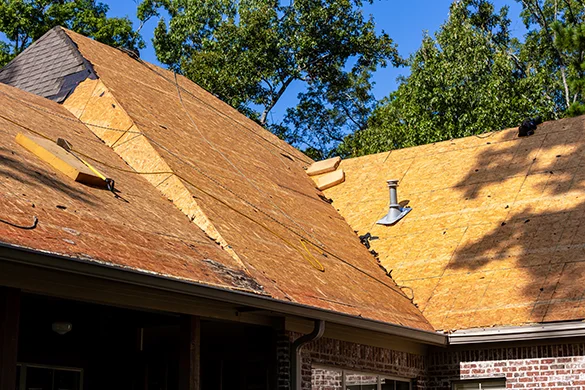
If your roof is due for replacement or has sustained repeated storm damage, upgrading to storm-resistant materials provides lasting protection and potential insurance savings.
Impact-Resistant Shingles: Class 4 impact-resistant shingles withstand two-inch hailstones and offer superior wind resistance. The modest additional cost compared to standard shingles is often offset by insurance premium reductions of 10 to 28 percent.
Metal Roofing: Standing seam metal roofing offers exceptional wind resistance rated to 140 mph or higher. Metal panels are virtually impervious to hail damage and won't blow off in high winds when properly installed. Their longevity of 40 to 70 years means fewer replacements over your home's lifetime.
Enhanced Installation Methods: Six-nail patterns instead of four-nail patterns significantly improve shingle wind resistance. Starter strips with enhanced adhesive and properly installed drip edges complete a wind-resistant installation system that holds up during severe storms.
Frequently Asked Questions
How soon after a storm should I get my roof inspected?
Schedule an inspection within one to three days after a significant storm. Prompt inspection identifies damage before the next rain event causes additional water intrusion. During widespread storm events, roofing companies experience high demand, so calling early ensures faster scheduling.
Will my insurance cover all storm damage repairs?
Most homeowner's policies cover sudden storm damage, but you'll pay your deductible. Some policies exclude certain damage types or limit coverage in specific ways. Review your policy before storm season to understand your coverage. Your roofing contractor can help document damage to support your claim.
Can storm damage be repaired, or does the whole roof need replacement?
Many storm damage situations require only localized repairs. If damage is limited to a specific area and the rest of your roof is in good condition, targeted repairs are typically appropriate. However, widespread damage across the entire roof, especially on roofs already past their mid-life, may warrant full roof replacement covered by insurance.
How do I prevent storm chasers from scamming me after a storm?
Beware of door-to-door solicitors offering free inspections or immediate repairs after storms. Reputable contractors don't pressure homeowners for immediate decisions. Always verify licensing, insurance, and references. Work with established local contractors like Reston Roofing who have verifiable track records in the community.
Is there anything I can do to strengthen my existing roof against storms?
Yes, several upgrades improve storm resistance without full replacement. Reinforcing existing shingle adhesion with compatible roofing cement, replacing damaged or deteriorated edge and ridge shingles, and ensuring adequate fastener patterns all improve performance. A professional assessment identifies the most effective improvements for your specific roof system.
Protect Your Home This Storm Season
Summer storms are inevitable in Northern Virginia, but significant roof damage doesn't have to be. Proactive preparation, quality materials, and professional maintenance dramatically reduce your risk and ensure quick recovery when storms do cause damage.
Reston Roofing provides comprehensive storm preparation services, emergency response, and expert repairs for homeowners throughout Reston, Herndon, Vienna, Oakton, Fairfax, and all of Northern Virginia. Our team responds quickly to storm emergencies and works with your insurance company to ensure fair claim resolution.
Call us today at (571) 453-6515 or schedule a consultation online. Be prepared before the next storm hits with a professional roof assessment from Reston Roofing.