Asphalt Roof Repair 101: Fixing Common Shingle Issues in Northern Virginia
Asphalt shingles protect roughly 80 percent of all residential roofs across Fairfax County, Loudoun County, and the broader Northern Virginia region. They deliver reliable performance at a price point that makes them the default choice for homeowners from Reston and Herndon to Springfield and Centreville. But even the best asphalt shingle roof takes a beating from Northern Virginia's climate, and eventually every homeowner faces the question of whether to repair or replace.
Learning the fundamentals of asphalt roof repair helps you catch problems before they become expensive emergencies, extend your roof's service life by years, and make informed decisions when working with roofing contractors. This guide covers everything Northern Virginia homeowners need to know about identifying common asphalt shingle problems, understanding repair costs, deciding between DIY fixes and professional work, and timing repairs for the best results in our mid-Atlantic climate.
Why Asphalt Roof Repair Matters for Northern Virginia Homes
Small roofing defects that seem harmless at first glance can escalate into serious structural problems within a single storm season. A lifted shingle tab exposes the underlayment beneath it. A hairline crack allows water to reach the roof decking. A failed pipe boot sends moisture directly into the attic insulation. Each of these problems starts small but compounds quickly when Northern Virginia delivers back-to-back thunderstorms in July or a winter ice event that traps water beneath the shingle surface for days.
Timely asphalt roof repair keeps water moving off the roof surface and into the gutter system where it belongs. It preserves the underlayment and ice shield that serve as your secondary water barrier. It maintains the manufacturer warranty eligibility that protects your investment. And it prevents the kind of cascading moisture damage that turns a $400 shingle repair into a $4,000 decking replacement with mold remediation. Homes throughout Reston, Herndon, Fairfax, and Sterling face these same risks, and proactive repair is always more cost-effective than reactive emergency work.
Signs Your Asphalt Roof Needs Repair
Catching damage early is the single most effective way to keep asphalt roof repair costs low and prevent secondary water damage inside your home. Northern Virginia homeowners should inspect their roofs visually from ground level at least twice a year, ideally in early spring after winter weather and again in late fall before the first freeze. Here are the warning signs that indicate your roof needs attention.
Exterior Warning Signs
Look for shingle edges that lift in the wind, tabs that curl at the corners, or cracks that expose the fiberglass mat beneath the granule surface. Check gutters and downspouts for heavy granule buildup, which signals accelerated aging as shingles shed their protective coating. From the ground, scan valleys and ridges for uneven lines that could indicate nail pops or loose ridge caps. Dark streaks running vertically down the roof surface suggest algae growth, which is common on north-facing slopes in Reston's wooded neighborhoods around Lake Anne and North Point. Missing shingles leave obvious gaps that allow water infiltration with every rainfall.
Interior Warning Signs
Inside the attic, inspect the sheathing for dark water stains that appear after rainfall. Watch for rusty nail tips protruding through the decking, which indicate condensation problems that weaken the wood over time. Check for daylight visible through the roof boards, which means shingles and underlayment have been compromised. On ceilings below the attic, brown water stains, peeling paint, and bubbling drywall all point to active leaks that demand immediate attention. These interior clues often reveal damage that isn't visible from outside, making attic inspections critical for catching problems before they spread. Learn more about the 9 signs your roof needs repair to identify issues early.
Common Asphalt Shingle Problems and Repair Solutions
Asphalt shingles face a combination of stress factors unique to Northern Virginia's climate: intense UV radiation during 200-plus sunny days per year, humidity levels between 65 and 75 percent during summer, freeze-thaw cycles that number 40 to 60 between November and March, and storm winds that regularly exceed 60 mph. Understanding how these forces damage shingles helps you respond quickly before small problems become major repairs.
Cracked and Brittle Shingles
Years of UV exposure and thermal cycling cause asphalt shingles to lose their flexibility and develop cracks through the fiberglass mat. This is especially common on south-facing and west-facing slopes that receive the most direct sunlight. Cracked shingles allow water to reach the underlayment and decking beneath. The repair involves carefully removing the damaged shingles, inspecting the underlayment for moisture damage, and installing replacement shingles that match the existing system by brand, color, and weight class. For isolated cracking on shingles that are otherwise in good condition, applying roofing sealant to the cracks can extend their service life by two to three years.
Lifted and Curling Shingles
Wind-lifted shingles lose the adhesive bond that holds their tabs flat against the shingle course below. Once a shingle lifts, wind catches the exposed edge and accelerates the damage with each subsequent storm. Curling occurs at the shingle edges and corners as the asphalt binder dries out over time, creating channels where water can travel beneath the shingle surface. Resealing lifted shingles with manufacturer-approved roofing cement and securing the nail pattern restores the weather barrier. Severely curled shingles with brittle edges need full replacement rather than resealing.
Granule Loss and Weathering
The ceramic granules embedded in asphalt shingles serve as the first line of defense against UV radiation. As granules wash away over time, the exposed asphalt binder deteriorates rapidly, accelerating the aging process. Light granule loss is normal during the first year after installation and after heavy rain events. Heavy, persistent granule loss that fills gutters with gritty residue after every rainstorm indicates the shingles are reaching the end of their protective capacity. If granule loss is widespread across multiple slopes, it typically signals that roof replacement is a better investment than attempting to repair individual shingles.
Nail Pops and Flashing Failures
Nail pops occur when roofing nails back out of the decking due to thermal expansion and contraction of the wood underneath. Each popped nail creates a small puncture through the shingle that allows water directly into the roof assembly. Resetting nails, sealing the original holes with roofing mastic, and driving new nails into solid decking material corrects the problem. Damaged flashing around chimneys, walls, skylights, and plumbing vents accounts for a significant percentage of all roof leaks in Northern Virginia homes. Correcting flashing failures requires removing the surrounding shingles, installing new step flashing or counter flashing with proper overlap, and reinstalling the shingles with correct nail placement. For detailed guidance, read our roof flashing repair guide.
Pipe Boot and Ridge Cap Wear
Rubber pipe boots around plumbing vents crack and split after 10 to 15 years of UV exposure, creating a direct path for water to enter the roof system. Replacing a pipe boot is one of the fastest and most affordable asphalt roof repairs available, typically costing $150 to $350 per boot including labor and materials. Ridge cap shingles along the roof peak and hip cap shingles along hip ridges wear faster than field shingles because they receive wind and UV exposure from multiple directions. Replacing ridge caps before they fail prevents water from entering the highest point of your roof structure.
Asphalt Roof Repair Costs in Northern Virginia
Understanding realistic repair costs for the Northern Virginia market helps you budget appropriately and evaluate contractor quotes. Labor rates in Fairfax County, Loudoun County, and the greater Reston area run 15 to 25 percent above national averages due to higher demand, licensing requirements, and the cost of doing business in the DC metro region.
| Repair Type | Cost Range (NOVA) | Typical Duration |
|---|---|---|
| Single shingle replacement (1-5 shingles) | $150 - $400 | 1 - 2 hours |
| Pipe boot replacement | $150 - $350 | 1 - 2 hours |
| Small leak patch and seal | $250 - $750 | 2 - 4 hours |
| Ridge cap replacement | $400 - $1,200 | Half day |
| Flashing repair or replacement | $500 - $1,500 | Half day to full day |
| Valley rework | $800 - $2,500 | 1 - 2 days |
| Partial slope repair (one section) | $1,500 - $4,000 | 1 - 2 days |
| Storm damage repair (multiple areas) | $2,500 - $6,000+ | 2 - 4 days |
Prices reflect typical ranges for Northern Virginia as of 2026 and vary based on roof pitch, accessibility, material matching requirements, and the extent of underlying damage discovered during repair. Contact us for a free on-site estimate specific to your home.
Step-by-Step Approach to Asphalt Roof Repair
Whether you are tackling a minor repair yourself or evaluating a contractor's work, understanding the proper repair process helps you ensure quality results that last.
Inspection and Documentation
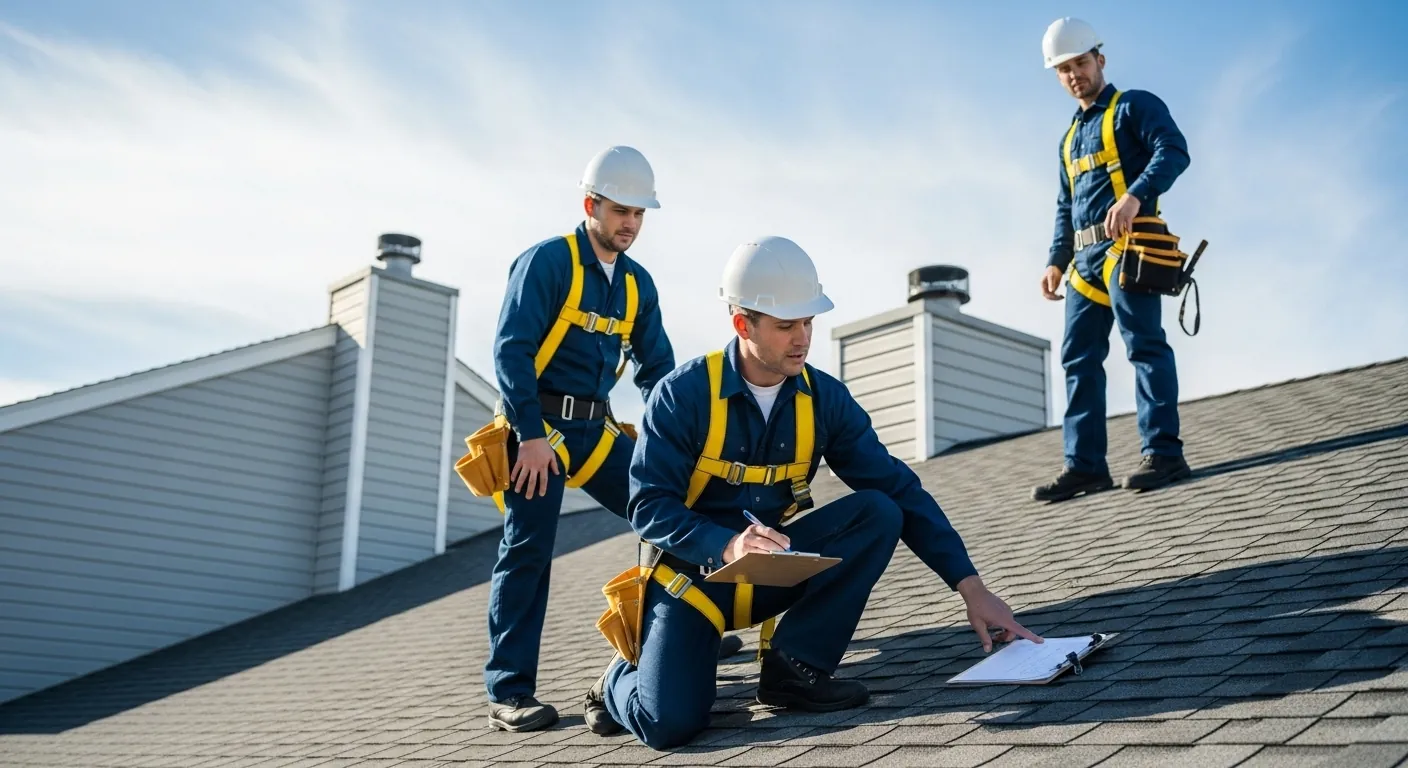
Start with a thorough inspection from both outside and inside the attic. Take clear photos of each damaged area and note its location by slope and reference points such as chimneys, vents, or dormers. Document the extent of granule loss, any lifted or curled shingles, and the condition of flashing at all transitions. This documentation serves as the basis for repair planning and is essential for insurance claims if storm damage is involved.
Material Matching
Gather replacement materials that match the existing system by manufacturer, product line, color family, and weight class. Mismatched shingles are visually obvious and may not interlock properly with the surrounding courses. If your roof is 10 or more years old, the original shingle color may have been discontinued. In that case, your contractor should identify the closest available match and blend the repair area by pulling existing weathered shingles from a less visible slope and using the new shingles in that hidden location.
Removal and Replacement
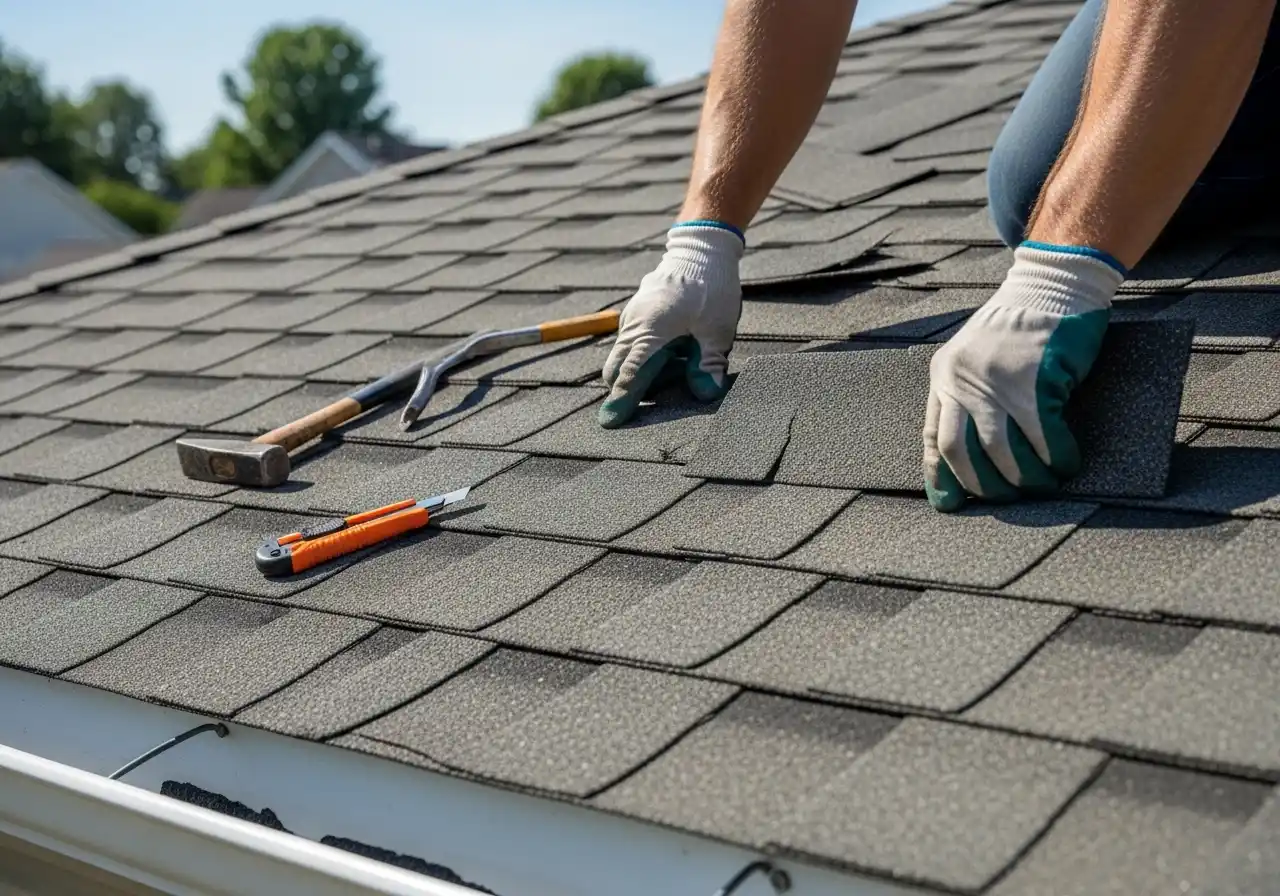
Remove damaged shingles carefully using a flat pry bar to avoid damaging the surrounding courses. Inspect the underlayment and decking beneath for moisture damage, rot, or mold. Replace any compromised decking material before installing new shingles. Slide replacement shingles into position with proper starter alignment, follow the manufacturer's specified nailing pattern with four to six nails per shingle depending on the wind zone, and seal tabs with approved adhesive. Ensure nails penetrate the decking by at least three-quarters of an inch but do not overdrive through the shingle face. Clean the work area and inspect from ground level to confirm the repair blends with the surrounding roof surface.
DIY vs Professional Asphalt Roof Repair
The decision between handling asphalt roof repair yourself and hiring a professional depends on the scope of the work, the pitch of your roof, your comfort with heights, and your understanding of proper installation techniques.
DIY repairs make sense for small tasks like resealing a single lifted tab, replacing one or two individual shingles on a low-pitch roof, or swapping out a cracked pipe boot. These jobs require basic tools, a stable ladder, proper safety equipment, and confidence working at roof height. If you have experience and the right conditions, handling these minor repairs yourself can save $200 to $500 in labor costs.
Professional repair is the right call for valley rework, flashing replacement, ridge cap installation, any work on roofs steeper than a 6:12 pitch, and any repair involving more than a dozen shingles. Licensed contractors diagnose the source of leaks rather than just addressing symptoms, complete repairs according to manufacturer specifications that protect your warranty, and carry liability insurance that protects you if something goes wrong during the work. Learn more about when to call roofing repair specialists versus tackling it yourself.
Northern Virginia Weather and Seasonal Repair Timing
Northern Virginia's climate creates specific challenges for asphalt roof repair that homeowners in other regions don't face. Understanding how local weather patterns affect repair quality and timing helps you plan work that lasts.
Spring and Fall: The Optimal Repair Window
Temperatures between 45 and 85 degrees Fahrenheit provide the ideal conditions for asphalt roof repair. In this range, shingles remain flexible enough to handle without cracking, sealant strips activate properly under moderate heat, and roofing cement cures at the correct rate. Spring months from mid-March through May and fall months from September through mid-November offer the most consistent conditions for quality repair work in Northern Virginia.
Summer Challenges
Northern Virginia's summer heat pushes roof surface temperatures above 160 degrees Fahrenheit on dark-colored shingles. At these temperatures, shingles become soft and vulnerable to scuffing from foot traffic and tool contact. The sealant strips that bond shingle tabs together can overactivate, making it difficult to lift and replace individual shingles without damaging the surrounding courses. Summer repairs are possible but require early morning scheduling before the roof surface heats up.
Winter Limitations
Cold temperatures below 40 degrees Fahrenheit make asphalt shingles brittle and prone to cracking during handling. Sealant strips will not activate in cold weather, which means repaired shingles may not bond properly until spring warmth arrives. Winter repairs should be limited to emergencies like active leaks or storm damage where temporary protection is needed to prevent further water infiltration. After major storms, including ice events common along the Dulles corridor and throughout Fairfax County, schedule an inspection promptly regardless of the season to catch damage before the next precipitation event.
Ventilation, Insulation, and Long-Term Roof Health
Proper attic ventilation and insulation work together to extend the lifespan of your asphalt shingles and reduce the frequency of repairs. Virginia code requires a minimum ventilation ratio of 1:150, reducible to 1:300 with balanced intake and exhaust. Inadequate ventilation causes summer heat to build up in the attic space, baking shingles from below and accelerating granule loss, curling, and binder degradation.
In winter, poor ventilation traps warm, moist air in the attic, which condenses on the cold underside of the roof decking and creates conditions for mold growth, nail corrosion, and wood rot. Ice dams form when attic heat melts snow on the upper roof surface, and the meltwater refreezes at the cold eaves. Homes along Hunter Mill Road in Oakton and the established neighborhoods near Vienna town center are particularly vulnerable to ice dams because many were built before current insulation standards were adopted.
During any asphalt roof repair, verify that soffit baffles keep insulation from blocking soffit vents, that bathroom and dryer vents discharge outdoors rather than into the attic, and that ridge vent or powered exhaust ventilation provides adequate airflow. Good attic conditions support every repair you make on the roof surface and reduce the likelihood of premature shingle failure. For more preventive strategies, read our guide on how to extend the lifespan of your roof.
Insurance and Storm-Related Asphalt Roof Repairs
Northern Virginia experiences severe thunderstorms, remnants of tropical systems, and occasional derecho events that cause widespread roof damage across the region. After high wind or hail, document the condition of your shingles, flashing, gutters, and siding with time-stamped photos from multiple angles. Note any debris on the roof, missing shingles, or visible damage to ridge caps and valley areas.
Most Virginia homeowners insurance policies cover roof damage caused by sudden and accidental events including wind, hail, fallen trees, and lightning. Normal wear and tear, deferred maintenance, and pre-existing conditions are excluded from coverage. File your claim promptly, as most policies require notification within a specific timeframe after the damage occurs.
A professional inspection from Reston Roofing includes detailed photos, a written scope of repair work, and an itemized estimate that aligns with the format insurance adjusters use for claim processing. We provide temporary protection when needed while claims are reviewed, preventing additional water damage during the adjuster evaluation period. Our team works directly with your insurance company to ensure fair claim settlements for Northern Virginia homeowners. Read our detailed roof insurance claims guide for Fairfax County for step-by-step filing instructions.
Preventive Maintenance That Extends Shingle Life
Consistent preventive maintenance is the most cost-effective way to delay major asphalt roof repairs and maximize your roof's total service life. These maintenance tasks cost little compared to the repairs they prevent.
Keep gutters and downspouts clear so water does not back up under the first shingle course at the eaves. Trim tree branches to maintain at least six feet of clearance from the roof surface, reducing abrasion damage and leaf buildup that traps moisture. Remove moss and algae gently with roof-safe cleaning solutions and a soft brush. Avoid pressure washing because high-pressure water strips protective granules from the shingle surface and accelerates aging.
Schedule professional inspections in spring and fall to catch developing problems before the next severe weather season. A qualified roofer can identify issues that aren't visible from ground level, including early-stage nail pops, flashing separation, and underlayment deterioration beneath the shingle surface. These inspections typically cost $150 to $300 and often save thousands in avoided emergency repairs.
Repair vs Replace: Making the Right Decision
Knowing when to repair and when to replace your asphalt roof saves money and prevents the frustration of investing in repairs on a roof that needs full replacement. Targeted asphalt roof repair makes sense when damage is limited to one or two areas, your roof is under 15 years old, the shingles across the rest of the roof are lying flat with good granule coverage, and the underlayment and decking are sound.
Full replacement becomes the better investment when cracking, granule loss, curling, and leaks appear across multiple slopes. A roof approaching 20 to 25 years of age in Northern Virginia's climate has likely consumed most of its useful life even if it doesn't show obvious damage from ground level. Replacement allows you to install upgraded underlayment, ice and water shield at eaves and valleys, modern starter strip and drip edge systems, and balanced ventilation that are difficult or impossible to add during piecemeal repairs. Understanding roof replacement costs in Northern Virginia helps you compare the long-term value of repair versus replacement for your specific situation.
Frequently Asked Questions
How much does asphalt roof repair cost in Northern Virginia?
Minor asphalt roof repairs in Northern Virginia typically cost $250 to $750, including patching small leaks or replacing a handful of damaged shingles. Mid-range repairs such as valley rework or flashing replacement run $750 to $2,500. Major repairs involving multiple slopes, decking replacement, or extensive storm damage can range from $2,500 to $6,000 or more. Northern Virginia labor rates run 15 to 25 percent above national averages due to higher demand and permitting requirements in Fairfax and Loudoun counties.
Can I repair my asphalt roof myself or should I hire a professional?
Small tasks like resealing a single lifted shingle tab or replacing one pipe boot are manageable for experienced DIYers with proper safety equipment. However, valley repairs, flashing replacement, widespread cracking, or any work on roofs steeper than a 6:12 pitch should be handled by a licensed roofing contractor. Professional repairs protect your manufacturer warranty and ensure compliance with Virginia building codes. Incorrectly installed shingles can void your warranty and lead to hidden water damage that costs far more to fix later.
How do I know if my asphalt roof needs repair or full replacement?
If damage is limited to one or two areas and your roof is under 15 years old, targeted repair is usually the right choice. When cracking, granule loss, curling, or leaks appear across multiple slopes, or your roof is approaching 20 to 25 years old, full replacement often provides better long-term value. A professional inspection from a certified roofer can identify hidden damage beneath the shingle surface and help you make an informed decision based on the roof's overall condition.
What time of year is best for asphalt roof repair in Northern Virginia?
Spring and fall offer the best conditions for asphalt roof repair in Northern Virginia. Mild temperatures between 45 and 85 degrees Fahrenheit allow shingle sealant strips to activate properly and roofing cement to cure correctly. Summer repairs are possible but extreme heat can soften shingles and make them vulnerable to scuffing. Winter repairs should be limited to emergencies because cold shingles become brittle and crack easily during handling. After major storms, schedule an inspection promptly regardless of the season to catch damage before the next rainfall.
Does homeowners insurance cover asphalt roof repair in Virginia?
Most Virginia homeowners insurance policies cover asphalt roof repair for sudden and accidental damage caused by wind, hail, fallen trees, or other covered perils. Normal wear and tear, deferred maintenance, and cosmetic damage are typically excluded. Document damage with time-stamped photos immediately after a storm event and file your claim promptly. A professional roofer can provide a detailed inspection report and repair estimate that supports your insurance claim. Reston Roofing works directly with insurance adjusters to ensure fair claim settlements for Northern Virginia homeowners.
Schedule Expert Asphalt Roof Repair with Reston Roofing
Whether you need a careful inspection after a recent storm, a fast leak fix before the next rainfall, or honest guidance on whether to repair or replace your aging asphalt roof, Reston Roofing is ready to help. Our team follows manufacturer installation standards, documents every step of the repair process, and leaves your property clean when the work is complete.
We provide comprehensive roof repair services throughout Northern Virginia, including specialized work on flat roofs, metal roofing systems, and traditional asphalt shingle roofs. Serving homeowners across Reston, Herndon, Fairfax, Sterling, Oakton, Vienna, Great Falls, and surrounding communities, we deliver quality workmanship backed by written warranties on every project.
Call us today at (571) 453-6515 or schedule a consultation online. We'll inspect your roof, provide a detailed repair estimate, and help you protect your home in every season.