Choosing a Flat Roofing Company: 5 Expert Tips for Finding Flat Roof Specialists in Northern Virginia
Flat roofs demand precise workmanship, specialized materials, and a well-planned maintenance strategy that most general roofing contractors simply cannot deliver. Selecting a qualified flat roofing company is one of the most consequential decisions you can make for your commercial or residential property in Northern Virginia. Unlike pitched roofs that shed water through gravity and overlapping shingles, flat systems rely on engineered drainage, heat-welded or adhesive-bonded seams, and carefully detailed flashing to keep water out. A single installation error on a flat roof can allow moisture to travel unseen across the entire roof deck, damaging insulation, structural decking, and interior finishes before any visible stain appears on your ceiling.
Northern Virginia's climate makes flat roof contractor selection even more critical. The region's freeze-thaw cycles stress membrane seams and adhesives throughout winter. Summer temperatures regularly push roof surface temperatures above 150 degrees Fahrenheit, accelerating UV degradation on membranes that aren't properly specified for the mid-Atlantic climate. Heavy thunderstorms drop two or more inches of rain in under an hour during spring and summer, testing drainage systems to their limits. Properties across Reston, Herndon, Fairfax, Sterling, and the broader NOVA area need flat roofing contractors who understand these local conditions and build their systems to handle them.
This guide walks you through five essential tips for evaluating and selecting a flat roofing company that delivers lasting results. Whether you're managing a commercial building along the Dulles corridor, maintaining a townhome community in Reston, or repairing a flat section on your residential property in Herndon, these criteria help you identify contractors who do the work right the first time.
Why Choosing the Right Flat Roofing Company Matters More Than Price
Flat roofing systems operate on fundamentally different principles than sloped roofs. Instead of shedding water quickly through gravity and overlapping courses, flat roofs rely on membrane integrity, engineered slope, and sealed penetrations to prevent water infiltration. A poorly installed flat roof can allow moisture to travel laterally across the entire roof assembly, saturating insulation and rotting decking across areas far larger than the original breach point.
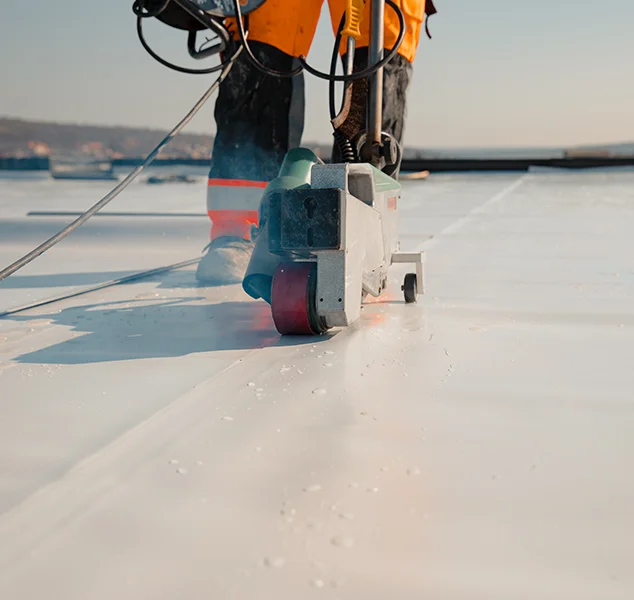
The consequences of hiring an unqualified contractor extend beyond immediate leaks. Improperly welded TPO seams that pass initial visual inspection can fail within two to three years when thermal cycling weakens inadequate welds. EPDM adhesive failures on improperly primed surfaces create bubbles and fish-mouths that admit water during wind-driven rain. PVC membranes installed without adequate heat welding lose their chemical-resistant properties at seam locations. Each of these failures costs thousands to remediate and often requires partial or complete membrane replacement rather than simple patching.
A skilled flat roofing company follows a systematic process covering substrate preparation, insulation specification, membrane selection, seam execution, flashing detailing, and drainage verification. Working with flat roof roofers who specialize in these systems provides the expertise needed for results that hold up through Northern Virginia's demanding four-season climate. The difference between a five-year roof and a thirty-year roof often comes down to the contractor's expertise and attention to detail during installation.
Tip 1: Verify Flat Roof Experience and Material Certification
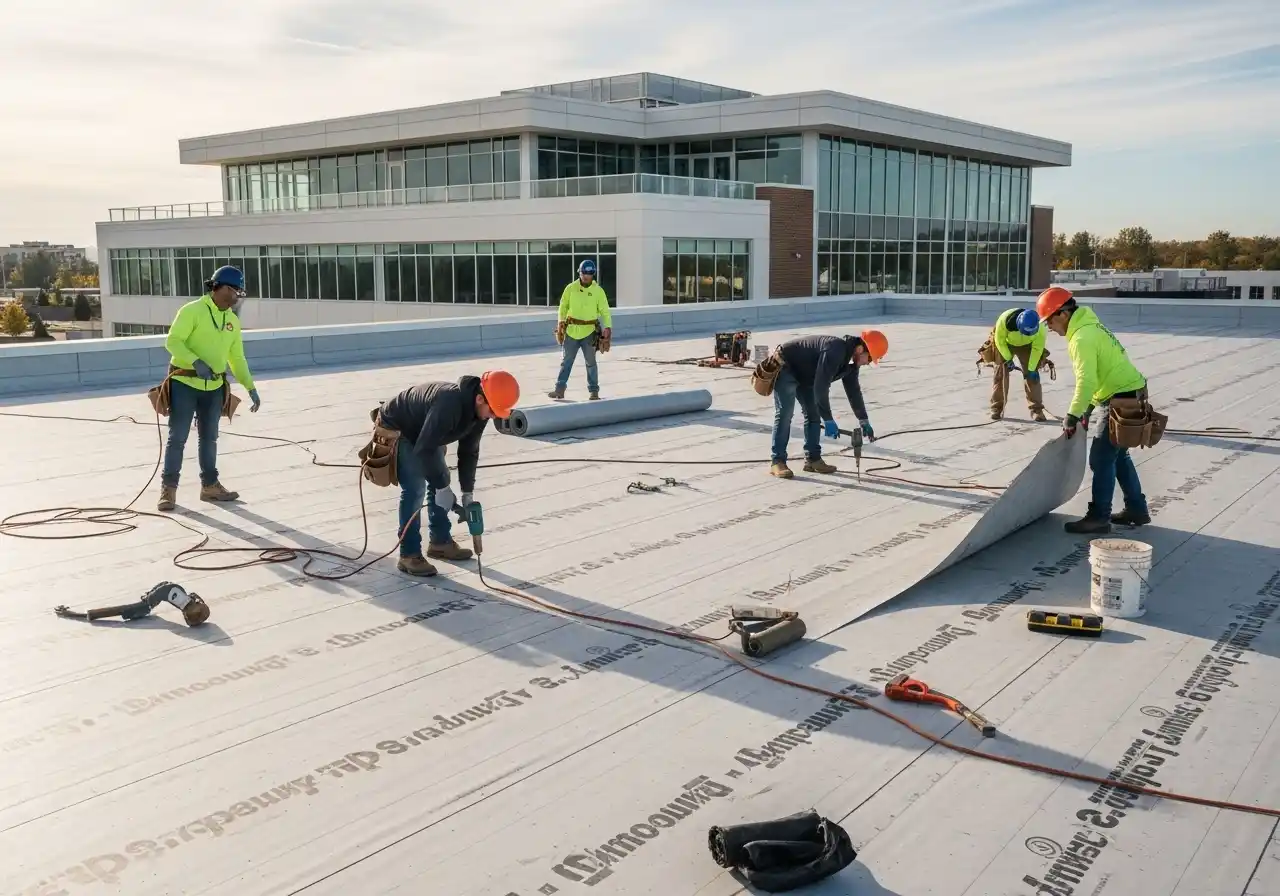
The single most important qualification for any flat roofing company is documented experience with the specific membrane system your project requires. Ask how many TPO, EPDM, PVC, and modified bitumen projects they have completed in the past three years. Request project references for buildings similar to yours in size, complexity, and membrane type. A contractor who installs 50 flat roofs per year operates at a fundamentally different skill level than one who handles two or three between residential shingle jobs.
Manufacturer certifications matter because they verify that the contractor has completed training on proper installation techniques for specific products. GAF, Carlisle, Firestone, Johns Manville, and Sika all offer contractor certification programs that require documented training, field inspections, and minimum volume requirements. Certified contractors can offer manufacturer-backed warranties that cover both materials and workmanship, while uncertified installers can only offer their own labor warranty, which is worthless if the company closes or refuses to honor claims.
A professional flat roofing company will explain why they recommend certain materials for your specific building. They should discuss how they weld or seal seams, what flashing methods they use at parapets, skylights, HVAC curbs, and plumbing vents, and how they handle transitions between flat and sloped roof sections. Contractors with deep experience in TPO roofing, EPDM systems, and PVC membranes can match the right system to your building's specific requirements, budget, and long-term performance goals.
Tip 2: Evaluate Drainage Design and Slope Engineering
Water management is the single most critical element of any flat roof system. A quality proposal should include detailed plans for scuppers, interior drains, crickets, tapered insulation systems, and overflow drainage. Poor drainage leads to ponding water, which accelerates UV degradation, weakens seam adhesion, adds structural load, and creates conditions where even minor membrane imperfections become active leaks.
Northern Virginia building codes require positive drainage on flat roofs, meaning water must flow toward drains and off the roof within 48 hours of rainfall. Achieving this on an existing building often requires tapered insulation systems that create engineered slope across the roof surface. A trustworthy flat roofing company will evaluate the existing roof slope using infrared moisture scans and physical measurements, identify low spots where water collects, and propose drainage solutions that eliminate ponding permanently.
Ask prospective contractors specifically how they plan to handle drainage on your building. If a contractor glosses over drainage planning or suggests that minor ponding is acceptable, that response tells you everything you need to know about their flat roof expertise. Ponding water is never acceptable on a properly designed flat roof system. The best contractors in the Reston, Herndon, and Fairfax market design drainage systems that move water off the roof efficiently even during the intense thunderstorms that regularly hit Northern Virginia during summer months.
Tip 3: Demand a Transparent Written Scope of Work
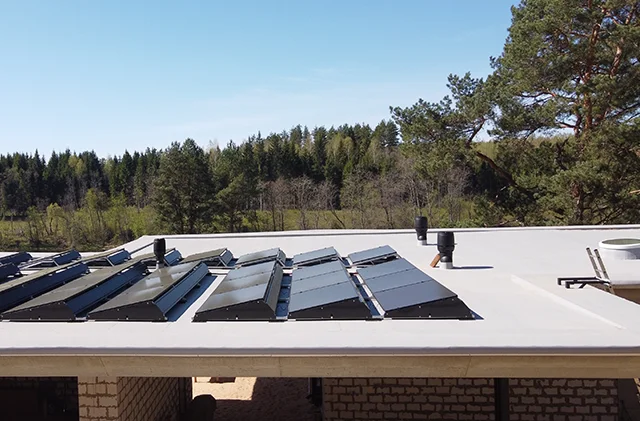
Clear, detailed documentation separates reliable flat roofing contractors from those who cut corners. A properly prepared scope of work should specify the membrane type and thickness, attachment method (mechanically fastened, fully adhered, or ballasted), insulation type and R-value, flashing metals and gauges, adhesives and sealants by product name, edge treatment details, and all penetration flashing methods.
The scope should also outline how existing roofing material will be removed and disposed of, what safety measures will be in place throughout the project, how the crew will protect landscaping, parking areas, and building interiors during work, and what quality control inspections will occur during installation. Projects on occupied commercial buildings should include a noise and disruption management plan that minimizes impact on tenants and business operations.
A strong written scope from a flat roofing company makes it possible to compare bids on equal terms. Without detailed scopes, you are comparing prices rather than value, which almost always leads to selecting the contractor who left out the most important details. This transparency is one of the key qualities that distinguish trusted roofing contractors from those who rely on vague proposals and verbal promises to win work.
Tip 4: Confirm Warranty Coverage and Ongoing Service Support
A professional flat roofing contractor stands behind their work with both manufacturer warranties and independent workmanship warranties. Ask specifically how long each warranty lasts, what maintenance steps are required to keep coverage valid, what types of damage are excluded, and how warranty claims are processed and resolved. The best flat roofing companies provide manufacturer-backed NDL (No Dollar Limit) warranties that cover both materials and labor for 15 to 30 years.
Beyond warranty paperwork, evaluate the contractor's commitment to post-installation service. Do they offer scheduled maintenance programs? Will they respond to emergency leak calls within 24 hours? Do they document the installation with photos and provide you with a complete project file including material specifications, warranty certificates, and as-built drawings? A dependable flat roofing company documents every step of the installation process, takes progress photos at critical milestones, and schedules a final walkthrough inspection with you before closing out the project.
For commercial properties in Northern Virginia, maintenance programs that include biannual inspections, drain cleaning, and minor repairs can extend roof life by 5 to 10 years beyond the membrane's baseline lifespan. Properties along the Dulles Toll Road corridor, in Reston Town Center, and throughout the Route 28 commercial district benefit particularly from proactive maintenance because the heavy tree canopy in these areas drops debris that clogs drains and traps moisture against membrane surfaces.
Tip 5: Assess Communication, Scheduling, and Project Management
Reliable flat roofing contractors communicate clearly from initial inquiry through project completion and beyond. They confirm appointments on time, explain timelines realistically, provide daily progress updates during installation, and keep you informed about weather delays or material delivery issues that affect the schedule. Ask how the crew will access the building each day, how debris and old materials will be managed, and what contingency plans exist for unexpected conditions discovered during tear-off.
A well-organized flat roofing company assigns a dedicated project manager to each job who serves as your single point of contact throughout the project. This person should be reachable by phone during business hours and responsive to email within one business day. If the contractor you are evaluating cannot tell you who will manage your project or how communication will be handled, consider that a significant red flag about their organizational capabilities.
Scheduling discipline matters especially for commercial properties where roofing work affects business operations, tenant comfort, and parking availability. The best contractors provide detailed schedules that account for weather windows, material lead times, and crew availability. They communicate schedule changes proactively rather than leaving you to wonder why no one showed up on a given morning. Understanding when to call specialists vs. attempting DIY underscores the value of professional project management on flat roof systems.
Flat Roof Materials and Cost Comparison for Northern Virginia
Understanding the cost differences between flat roof membrane types helps you evaluate proposals and budget appropriately for your project. Northern Virginia pricing reflects the region's higher labor rates, material delivery costs, and the specialized skills required for quality flat roof installation. The following table compares the most common flat roof systems installed across the NOVA market.
| Membrane Type | Cost Per Sq Ft (Installed) | Expected Lifespan | Seam Method | Best Application |
|---|---|---|---|---|
| TPO (60 mil) | $8 - $12 | 20 - 30 years | Heat welded | Commercial, energy efficiency |
| TPO (80 mil) | $10 - $14 | 25 - 30 years | Heat welded | High-traffic commercial |
| EPDM (60 mil) | $7 - $11 | 25 - 30 years | Adhesive/tape | Budget-conscious, low traffic |
| PVC (60 mil) | $10 - $14 | 25 - 30 years | Heat welded | Chemical resistance, restaurants |
| PVC (80 mil) | $12 - $16 | 25 - 35 years | Heat welded | Premium commercial |
| Modified Bitumen | $6 - $10 | 15 - 20 years | Torch/cold applied | Residential additions, porches |
Prices reflect typical Northern Virginia market rates as of 2025 and include tear-off of one existing layer, new insulation, membrane installation, flashing, and standard drainage. Complex roofs with multiple penetrations, parapet walls, or limited access may cost more. Contact us for a free on-site estimate specific to your property.
Red Flags When Hiring a Flat Roofing Company
Knowing what to avoid is just as important as knowing what to look for. Avoid companies that give vague or evasive answers about drainage design, hesitate to provide proof of current liability and workers compensation insurance, or offer only verbal pricing without detailed written proposals. Be cautious if a contractor pushes a single roofing material without asking about your building's structure, intended use, budget, or long-term ownership plans.
Storm chasers and out-of-area contractors frequently target Northern Virginia after severe weather events, offering low-ball prices on flat roof repairs and replacements. These companies typically lack local references, use subcontractors with no flat roof training, and disappear when warranty claims arise. A legitimate flat roofing company maintains a permanent local presence, provides verifiable references from properties within the NOVA area, and has an established relationship with material suppliers and building inspectors in Fairfax County, Loudoun County, and surrounding jurisdictions.
If a contractor cannot explain how they handle flashing details at curbs, scuppers, and penetrations, or if they seem unfamiliar with the specific membrane system they are proposing, those gaps in knowledge will show up as leaks within the first few years of installation. A strong flat roofing company welcomes detailed technical questions because their methods and training can stand up to scrutiny.
Northern Virginia Climate Considerations for Flat Roofs
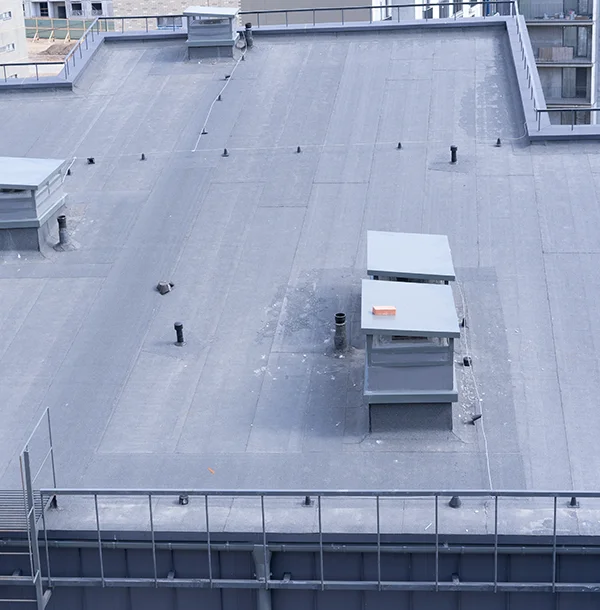
The local climate across Reston, Herndon, Sterling, Fairfax, and surrounding communities creates specific challenges for flat roof systems that contractors must address during design and installation. Summer temperatures push membrane surface temperatures above 150 degrees Fahrenheit, stressing seams and accelerating UV degradation on unprotected surfaces. Winter freeze-thaw cycles expand trapped moisture in seams and flashing details, gradually opening pathways for water infiltration.
Spring and fall bring rapid temperature swings of 40 degrees or more in a single day, causing thermal expansion and contraction that tests membrane flexibility and fastener holding power. Northern Virginia's intense summer thunderstorms regularly drop two or more inches of rain in 30 minutes, overwhelming drainage systems that are undersized, partially blocked, or poorly designed. A capable flat roofing company plans installations around these weather patterns, choosing materials rated for the full temperature range the mid-Atlantic climate delivers and designing drainage systems with capacity to handle peak storm events.
The heavy tree canopy throughout Reston's planned community, the wooded lots along Sugarland Run in Herndon and Sterling, and the mature landscapes in Fairfax and McLean create additional challenges. Leaf debris, pine needles, and fallen branches accumulate on flat roofs and clog drains throughout fall and winter. Properties in these areas need drain covers, regular cleaning schedules, and membrane systems that resist punctures from falling debris. Understanding roof replacement costs in Northern Virginia helps you budget appropriately for these climate-specific requirements.
Maintenance Plans That Extend Flat Roof Life
Even the best-installed flat roof needs regular professional maintenance to achieve its full service life. Seasonal inspections identify small problems before they develop into expensive failures. Spring inspections should focus on winter damage including seam separations from ice expansion, flashing displacement, and debris accumulation. Fall inspections prepare the roof for winter by clearing drains, checking seam integrity, and verifying that all penetration flashing remains sealed.
Professional maintenance programs typically include biannual inspections with documented reports and photos, drain cleaning and debris removal, minor seam and flashing repairs included in the program cost, and priority scheduling for emergency service calls. These programs cost $300 to $800 per year depending on roof size and complexity, which represents a fraction of the cost of a single emergency repair call or the premature replacement expense that results from deferred maintenance.
Partnering with a reliable flat roofing company for ongoing maintenance ensures that your roof investment delivers its full service life. The contractor who installed your roof knows the system intimately and can spot developing problems that a general maintenance crew would miss. Learn more maintenance strategies in our guide to extending the lifespan of your roof and explore the fundamentals in our roofing and repairs 101 guide.
Repair or Replace: Making the Right Decision for Your Flat Roof
Targeted repairs make financial sense when the membrane is in overall good condition and damage is limited to isolated areas. A qualified contractor can patch punctures, re-weld failed seam sections, replace deteriorated flashing, and restore drainage function without replacing the entire membrane. These repairs typically cost $500 to $3,000 depending on scope and provide years of additional service when the underlying roof system remains sound.
Replacement becomes the better investment when core samples reveal saturated insulation beneath the membrane, when more than 25 percent of seams show signs of failure, when ponding water results from structural issues that cannot be corrected with tapered insulation alone, or when the roof has exceeded 80 percent of its expected service life. Attempting repeated repairs on a roof that needs replacement wastes money on temporary fixes while allowing ongoing moisture damage to the building structure below.
A reputable flat roofing company provides honest assessments based on physical inspection, core sampling, and infrared moisture scanning rather than pushing you toward the option that generates the most revenue. Whether you need roof repair in Northern Virginia or complete roof replacement, expert guidance from a qualified flat roof specialist makes all the difference in protecting your property and your budget.
Frequently Asked Questions
What should I look for in a flat roofing company?
Look for documented experience with your specific membrane type such as TPO, EPDM, or PVC. Verify manufacturer certifications, active liability and workers compensation insurance, a portfolio of completed flat roof projects in Northern Virginia, and written warranties covering both materials and workmanship for at least five years. Ask for references from property owners with buildings similar to yours and verify that the contractor maintains a permanent local presence in the NOVA area.
How much does flat roof installation cost in Northern Virginia?
Flat roof installation in Northern Virginia costs between $8 and $16 per square foot depending on the membrane type. TPO runs $8 to $12 per square foot, EPDM costs $7 to $11 per square foot, and PVC ranges from $10 to $16 per square foot. A typical 1,500 square foot flat roof costs $12,000 to $24,000 installed including tear-off, insulation, and new membrane. Northern Virginia pricing runs 15 to 20 percent above national averages due to higher labor rates and material delivery costs.
How long does a flat roof last in Northern Virginia?
A properly installed flat roof in Northern Virginia lasts 20 to 30 years depending on the membrane type and maintenance schedule. TPO and PVC membranes typically last 20 to 30 years with regular inspections. EPDM rubber roofs last 25 to 30 years. Modified bitumen systems last 15 to 20 years. Northern Virginia's freeze-thaw cycles and summer heat can reduce these lifespans without proper drainage and maintenance. Biannual professional inspections help maximize your roof's service life.
What is the best flat roof material for commercial buildings in Northern Virginia?
TPO is the most popular flat roof material for commercial buildings in Northern Virginia due to its energy efficiency, heat-welded seam strength, and competitive pricing. PVC is preferred for buildings near restaurants or industrial areas where chemical resistance matters. EPDM remains a reliable choice for buildings where budget is the primary concern and the roof has minimal foot traffic or equipment penetrations. Your flat roofing company should recommend the material based on your building's specific conditions and usage.
Should I repair or replace my flat roof?
Repair your flat roof if damage is limited to isolated areas and the membrane is less than 15 years old with no widespread deterioration. Replace the roof if you see ponding water across large areas, multiple seam failures, saturated insulation revealed by core samples, or if the roof has exceeded 75 percent of its expected lifespan. A qualified flat roofing company will perform core sampling and infrared scans to help you make an informed decision based on actual roof conditions rather than guesswork.
Work with a Flat Roofing Company You Can Trust in Northern Virginia
Reston Roofing provides detailed scopes, precision installation, and reliable maintenance for TPO, EPDM, PVC, and modified bitumen flat roof systems across Northern Virginia. Our team explains every step of the process, documents the work with photos and written reports, and stands behind the finished product with manufacturer-backed warranties and our own workmanship guarantee.
We serve commercial and residential properties throughout Reston, Herndon, Sterling, Fairfax, McLean, and all surrounding Northern Virginia communities. Our specialized flat roof services include flat roofing systems, foam coating, and silicon roof coating. Call us today at (571) 453-6515 or schedule a consultation to get a thorough flat roof inspection and protect your investment with professional care that lasts.