Expert Roofing Company in Centreville VA
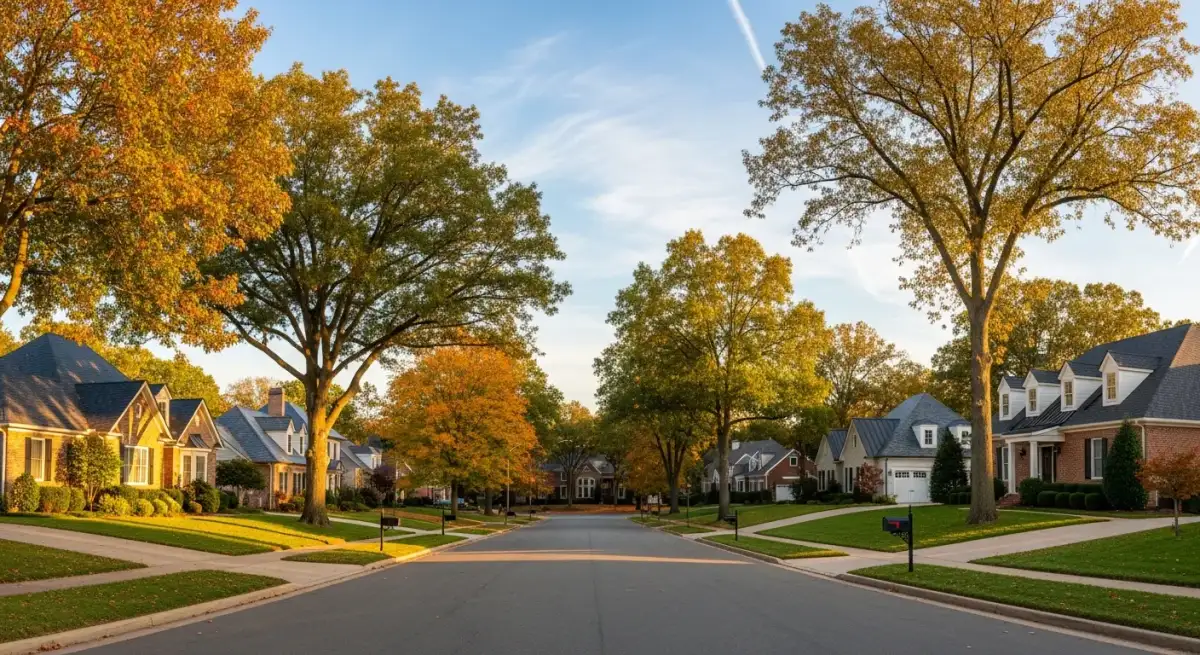
When you need a roofing company in Centreville VA, you want someone who knows this community inside and out. Centreville sits right in the path of Northern Virginia's most severe summer storms, and homes here — from the established neighborhoods of Virginia Run and Centre Ridge to the townhome communities along Route 29 — face a particular set of roofing challenges that out-of-area contractors may not fully understand.
Reston Roofing has been repairing and replacing roofs across Centreville for years. We've worked in practically every subdivision in the 20120 and 20121 zip codes, and we know the HOA requirements, the common problem areas, and the weather patterns that affect your roof. Whether you're dealing with storm damage after a Bull Run area thunderstorm, an aging roof on your 1990s colonial, or you just want a professional opinion on how much life your current roof has left, we're the team to call.
Below, you'll find everything you need to know about roofing services in Centreville — what we offer, what it costs, how to work with your HOA, and how to make smart decisions about your home's most important protective system.
Centreville's Unique Roofing Challenges
Centreville isn't just another Northern Virginia suburb. Its geography, housing stock, and weather exposure create specific roofing challenges that affect how long your roof lasts and what kind of maintenance it needs.
Age of the Housing Stock
Most of Centreville's residential development happened in two major waves. The first wave came in the 1980s, building out neighborhoods like Centreville Farms, Little Rocky Run, and parts of the Route 29 corridor. The second wave arrived in the 1990s and early 2000s with massive planned communities like Virginia Run, Centre Ridge, and Sully Station.
That means the oldest homes in Centreville are now 40+ years old, and even the "newer" homes are 20 to 30 years old. For asphalt shingle roofs, that's right at the end of their expected lifespan. We see a lot of Centreville homeowners who are facing their first or second roof replacement, and many are surprised to learn that their roof is already past due.
Storm Exposure
Centreville sits in the Bull Run watershed, and the terrain creates a funnel effect for summer thunderstorms moving west to east across Northern Virginia. Severe storms track along the I-66 corridor and hit Centreville with damaging wind, hail, and heavy rain with alarming frequency between May and September. The 2024 and 2025 storm seasons produced multiple events with 60+ mph winds and quarter-sized hail that caused significant roof damage across Virginia Run, Centre Ridge, and the neighborhoods near Centreville High School.
After any major storm event, we get dozens of calls from Centreville homeowners who've noticed missing shingles, granule piles in their gutters, or water stains on their ceilings. If you see any of these signs after a storm, call for a roof repair inspection before the damage gets worse.
Heavily Wooded Lots
Many Centreville neighborhoods — particularly those backing to Bull Run Regional Park, along Compton Road, and in the wooded sections of Virginia Run — have significant tree coverage. While those mature trees provide shade and curb appeal, they also create roofing problems.
- Falling branches damage shingles, crack flashing, and dent gutters
- Leaf accumulation traps moisture on the roof surface and in valleys, promoting algae and moss growth
- Constant shade prevents shingles from drying out after rain, accelerating deterioration
- Overhanging limbs rub against roof surfaces during wind events, wearing through shingle granules
If your Centreville home is surrounded by trees, your roof needs more frequent inspection and maintenance than a home on an open lot.
Roofing Services Available in Centreville
Reston Roofing provides a complete range of roofing services for Centreville homeowners. Here's what we can do for your home.
Roof Repair
From a single blown-off shingle to major leak repair, we handle all types of residential roof repair in Centreville. Common repairs we perform include shingle replacement after wind or hail damage, flashing repair around chimneys and skylights, pipe boot replacement, valley repair, and leak detection and repair. We respond to emergency leak calls quickly and can get a temporary tarp on your roof the same day in most cases.
Roof Replacement
Full tear-off and replacement with architectural asphalt shingles, standing seam metal, or synthetic slate. We handle everything from the initial inspection through Fairfax County permits, HOA approval, material selection, installation, cleanup, and final inspection. Most Centreville homes take 1 to 3 days for a complete asphalt shingle replacement.
Storm Damage Inspection and Repair
After severe weather, we provide free storm damage inspections throughout Centreville. Our team climbs onto your roof and documents every area of damage with photographs and detailed notes. We prepare reports and estimates that support your insurance claim, and we work directly with your adjuster to ensure your claim covers the full scope of damage. We've helped hundreds of Centreville homeowners successfully navigate the insurance claims process.
Roof Inspection
Whether you're buying a home in Centreville, planning ahead for a future replacement, or just want to know the current condition of your roof, our inspection service gives you a clear picture. We check every component — shingles, flashing, ventilation, gutters, underlayment (where visible), and attic space — and provide a written report with photos, condition ratings, and recommendations.
Gutter Services
Centreville's heavy tree cover makes gutter maintenance especially important. We install new seamless aluminum gutters, repair damaged sections, install gutter guards to reduce debris accumulation, and provide seasonal cleaning services. Properly functioning gutters protect your foundation, landscaping, and siding from water damage.
Attic Ventilation Improvement
Many older Centreville homes have inadequate attic ventilation, which causes premature shingle aging, ice dams in winter, and excessive heat buildup in summer. We install ridge vents, soffit vents, and power ventilators to create proper airflow through your attic space. Good ventilation can add years to your roof's life and reduce your energy bills.
Key Considerations for Centreville Homeowners
Before you hire a roofing company or start planning a roof project in Centreville, keep these factors in mind.
HOA Roofing Rules in Centreville
Nearly every neighborhood in Centreville has an HOA with architectural guidelines that govern roofing work. Here's what we typically see across the major communities:
Virginia Run: One of the largest planned communities in Centreville, Virginia Run requires architectural shingles in approved colors (typically earth tones — charcoal, weathered wood, barkwood, and similar). You must submit an Architectural Control Committee (ACC) application with material and color specifications before work begins. Approval usually takes 2 to 3 weeks.
Centre Ridge: Centre Ridge has similar requirements to Virginia Run — architectural shingles in approved colors with ACC approval required. The community is strict about color matching, especially on townhomes where adjacent units should coordinate. If you're replacing your roof on a townhome in Centre Ridge, check with your neighbors about timing — doing multiple units at once can save everyone money.
Sully Station: This large community along Sully Road requires architectural shingles and has a specific list of approved colors. The Sully Station HOA has been known to require contractors to submit proof of insurance and licensing as part of the approval process, which is actually a good consumer protection measure.
Little Rocky Run: An established community with older homes, Little Rocky Run has standard HOA requirements for architectural shingles. Many homes here are on their second or third roof and some have upgraded to premium or designer shingle lines during replacement.
Historic Centreville Considerations
The historic district along Braddock Road near the intersection with Route 29 includes homes and structures that may be subject to additional regulations through the Fairfax County Architectural Review Board for historic properties. If your home is in or near the historic district, check with Fairfax County Planning before starting any exterior work. Roofing on historic properties may require specific materials or methods to maintain the property's historic character.
Timing Your Roof Project
The best months for roofing work in Centreville are April through June and September through November. Summer storms can cause delays, and winter temperatures below 40 degrees affect shingle adhesion. If your roof is actively leaking, don't wait for the "perfect" season — call us for emergency repair regardless of the time of year.
Roofing Material Options for Centreville Homes
Your material choice affects both cost and performance. Here are the options that work best for Centreville's climate and HOA requirements.
Asphalt Architectural Shingles
The standard choice for 90+ percent of Centreville roofs. Architectural shingles (also called dimensional shingles) provide a layered, textured appearance, resist wind uplift up to 130 mph, and carry 30 to 50 year manufacturer warranties. They're approved by virtually every HOA in Centreville and come in enough color options to match any community's palette.
Popular product lines in Centreville include GAF Timberline HDZ, CertainTeed Landmark Pro, and Owens Corning Duration. Premium lines like GAF Grand Sequoia and CertainTeed Presidential Shake offer higher-end aesthetics for homeowners who want to stand out (within HOA guidelines, of course).
Standing Seam Metal
Metal roofing is growing in popularity in Centreville, especially among homeowners who've been through multiple shingle replacements and want a long-term solution. Standing seam metal lasts 40 to 70 years, handles extreme wind and hail better than shingles, and reflects solar heat to reduce cooling costs. Most Centreville HOAs will approve metal roofing in colors that match the community aesthetic, though some older communities still restrict it — check before you commit.
Synthetic Slate
For homeowners who want the upscale look of slate without the weight and cost, synthetic slate products deliver a convincing appearance at roughly half the price of natural stone. Products like DaVinci Roofscapes are particularly popular on larger colonial and estate-style homes in Virginia Run and the custom-home areas near Braddock Road.
Flat Roof Systems
Some Centreville homes — particularly split-levels from the 1980s and homes with additions — have flat or low-slope roof sections. These sections require membrane roofing systems like TPO, EPDM, or modified bitumen rather than shingles. We install and repair all flat roof systems and integrate them seamlessly with the adjacent shingle sections of your roof.
Roofing Costs in Centreville VA
Centreville roofing costs fall within the standard Northern Virginia range, though larger home sizes in communities like Virginia Run can push total project costs higher than the county average. Here's what you can expect in 2026.
| Service / Item | Low End | High End | Notes |
|---|---|---|---|
| Minor roof repair (shingle replacement, small leak) | $300 | $1,200 | 1-2 hour service call with materials |
| Major roof repair (flashing, valley, multiple areas) | $1,200 | $4,500 | Half-day to full-day project |
| Asphalt shingle replacement (2,000-2,500 sq ft home) | $8,500 | $16,000 | Architectural shingles; includes full tear-off |
| Premium/designer shingle replacement | $13,000 | $22,000 | Thicker profiles, enhanced aesthetics, longer warranty |
| Standing seam metal roof | $15,000 | $26,000 | 40-70 year lifespan; steel or aluminum |
| Synthetic slate roof | $14,000 | $25,000 | Slate appearance without the weight |
| Flat roof section (TPO/EPDM) | $3,500 | $10,000 | Per section; varies by area and material |
| Decking repair (per 4x8 sheet) | $75 | $150 | Plywood or OSB replacement for rotted areas |
| Gutter installation (seamless aluminum, per linear foot) | $8 | $15 | 5-inch or 6-inch; includes downspouts |
| Gutter guard installation (per linear foot) | $7 | $15 | Micro-mesh or surface tension styles |
| Fairfax County building permit | $150 | $350 | Required for all roof replacements |
Prices shown are typical ranges for Northern Virginia as of 2026 and vary based on home size, material grade, site access, and current material costs. Contact us for a free on-site estimate.
What Affects Your Centreville Roofing Cost
Several factors specific to Centreville can move your price within or beyond these ranges:
- Home size: Virginia Run homes average 2,500 to 4,000+ square feet with correspondingly larger roofs. A 3,500 square foot home costs significantly more than a 1,800 square foot townhome
- Roof complexity: Colonial-style homes common in Centreville have multiple dormers, valleys, and roof planes that increase labor and waste
- Tree-related damage: Homes backing to Bull Run or in heavily wooded lots often need more decking replacement due to moisture damage
- Number of existing layers: If your home already has two layers of shingles, both must be removed before installation
- Access conditions: Steep driveways, mature landscaping, and rear-access-only sections increase setup time
- Current material costs: Roofing material prices fluctuate with supply chain conditions; 2026 has seen moderate increases
Storm Damage and Insurance Claims in Centreville
Centreville's position along the I-66 corridor makes it one of the hardest-hit areas in Northern Virginia for summer storm damage. Understanding how to handle storm damage and insurance claims protects your investment and ensures you get the coverage you're entitled to.
Common Storm Damage in Centreville
The most frequent types of storm damage we see on Centreville roofs include:
- Wind damage: Lifted, torn, or completely missing shingles; damaged ridge cap; broken drip edge
- Hail damage: Dented metal flashing, cracked or bruised shingles, granule loss (visible as bare spots or heavy granule buildup in gutters)
- Fallen tree/branch damage: Punctured or crushed shingles and decking, broken gutters, damaged flashing
- Driving rain damage: Water intrusion through compromised flashings, wind-driven rain under lifted shingles
What to Do After Storm Damage
If you suspect your roof was damaged during a storm, take these steps immediately:
- Document any visible damage from ground level with photos and video
- Check your attic for signs of water intrusion — wet insulation, water stains, daylight showing through
- Call Reston Roofing at (571) 453-6515 for a free storm damage inspection
- Contact your insurance company to report the damage within 24 to 48 hours
- Save any emergency repair receipts — temporary fixes are typically reimbursable through your claim
Don't wait for a leak to appear inside your home before acting. Hail and wind damage can compromise your roof's waterproofing even if you don't see immediate leaking. The longer you wait, the more secondary damage occurs, and the harder it becomes to get your insurance company to cover the full repair cost.
Insurance Claim Support
Reston Roofing handles the insurance coordination for Centreville homeowners. We meet with your adjuster on-site, walk them through every area of damage, and provide professional documentation that supports your claim. Our estimates use the same industry-standard software that adjusters use, which creates an apples-to-apples comparison and speeds up the claims process. If your initial settlement doesn't cover the full scope of repairs, we file supplemental claims with additional documentation.
Choosing the Right Roofing Company in Centreville
With dozens of roofing contractors advertising in the Centreville area, here's how to identify the ones worth hiring.
Check Licensing and Insurance
Every roofing contractor working in Centreville needs a valid Virginia contractor license from the Department of Professional and Occupational Regulation (DPOR). For roof replacements, they need a Class A license. Verify it at dpor.virginia.gov. Also confirm they carry general liability insurance (at least $1 million) and workers compensation. Don't skip this step — it's your biggest protection against liability.
Look for Local Experience
A contractor who's worked in Centreville's specific communities knows the HOA rules, the common problem areas, and the best approaches for the housing types found here. Ask how many projects they've completed in Virginia Run, Centre Ridge, Sully Station, or whichever neighborhood you're in. A local track record matters more than general "Northern Virginia experience."
Get Detailed Written Estimates
A professional estimate should specify every material by brand and product line, list all included work items, state the total cost with a clear payment schedule, and outline the warranty terms. Compare estimates on an apples-to-apples basis — a low quote that omits ice and water shield, synthetic underlayment, or proper flashing isn't actually cheaper when those items need to be added later.
Beware of Storm Chasers
After major storms hit the I-66 corridor, out-of-state "storm chasers" flood Centreville neighborhoods with door-to-door pitches offering free inspections and instant estimates. These companies often disappear after collecting payment, leaving homeowners with substandard work and no warranty recourse. Stick with established local companies that have a physical presence in Northern Virginia and a verifiable track record.
Frequently Asked Questions
How much does roof replacement cost in Centreville VA?
Roof replacement in Centreville VA typically costs $8,500 to $16,000 for asphalt architectural shingles on a standard 2,000 to 2,500 square foot home. Metal roofing runs $15,000 to $26,000. Homes in Virginia Run and Sully Station with larger footprints or complex roof designs may run higher. These prices include tear-off, disposal, materials, labor, and permit. Northern Virginia pricing runs 15 to 25 percent above national averages.
Does Centreville VA require a permit for roof replacement?
Yes, Centreville falls within Fairfax County, which requires a building permit for any roof replacement. Your roofing contractor applies through the Fairfax County Department of Planning and Zoning. Permits cost $150 to $350, and a final inspection is required after the work is completed. Your contractor should handle the entire permit process as part of the project.
What are the most common roofing problems in Centreville?
The most common roofing problems in Centreville are storm damage from summer thunderstorms and hail, aging shingles on homes built in the 1980s and 1990s that are past their expected lifespan, ice dam damage from winter freeze-thaw cycles, and poor attic ventilation that causes premature shingle deterioration. Homes near Bull Run and in heavily wooded areas also deal with debris damage from falling branches and moss or algae growth from constant shade.
How do I know if my Centreville HOA allows the roofing material I want?
Contact your HOA management company or check your community's architectural guidelines document, which is typically available on your HOA's website or by request. Most Centreville communities like Virginia Run, Centre Ridge, and Sully Station require architectural shingles in specific approved colors. Submit an Architectural Review Board application with your material choice, color sample, and contractor information. Wait for written approval before your contractor begins work.
How long does a roof last on a Centreville home?
A standard asphalt architectural shingle roof in Centreville typically lasts 20 to 30 years depending on installation quality, ventilation, and exposure to weather. Metal roofs last 40 to 70 years, and slate can last 75 to 100 years. Homes in heavily wooded areas near Bull Run Regional Park may see shorter shingle lifespans due to shade, moisture, and debris. Regular maintenance and prompt repairs extend your roof's life regardless of the material.
Does Reston Roofing offer free roof inspections in Centreville?
Yes, Reston Roofing offers free roof inspections for Centreville homeowners when you're considering a repair or replacement project. We also provide free storm damage inspections after severe weather events. Our inspection includes a thorough assessment of your shingles, flashing, ventilation, gutters, and attic space, with a detailed written report and photographs. Call us at (571) 453-6515 to schedule yours.
Get Your Free Roofing Estimate in Centreville VA
Reston Roofing has been serving Centreville VA homeowners with dependable roofing services for years. From storm damage repairs in Virginia Run to full roof replacements in Centre Ridge, from gutter installations in Sully Station to emergency leak repairs on homes along the Route 29 corridor — we've done it all, and we've built a reputation for doing it right.
Every project begins with a free on-site estimate. We measure your roof, assess its condition, walk you through your material and color options, and provide a detailed quote that covers everything with no hidden costs. We handle HOA paperwork, Fairfax County permits, and insurance coordination so you can focus on choosing the right materials for your home.
Call us today at (571) 453-6515 or schedule a consultation online. Let us show you why Centreville homeowners trust Reston Roofing for every roofing project.