Flat Roof Roofers: Why Specialists Matter for Northern Virginia Properties
Flat roofs are everywhere in Northern Virginia. Drive through any commercial district in Reston, Herndon, or Fairfax and you'll see them on office buildings, retail centers, and mixed-use developments along the Dulles corridor. But flat roofs aren't limited to commercial properties. Thousands of homes across the region have flat or low-slope sections over garages, additions, sunrooms, row house roofs, and modern architectural builds that use flat roof design as a deliberate style choice.
The challenge with flat roofs is that they operate under completely different physics than the steep-slope shingle roofs most homeowners and general roofers understand. Water doesn't flow off a flat roof the way it cascades down a pitched surface. Seams behave differently under thermal stress. Drainage design matters in ways that don't apply to sloped systems. And the membrane materials used on flat roofs require welding, adhesive bonding, and fastening techniques that have nothing in common with nailing asphalt shingles to plywood decking.
This is why flat roof roofers exist as a distinct specialty within the roofing industry. Working with a contractor who genuinely specializes in flat roof systems is the difference between a repair that lasts 15 years and one that fails within 18 months. This guide explains what flat roof specialists bring to the table, how to evaluate their qualifications, what flat roof work costs in Northern Virginia, and why the investment in specialized expertise pays for itself many times over.
Why Flat Roofs Need Specialized Attention
A flat roof looks simple from the ground, but its engineering demands leave almost zero margin for error. On a steep-slope roof, gravity is your ally. Water hits the surface and immediately starts flowing downward toward gutters and downspouts. Minor imperfections in installation get a pass because gravity pulls water away before it can penetrate.
Flat roofs don't get that help. Water landing on a flat surface moves slowly, following the subtle slopes built into the roof assembly by design. If those slopes are off by even a fraction of an inch per foot, water pools instead of draining. Pooled water, called ponding, is the number one enemy of every flat roof membrane. It concentrates weight on small areas, accelerates UV degradation of the membrane, and provides a persistent source of moisture that will find any seam weakness, puncture, or fastener back-out and exploit it relentlessly.
Flat roof roofers understand drainage engineering at a level that general roofing contractors simply don't train for. They know how to calculate the proper slope using tapered insulation systems, position drains and scuppers for maximum water evacuation, and test drainage performance before the final membrane layer goes down. When working with professional roofing specialists, you benefit from training in detecting early warning signs that could prevent major repairs.
Membrane Seams: The Critical Difference
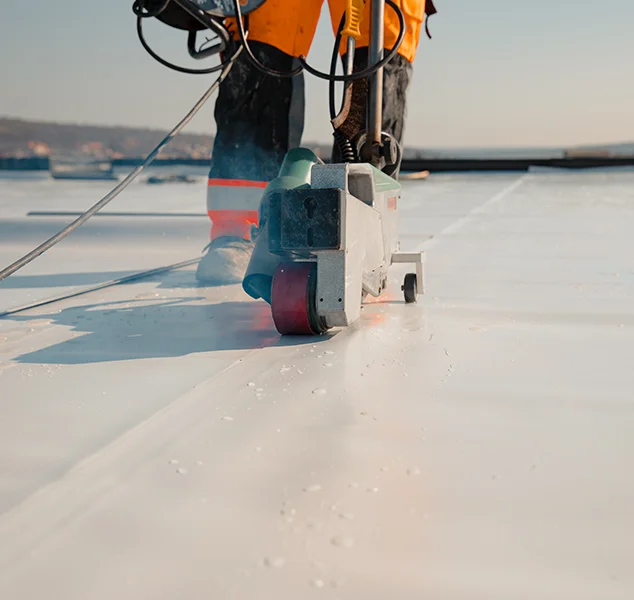
Every flat roof membrane system relies on seams where individual sheets or rolls of material join together. These seams are the most vulnerable points on any flat roof, and the method used to create them varies dramatically between membrane types. TPO and PVC seams are heat-welded using specialized equipment that fuses the material at precise temperatures. EPDM seams use adhesive tape or liquid-applied bonding agents. Modified bitumen seams are torch-applied or self-adhered depending on the product.
A general roofer who installs shingle roofs five days a week doesn't own the heat-welding equipment needed for TPO work, doesn't have the training to calibrate temperature and speed settings for different membrane thicknesses, and may not even recognize a failed seam during an inspection. Flat roof roofers work with these systems daily. They know what a properly welded seam looks like, what a cold weld feels like when you test it, and how ambient temperature and wind conditions affect the welding process.
Understanding Flat Roof Materials Used in Northern Virginia
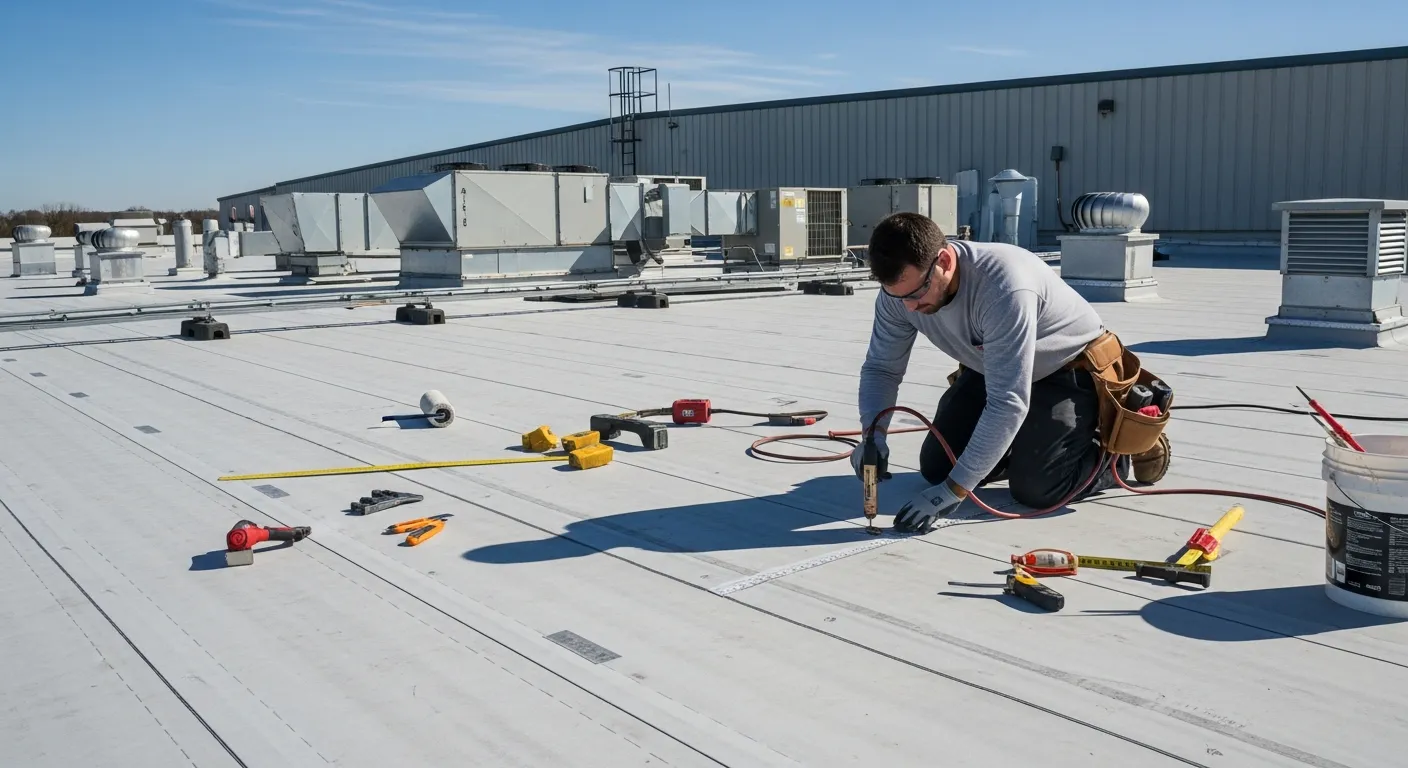
Flat roofs in the Northern Virginia market use three primary membrane systems, each with distinct characteristics that affect performance, cost, and maintenance requirements. Understanding these materials helps you evaluate contractor recommendations and ask the right questions during the estimate process.
TPO (Thermoplastic Polyolefin)
TPO has become the most widely installed flat roof membrane in Northern Virginia over the past decade. White TPO reflects solar heat effectively, which matters during our brutal summer months when flat roof surface temperatures can exceed 150 degrees Fahrenheit. TPO seams are heat-welded, creating a monolithic waterproof surface that resists wind uplift and handles thermal cycling without the adhesive failures common in older flat roof systems.
We install TPO roofing systems throughout the Reston and Herndon areas, where commercial properties and residential additions benefit from TPO's combination of affordability and long-term performance. A properly installed TPO roof lasts 20 to 30 years in Northern Virginia conditions.
EPDM (Ethylene Propylene Diene Monomer)
EPDM rubber membrane has been the workhorse of the flat roofing industry for over 40 years. You'll find EPDM on thousands of existing flat roofs across Fairfax County, including many of the commercial buildings along Sunrise Valley Drive and the Reston Town Center area. EPDM is durable, flexible in cold weather, and relatively affordable to install.
The limitation of EPDM is its seam technology. EPDM seams rely on adhesive tape rather than heat welding, which makes them more susceptible to failure over time, especially in Northern Virginia's temperature extremes. Our EPDM roofing services include comprehensive seam inspection and reinforcement that addresses this vulnerability.
PVC (Polyvinyl Chloride)
PVC membranes offer the best chemical resistance of any flat roof material, which makes them the preferred choice for flat roof sections near restaurant exhaust vents, HVAC equipment, or industrial applications. PVC seams are heat-welded like TPO and typically last 25 to 30 years or more. The material maintains flexibility across Northern Virginia's full temperature range, from single-digit winter lows to triple-digit summer surface temperatures. Our PVC roofing installations serve both commercial and residential properties throughout the region.
Common Flat Roof Problems and How Specialists Solve Them
Flat roofs develop a specific set of problems that differ significantly from the issues you see on steep-slope shingle roofs. Understanding these common failure modes helps you recognize when your flat roof needs professional attention and evaluate the quality of repairs your contractor proposes.
Ponding Water
Standing water that remains on a flat roof for more than 48 hours after rain indicates a drainage problem that needs correction. Ponding accelerates membrane deterioration, adds structural load, and provides a breeding ground for algae and mosquitoes. Flat roof roofers address ponding by installing tapered insulation to redirect water flow, adding or repositioning drains, and clearing blocked scuppers and drain lines that prevent proper evacuation.
Membrane Blistering and Bubbling
Blisters form when moisture gets trapped between the membrane and the substrate, then expands as temperatures rise during summer. A single blister on an otherwise sound roof is a minor repair. Multiple blisters across a wide area suggest a moisture intrusion problem beneath the membrane that requires investigation and correction before the membrane itself is addressed.
Seam Separation
Seam separation is the most common failure mode on aging flat roofs. On EPDM systems, adhesive seams can peel back as the bonding agent degrades. On TPO and PVC systems, cold welds from improper installation technique eventually let go under thermal stress. Specialists test seam integrity with probing tools and repair failures using the same heat-welding or adhesive methods appropriate for the specific membrane type.
For long-lasting protection on aging flat roofs, consider foam coating solutions or silicon roof coatings that provide additional durability and can extend the life of an existing membrane by 10 to 15 years.
Flat Roof Repair and Replacement Costs in Northern Virginia
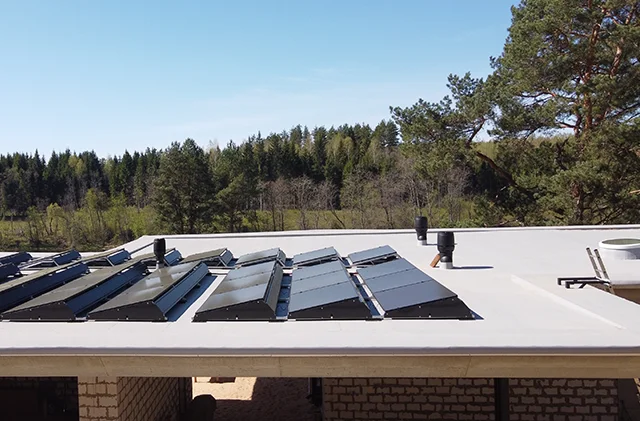
Flat roof costs in Northern Virginia run higher than national averages due to elevated labor rates, material delivery costs to the NOVA market, and the specific permit requirements in Fairfax County and Loudoun County. The table below provides realistic cost ranges for the most common flat roof services as of 2026.
| Service Type | Cost Range (NOVA 2026) | Typical Timeframe | Lifespan of Repair |
|---|---|---|---|
| Minor Patch Repair (under 10 sq ft) | $350 - $1,200 | 1 - 3 hours | 5 - 10 years |
| Seam Repair / Re-weld | $500 - $2,000 | Half day | 8 - 15 years |
| Drain / Scupper Repair | $400 - $1,500 | 2 - 4 hours | 10 - 15 years |
| Major Section Repair (50+ sq ft) | $1,500 - $5,000 | 1 - 2 days | 10 - 15 years |
| TPO Full Replacement (per sq ft) | $8 - $14 | 2 - 4 days | 20 - 30 years |
| EPDM Full Replacement (per sq ft) | $6 - $12 | 2 - 3 days | 15 - 25 years |
| PVC Full Replacement (per sq ft) | $9 - $16 | 2 - 4 days | 25 - 30 years |
| Foam Coating Application (per sq ft) | $4 - $8 | 1 - 2 days | 10 - 15 years |
Prices reflect typical Northern Virginia ranges as of 2026 and vary based on roof access, existing membrane condition, insulation upgrades, and drainage modifications. Contact us for a free on-site estimate specific to your property.
Flat Roof Maintenance in Northern Virginia's Climate
Northern Virginia's climate puts unique stress on flat roof systems. Summer temperatures push membrane surface temperatures above 150 degrees Fahrenheit. Winter brings 40 to 60 freeze-thaw cycles that stress seams, flashings, and penetration seals. Spring and summer thunderstorms can dump two inches of rain in 30 minutes, testing drainage systems to their limits. And the region's persistent humidity promotes biological growth that can degrade certain membrane types if left unchecked.
Flat roof roofers who work in the Northern Virginia market understand these seasonal stresses and build maintenance programs around them. A proper flat roof maintenance schedule for this climate includes a spring inspection after freeze-thaw season to check seams, flashings, and drain lines for winter damage. Summer is the time for UV damage assessment and reflective coating application if needed. Fall maintenance focuses on clearing drains, gutters, and scuppers before leaf accumulation blocks drainage paths. Winter preparation involves verifying that all drainage is clear before the first freeze and planning for snow removal on flat sections after major accumulation events.
We serve property owners throughout the region including Reston, Herndon, Sterling, Fairfax, and surrounding communities with comprehensive flat roof maintenance programs that prevent costly emergency repairs.
How to Choose the Right Flat Roof Roofers
Selecting a flat roof contractor requires different evaluation criteria than choosing someone for a shingle roof replacement. The specialized nature of flat roof work means that experience, certifications, and equipment matter more than general roofing volume.
Verify Manufacturer Certifications
The best flat roof roofers carry manufacturer certifications for the specific membrane systems they install. TPO manufacturers like Carlisle, Firestone, and GAF offer certified installer programs that require documented training, field testing, and annual renewal. These certifications matter because they unlock enhanced warranty coverage for your project and confirm that the installer has demonstrated competency with the specific welding equipment, adhesive systems, and detail work required for that membrane.
Ask About Equipment and Training
A legitimate flat roof specialist owns heat-welding equipment for TPO and PVC work, seam probing tools for quality testing, moisture detection equipment for identifying trapped moisture beneath existing membranes, and the specialized hand tools required for detail work around drains, penetrations, and perimeter flashings. If a contractor shows up to estimate your flat roof and talks about patching it with roof cement or caulk, walk away. Those are temporary band-aids, not professional flat roof repairs.
Review Flat Roof Project History
Ask for photos and references from completed flat roof projects specifically, not general roofing work. A contractor who installs 200 shingle roofs per year but only does five flat roof projects is not a flat roof specialist regardless of how they market themselves. Look for a portfolio that shows membrane installations, detail work at penetrations and parapet walls, and drainage system installations that demonstrate real flat roof expertise. Choosing a trusted roofing contractor with specific flat roof experience ensures your commercial or residential property receives the specialized care it needs.
Commercial vs. Residential Flat Roofing Considerations
Commercial flat roofs often cover larger areas and may support HVAC equipment, satellite dishes, and rooftop access points that require additional structural consideration and specialized flashing details. Residential flat roofs are typically smaller but still demand the same level of precision in drainage design and membrane installation. Experienced flat roof roofers understand both applications and adapt their approach based on the specific challenges of your property.
Many commercial properties along the Dulles Toll Road corridor in Reston and Herndon have flat roofs that are 15 to 25 years old and approaching the end of their service life. Proactive replacement before failure occurs prevents the interior water damage, tenant disruption, and emergency repair costs that result from waiting until leaks develop.
Long-Term Savings with Expert Flat Roof Repairs
Working with flat roof specialists may cost more per visit than hiring a general handyman or all-purpose roofer, but the economics favor specialization decisively over a five to ten year horizon. A proper seam repair by a certified flat roof installer using the correct welding equipment and technique lasts 10 to 15 years. The same seam patched with roof cement by a general contractor typically fails within one to three years, requiring repeat service calls that add up quickly.
Expert flat roof roofers also protect insulation and interior finishes from water intrusion by addressing root causes rather than symptoms. A general roofer might seal the visible leak point and leave. A specialist investigates why the leak developed, checks for additional seam failures, verifies drainage function, and ensures the underlying insulation hasn't absorbed moisture that will cause ongoing problems even after the surface is sealed.
Understanding when to repair versus replace is crucial for flat roof economics. Read our guide on roofing and repairs 101 for essential tips on making the right decision for your property.
Frequently Asked Questions
How much does flat roof repair cost in Northern Virginia?
Flat roof repair costs in Northern Virginia range from $350 to $1,500 for minor patch work and $1,500 to $5,000 for major repairs. A full flat roof replacement on a typical residential section runs $8,000 to $16,000 depending on membrane type, insulation requirements, and drainage complexity. EPDM repairs tend to cost less than TPO or PVC due to simpler adhesive methods. Northern Virginia pricing runs 15 to 25 percent above national averages due to higher labor rates and material delivery costs.
What is the best flat roof material for Northern Virginia's climate?
TPO and PVC membranes perform best in Northern Virginia because they handle freeze-thaw cycles, intense UV exposure, and heavy rainfall without cracking or shrinking. TPO is the most popular choice for residential flat roofs due to lower cost and strong heat-weld seams. PVC is preferred near HVAC equipment or kitchen exhaust due to its chemical resistance. EPDM works well for budget-conscious projects but requires more seam maintenance over time.
How long does a flat roof last in Northern Virginia?
A properly installed and maintained flat roof in Northern Virginia lasts 20 to 30 years for TPO and PVC membranes, 15 to 25 years for EPDM rubber, and 10 to 20 years for modified bitumen. Regular inspections, prompt repairs, and proper drainage maintenance can push these lifespans toward the upper range. Poor ventilation and standing water significantly shorten flat roof life in this climate.
Can flat roofs handle heavy snow in Northern Virginia?
Yes, flat roofs built to Virginia code handle the snow loads typical for Northern Virginia. Most flat roof structures are engineered for 20 to 30 pounds per square foot of live load, which covers normal snowfall events in Fairfax and Loudoun counties. Problems arise when drainage is blocked and water pools on the surface, adding weight beyond design limits. Clearing drains before winter storms and scheduling professional snow removal after heavy accumulation prevents overloading.
Should I hire a flat roof specialist or a general roofer?
Always hire a flat roof specialist. General roofers trained primarily in shingle installation may not understand membrane welding, proper drainage slope calculations, or the specific adhesive and fastening systems required for EPDM, TPO, and PVC. A specialist will identify drainage issues, seam failures, and insulation problems that a general roofer could overlook. Ask for proof of manufacturer certifications for the specific flat roof system on your property.
Work with Expert Flat Roof Roofers in Northern Virginia
Flat roof systems require skill and precision that only trained specialists can provide. Reston Roofing brings deep experience in diagnosing, repairing, and maintaining flat roofs across every membrane type used in the Northern Virginia market. Our team carries manufacturer certifications, owns professional-grade welding equipment, and has completed hundreds of flat roof projects on commercial and residential properties throughout the region.
Whether you need roof repair services, roof replacement, or specialized flat roofing services, our team is equipped to handle all aspects of your project. We serve homeowners and commercial property owners across Reston, Herndon, Sterling, Fairfax, McLean, and communities throughout Northern Virginia.
Call us today at (571) 453-6515 or schedule a consultation online. We'll inspect your flat roof, provide a detailed written estimate, and recommend the solution that delivers the best long-term value for your property.