Metal Roofing Screws Guide: How Proper Fasteners Ensure a Secure Roof
Metal roofing screws are the single most critical connection point between your roof panels and the structure beneath them, yet they remain the most misunderstood component of metal roof installations across Northern Virginia. Each screw creates a penetration through your roof's weather barrier, and using incorrect fasteners or improper installation techniques causes more metal roof failures than panel defects, improper flashing, or any other factor combined. A typical residential metal roof uses 1,600 to 2,400 individual screws, which means 1,600 to 2,400 opportunities to get it right or create a future leak.
This guide covers everything Northern Virginia homeowners need to know about metal roofing screws: the types available, why material composition matters, proper placement patterns for different panel profiles, installation techniques that separate professional work from DIY failures, and realistic costs for the fasteners that determine whether your metal roof in Reston or anywhere in NOVA delivers its full 50-year service life.
Why Metal Roofing Screws Matter More Than You Think
A standard 2,000-square-foot residential metal roof requires 80 to 120 screws per roofing square, which is 100 square feet of roof area. Each of those screws punches a hole through your metal panels, through any underlayment beneath, and into the structural decking or purlins that hold everything together. Every single penetration becomes a potential leak point if the screw is the wrong type, the wrong size, installed at the wrong angle, or tightened to the wrong torque.
Metal roofing screws must accomplish three functions simultaneously. They provide structural attachment strong enough to resist wind uplift forces that can exceed 60 pounds per square foot during the severe thunderstorms and derecho events that hit the Dulles corridor. They create a watertight seal at every penetration point capable of handling the driving rain that Northern Virginia receives during summer storms dumping two inches in 30 minutes. And they maintain both structural integrity and water resistance through decades of temperature extremes ranging from single-digit winter lows to 160-degree-plus roof surface temperatures on a July afternoon in Fairfax.
Cheap or incorrectly specified fasteners fail at one or more of these requirements. Using deck screws, general construction screws, or budget fasteners with inferior washer compounds on metal roofs creates guaranteed failure points. Understanding proper metal roofing techniques starts with recognizing that fasteners are engineered systems designed for specific applications, not generic hardware-store screws that happen to fit the hole.
Anatomy of Professional Metal Roofing Screws
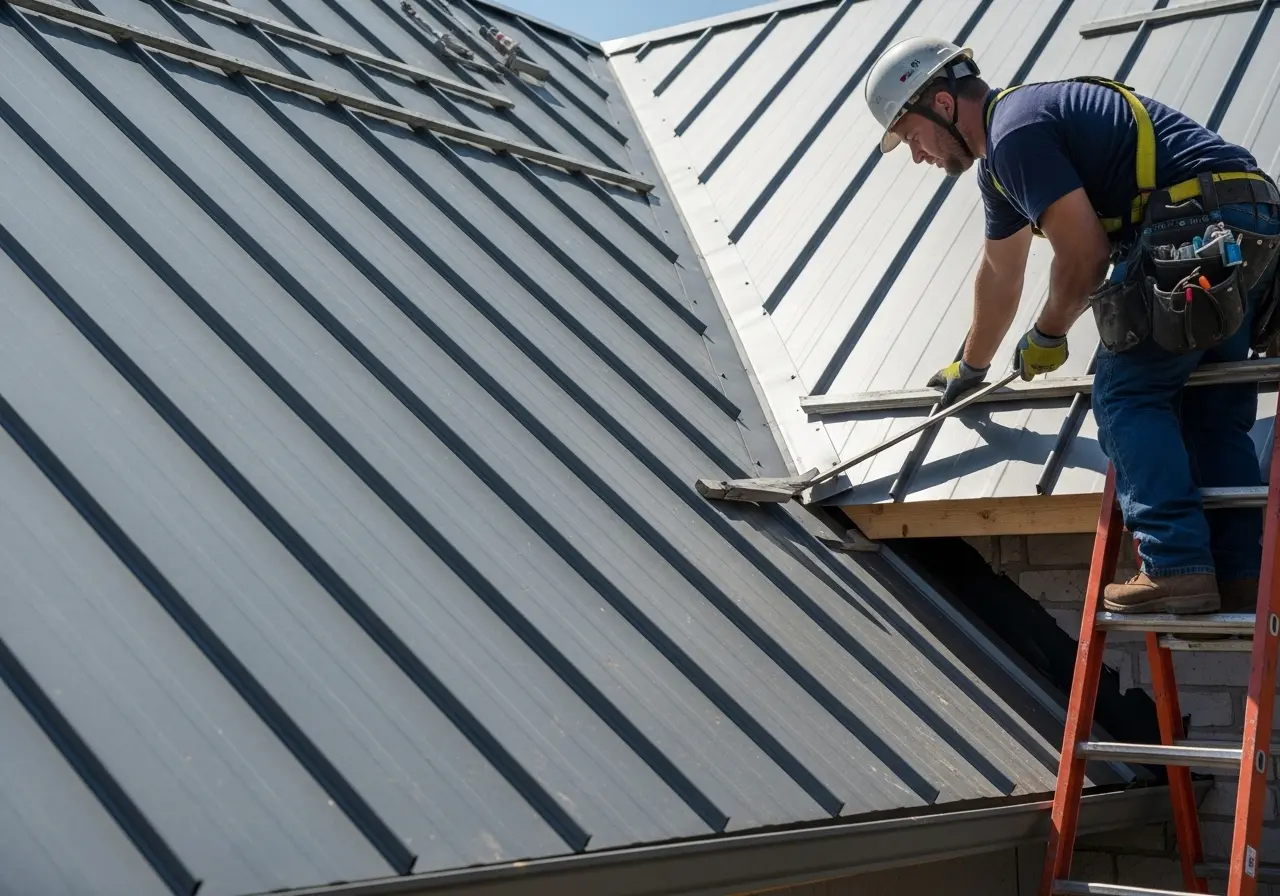
Quality metal roofing screws feature engineering details that separate them from ordinary fasteners available at hardware stores. The screw shaft is manufactured from hardened steel, typically number 12 or number 14 gauge, with a self-drilling point that cuts through metal panels and engages wood or metal substrates without pre-drilling. The hardened tip prevents the bending, stripping, and breaking that occurs when softer fasteners encounter resistance during installation.
The hex head design allows installation with standard socket drivers attached to screw guns with adjustable torque settings. The head sits flat against the metal backup washer when properly driven, creating even pressure distribution across the washer assembly. Slotted or Phillips-head screws lack the torque transmission capability needed for consistent installation across hundreds of fastener points.
The washer assembly is the most critical component of any metal roofing screw. Professional-grade screws use EPDM (Ethylene Propylene Diene Monomer) rubber washers bonded to steel backup washers. When compressed correctly during installation, the EPDM rubber conforms to the metal panel surface and creates a gasket seal that prevents water intrusion for 20 to 30 years or more. Cheap fasteners substitute neoprene or other inferior rubber compounds that harden, crack, and crumble under UV exposure within 5 to 10 years, creating widespread leak points across the entire roof surface.
Corrosion-resistant coatings protect the screw shaft and head from the rust that would otherwise compromise structural integrity and stain roof panels. Professional installations across Northern Virginia use screws with ceramic or polymer coatings color-matched to the panel finish. These coatings provide corrosion resistance that far exceeds basic galvanization, which is especially important in the humid mid-Atlantic climate where exposed metal fasteners corrode faster than in drier regions.
Screw Types for Different Metal Roofing Applications
Exposed fastener metal roofing systems, including corrugated panels, R-panel, and most agricultural-style metal roofing products, use screws that penetrate through the panel face directly into structural decking below. These applications require number 12 by 1-inch self-drilling screws when panels install over solid plywood or OSB decking, or number 12 by 1.5-inch screws when panels attach through foam insulation board or over strapping.
Standing seam metal roofing systems, the premium option increasingly popular on custom homes in Great Falls, estate properties along Georgetown Pike in McLean, and newer construction throughout Ashburn, use concealed clip fasteners. The screws attach mounting clips to the roof deck, and panels snap or seam onto these clips without any fastener penetrating the water-shedding surface. This hidden fastener approach eliminates penetrations through the panel face entirely, providing dramatically superior leak resistance and the cleanest aesthetic of any metal roofing system.
The substrate material determines which screw thread pattern to use. Wood-to-metal screws feature aggressive coarse threads designed for maximum pull-out resistance in dimensional lumber and engineered wood products. Metal-to-metal screws for commercial applications where panels attach to steel purlins use finer thread pitch optimized for threading into thin-gauge steel framing. Using wood screws on metal substrates, or vice versa, reduces holding power by 40 to 60 percent, creating dangerous wind uplift vulnerability that becomes apparent only during the next severe storm.
Proper Screw Placement Patterns
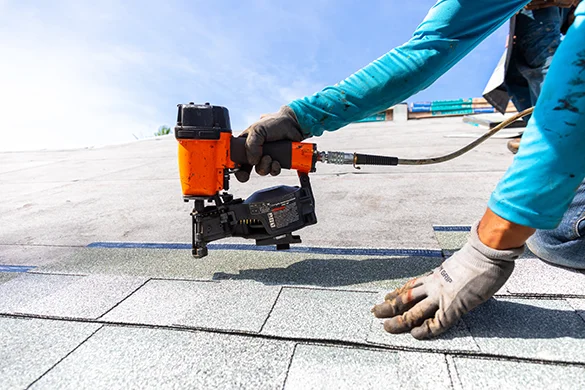
Fastener placement follows specific patterns that vary by panel profile, roof pitch, and wind exposure zone. The fundamental rule applies universally: screws penetrate through the raised ribs or high points of corrugated panels, never through the flat valleys where water collects during rain events. This placement seems counterintuitive to DIY installers who assume valley placement would seal better, but rib placement compresses the washer against a flat surface that sits above any standing water, creating a far more reliable long-term seal.
Standard field spacing calls for screws every 12 to 18 inches along panel ribs. Edge zones along eaves, gables, ridges, and hip lines require closer spacing of 8 to 12 inches because wind uplift forces concentrate at roof perimeters. Northern Virginia's exposure to severe thunderstorms and occasional derecho events means that fastener schedules should meet or exceed manufacturer minimum requirements. Homes along the open terrain of the Route 28 corridor through Sterling and Chantilly, and properties in elevated positions throughout Loudoun County, face higher wind loads that may warrant enhanced fastener density beyond standard patterns.
Panel overlap areas where side laps join require fasteners through both panel layers spaced 12 to 24 inches apart. End laps where panels overlap vertically need screws in every rib through both layers. Missing these critical overlap fasteners creates wind channels that allow panels to lift, separate, and peel during severe weather events.
Metal Roofing Screw Cost Comparison
The cost difference between budget and professional-grade metal roofing screws is modest per fastener but significant in long-term roof performance. The table below compares typical costs and performance characteristics for fasteners available in the Northern Virginia market.
Prices reflect Northern Virginia supplier pricing as of 2026. The $200 to $300 upcharge for professional-grade fasteners on a complete roof prevents washer failures that cost $5,000 to $10,000 to remediate when cheap screws degrade.
Installation Technique: What Separates Professional Work from DIY
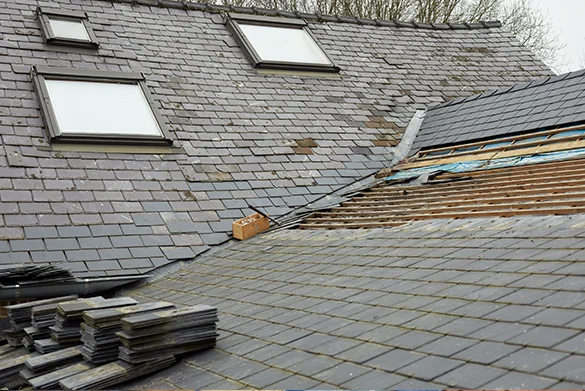
Proper metal roofing screw installation requires calibrated screw guns with adjustable depth and torque settings. Over-tightening compresses the EPDM washer past its designed compression range, squeezing rubber out from under the metal backup washer. This creates immediate leak paths and causes the washer to degrade prematurely from the stress. Under-tightening leaves gaps between the washer and panel surface, allowing water to wick under the washer during rain events and permitting panel movement under wind loading.
The correct installation seats the metal backup washer firmly against the panel surface with the EPDM rubber showing slight uniform compression visible as a small bulge around the entire washer perimeter. The rubber remains fully captured under the steel washer. Achieving this precise compression consistently across 2,000 fastener points demands professional tools, trained technique, and the kind of attention to detail that comes from experience rather than attempting your first metal roof.
Screw angle is equally critical. Every fastener must enter perpendicular to the panel surface. Angled screws create oval penetration holes larger than the screw shaft diameter, providing direct water paths past the washer seal. Angled installation also reduces pull-out resistance by 20 to 40 percent and creates stress concentration points where screws work loose over time through thermal cycling. On a roof in Northern Virginia experiencing daily temperature swings of 30 to 50 degrees between overnight lows and afternoon highs, poorly angled screws can back out within just a few years.
Maintenance, Inspection, and Long-Term Performance
Even professionally installed metal roofing screws benefit from periodic inspection. Northern Virginia's temperature extremes cause thermal cycling that can gradually work fasteners loose over years of continuous expansion and contraction. An annual visual inspection from the ground using binoculars identifies obvious problems like missing screws, rust staining around fastener heads, raised screw heads indicating backing out, or visible washer deterioration.
Look for screws that sit higher than surrounding fasteners, which indicates the screw has backed partially out of the wood substrate beneath. Rust staining around screw heads signals washer failure or coating breakdown that requires attention before leaks develop. Any missing screws should be replaced immediately using matching fasteners installed in the original holes or offset slightly if the original holes have enlarged from thermal movement.
Re-tightening loose screws requires caution. Over-tightening aged EPDM washers can cause them to split or squeeze out from under backup washers, making the problem worse. If screws spin freely without engaging, the substrate has lost holding power and the screw needs replacement with a longer fastener that engages fresh wood below the degraded area. For widespread fastener issues, a professional re-fastening service runs $1,500 to $4,000 depending on roof size. This investment is far less than the $10,000 to $20,000 cost of addressing water damage from years of undetected leaks through failed fasteners. Understanding common leak repair mistakes helps homeowners recognize when fastener issues require professional intervention.
Professional Installation vs DIY Fastening
Metal roofing installation appears straightforward to many DIY enthusiasts, but proper fastening technique represents the critical skill that separates a 50-year roof from a 10-year problem. Professional metal roofing installers invest in pneumatic screw guns with precise depth control calibrated for specific panel profiles. They maintain torque settings matched to the washer compression requirements of the fasteners they use. And they draw on experience from installing tens of thousands of screws correctly, which means they recognize immediately when a screw enters at a slight angle or doesn't seat properly.
DIY installers working with standard cordless drills or impact drivers struggle to achieve consistent fastener depth across an entire roof. Impact drivers in particular create problems because their hammer mechanism delivers inconsistent torque that over-drives some screws and under-drives others. The learning curve for proper metal roof fastening extends across the entire first project, which means your home becomes the training ground where mistakes accumulate and require expensive professional correction later.
Complex roof geometries with multiple penetrations, valleys, hip lines, and transitions compound the difficulty. Chimney flashings, plumbing vent boots, ridge cap installations, and rake edge details all require modified fastening patterns and specialized techniques. Our guide comparing roofing specialists versus DIY approaches explores when professional expertise provides better value than sweat equity. For metal roofing specifically, the fastener installation quality alone often justifies professional installation costs through superior decades-long performance.
Frequently Asked Questions
What type of screws should be used for metal roofing?
Metal roofing requires self-drilling screws with EPDM rubber washers bonded to steel backup washers. For panels installed over wood decking, use number 12 by 1-inch hex head screws. For panels over metal purlins, use self-tapping screws with finer thread pitch designed for steel substrates. Always use screws with ceramic or polymer coatings that match your panel color and provide superior corrosion resistance compared to basic galvanized fasteners.
How many screws per sheet of metal roofing are needed?
A standard 3-foot-wide metal roofing panel requires approximately 60 to 80 screws depending on panel length and roof location. Screws are placed every 12 to 18 inches along panel ribs in the field area, with closer 8 to 12 inch spacing along eaves, ridges, and gable edges where wind uplift forces are greatest. A typical 2,000-square-foot residential metal roof in Northern Virginia uses 1,600 to 2,400 total screws.
Should metal roofing screws go in the rib or the flat?
Metal roofing screws should go through the raised ribs or high points of corrugated panels, not through the flat valleys where water collects. Rib placement ensures the screw washer compresses against a flat surface above standing water level, creating a reliable seal. Valley placement exposes the screw penetration to pooling water during every rain event, dramatically increasing leak risk even with properly installed washers.
How much do metal roofing screws cost compared to standard screws?
Professional-grade metal roofing screws with EPDM washers and color-matched coatings cost 15 to 25 cents per screw. Standard or budget screws cost 6 to 10 cents each. For a typical 2,000-square-foot roof using 2,000 screws, premium fasteners add only $200 to $300 to total material costs. This modest upcharge prevents washer failures and leaks that cost $5,000 to $10,000 to repair when cheap fasteners degrade within 5 to 10 years.
How often should metal roofing screws be inspected or replaced?
Metal roofing screws should be visually inspected annually and professionally inspected every three to five years. Look for screws that appear raised above the panel surface, rust staining around screw heads, or visible washer deterioration. Most quality EPDM washers last 20 to 30 years before showing degradation. If you find widespread washer failure or loose screws, a professional re-fastening service typically costs $1,500 to $4,000 depending on roof size and the number of screws requiring attention.
Expert Metal Roofing Installation in Northern Virginia
Reston Roof installs metal roofing systems across Northern Virginia. Ask any installer which fasteners they specify, such as EPDM-washered, color-matched screws for exposed fastener panels and concealed clip systems for standing seam, and how they set torque for each panel profile.
Whether you're considering a new metal roof in Vienna, need fastener maintenance on an existing installation, or want a professional assessment of a metal roof with suspected fastener issues, Reston Roof can help. Call Reston Roof today at (571) 453-6515 or schedule a consultation to discuss your metal roofing project.