How to Find a Trusted Roofing Contractor: 5 Qualities of Reliable Roofers
Hiring a trusted roofing contractor is one of the most consequential decisions you'll make as a homeowner. Your roof touches every part of your home's performance, from structural integrity and energy efficiency to weather protection and resale value. The contractor you choose affects all of these outcomes, and choosing poorly can cost you thousands of dollars in substandard work, voided warranties, and repairs that fail within a few years.
Northern Virginia's roofing market makes this decision both easier and harder than other regions. Easier because the demand for roofing work in Fairfax County, Loudoun County, and the surrounding areas supports dozens of established contractors with solid track records. Harder because that same demand also attracts storm chasers, under-qualified operators, and high-volume companies that prioritize speed over craftsmanship.
This guide breaks down the five qualities that separate a genuinely trusted roofing contractor from the rest of the field. You'll learn exactly what to look for, what questions to ask, what documentation to request, and how to evaluate contractors in a way that protects your investment for the decades your roof should last.
Why Choosing a Trusted Roofing Contractor Matters
A roof that is installed or repaired correctly keeps water out for 25 to 50 years depending on the material. It reduces energy loss through proper ventilation and insulation coordination. It holds up during the severe thunderstorms and wind events that regularly hit the Washington DC metro area with gusts exceeding 70 mph. And it preserves your eligibility for manufacturer warranties that can cover material defects for 30 to 50 years.
A poorly installed roof does none of these things reliably. Improper nailing patterns let shingles blow off in moderate wind. Skipped underlayment or ice barrier at eaves allows water penetration during freeze-thaw cycles. Unbalanced ventilation causes premature shingle failure from heat buildup and voids the manufacturer's warranty. And sloppy flashing work creates chronic leak points that damage insulation, drywall, and framing over time.
The difference between these outcomes comes down to the contractor. Whether you need roof repair or a complete roof replacement in Northern Virginia, choosing the right professional makes all the difference in how your roof performs for the next 25 years.
Quality 1: License, Insurance, and Safety Standards
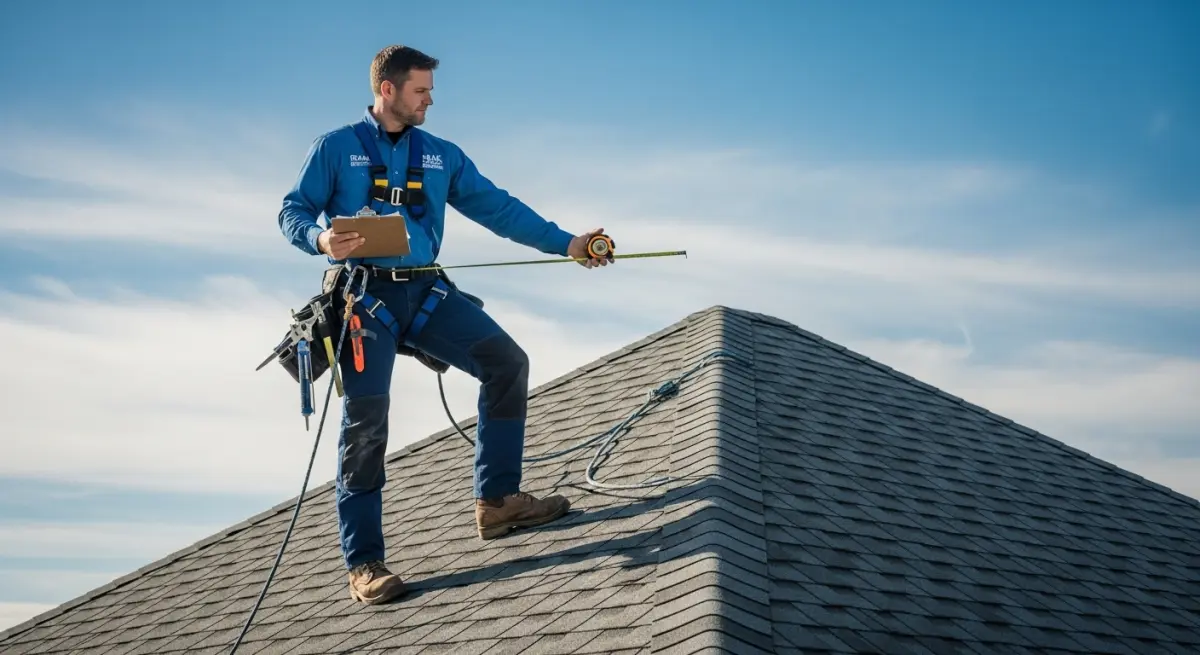
A trusted roofing contractor provides a current Virginia contractor's license and proof of both general liability insurance and workers' compensation coverage without hesitation. These aren't just paperwork formalities. They're your financial protection if something goes wrong.
Virginia requires contractors to hold a license issued by the Department of Professional and Occupational Regulation (DPOR). Class A covers projects over $120,000, Class B handles $10,000 to $120,000, and Class C covers $1,000 to $10,000. Most residential roof replacements in Northern Virginia fall in the Class B range. Verify any contractor's license status at dpor.virginia.gov before signing anything.
General liability insurance protects your property if the contractor's work causes damage. Workers' compensation protects you from liability if a crew member is injured on your property. Without these coverages, you could be held financially responsible for medical bills, property damage, or legal costs that have nothing to do with the quality of the roofing work itself.
Beyond the paperwork, ask how crews are trained and how fall protection is handled on steep or high roofs. OSHA requires fall protection for any work at six feet or higher, which includes virtually every residential roof in Northern Virginia. A contractor who dismisses safety requirements or sends crews onto your roof without harnesses, anchor points, and proper ladder setup is cutting corners that put people at risk. When hiring roofing repair specialists, always verify their credentials and safety protocols to protect yourself and your property.
Quality 2: Transparent Scopes and Written Pricing
Trust grows from clarity. A reliable roofing contractor provides a written scope that reads like a blueprint for your project, not a vague summary with a bottom-line price. The scope should list the specific brand, model, and color of shingles. It should itemize accessories including underlayment type and coverage, ice and water shield locations, drip edge material, starter strip, ridge vent specifications, and flashing details at every wall, chimney, skylight, and penetration.
Transparent estimates explain what is included in the base price and what counts as additional work. Common add-ons include replacing rotten decking discovered during tear-off, correcting ventilation deficiencies, adding or relocating plumbing vent boots, and modifying flashing at chimneys where the mortar cap has deteriorated. When pricing is explained in writing with per-unit costs for potential extras, you can compare proposals fairly and avoid surprise charges.
What a Good Estimate Looks Like vs. a Bad One
A good estimate specifies "CertainTeed Landmark Pro AR in Weathered Wood, installed over Sharkskin Ultra SA synthetic underlayment with Grace Ice and Water Shield at eaves extending 36 inches past the interior wall line." A bad estimate says "install new shingles with underlayment." The first tells you exactly what you're getting and allows you to verify material quality. The second gives the contractor room to use whatever materials cost the least, regardless of quality or warranty implications.
Quality 3: Proven Local Track Record
Roofing is a local craft influenced by climate, building styles, HOA requirements, and municipal code variations. A trusted roofing contractor can point to completed projects in your neighborhood, provide references from homeowners nearby, and show photo documentation of roofs they've installed on homes with architecture similar to yours.
Local experience means familiarity with wind-driven rain that tests flashing during spring thunderstorms, freeze-thaw cycles that stress seams and sealants through Northern Virginia's winters, and the intense summer heat that accelerates shingle aging on south-facing slopes. It also means familiarity with HOA requirements across the region. Reston Association communities, Fairfax County subdivisions, Great Falls estates, and Herndon neighborhoods all have different architectural standards that affect material selection, color options, and installation methods.
A local contractor is also available for warranty service and post-storm response in a way that a company based two hours away cannot match. When a June derecho tears through Reston and Sterling with 80 mph gusts, you want a contractor who can be on your roof within days, not weeks. For specialized systems, look for contractors experienced with flat roofing, metal roofs, and foam coating applications.
Quality 4: Craftsmanship and Material System Expertise
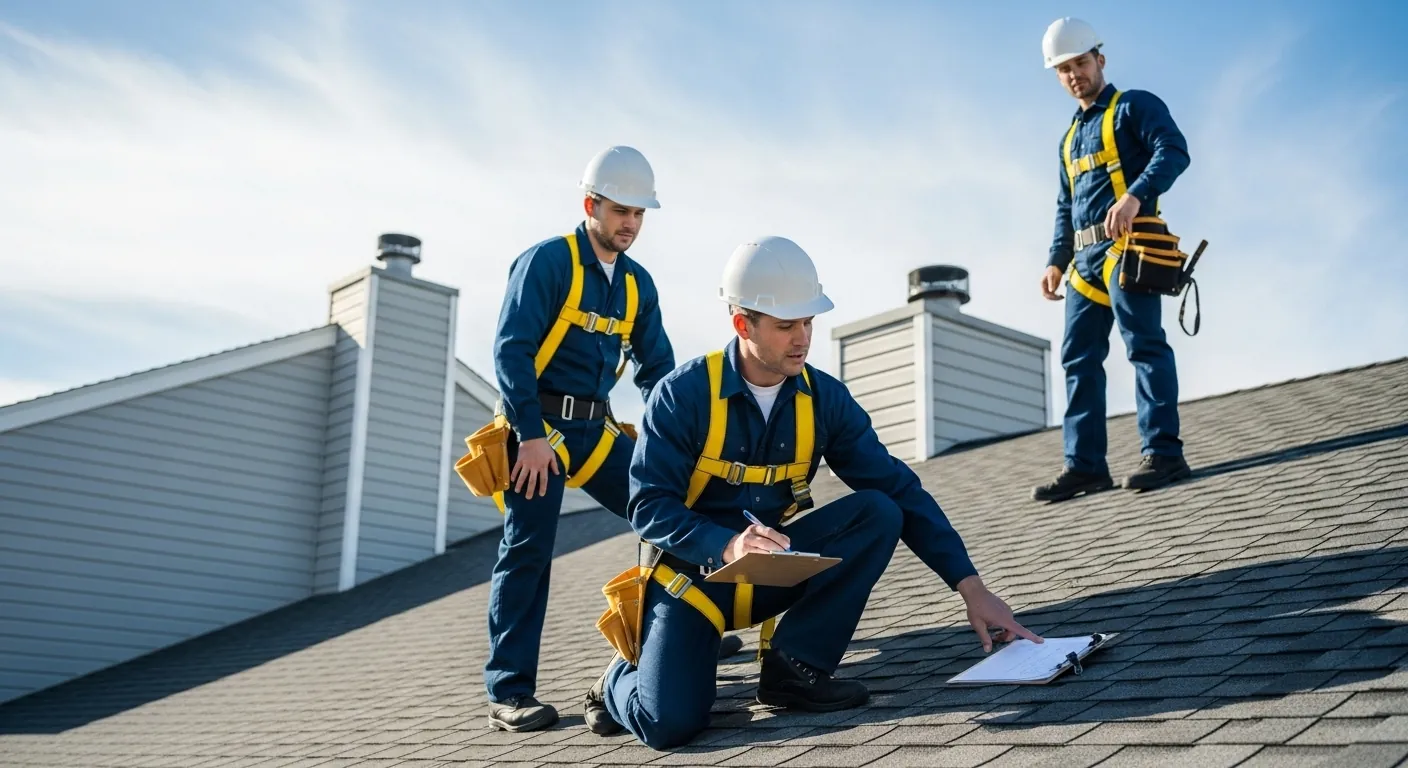
Reliable roofers install full roof systems rather than mixing parts from different manufacturers. They follow the specific nailing patterns, starter courses, offset measurements, and flashing methods specified by the shingle manufacturer. This matters because manufacturer warranties, especially enhanced or extended warranties, require certified installation using a complete system of matching components.
Attention to ventilation is a critical part of craftsmanship quality. Balanced intake at soffits and exhaust at the ridge reduce attic heat and moisture, which helps shingles last their full rated lifespan and prevents ice formation at the eaves during winter. A trusted roofing contractor doesn't just nail shingles and leave. They evaluate and improve the entire attic environment as part of every roof installation.
Manufacturer Certifications That Matter
The major shingle manufacturers including GAF, CertainTeed, and Owens Corning all offer certified installer programs that require documented training, annual inspections, and compliance with installation standards. GAF's Master Elite program, CertainTeed's SELECT ShingleMaster program, and Owens Corning's Platinum Preferred designation all unlock enhanced warranty coverage that isn't available through non-certified installers. Ask any contractor you're evaluating whether they carry these certifications and verify directly with the manufacturer.
Quality 5: Communication, Cleanup, and Warranty Support
Trust shows up in the small details that separate professional contractors from everyone else. A trusted roofing contractor confirms schedules in advance, updates you when hidden conditions are discovered during tear-off, and shares progress photos so you can see the work from ground level without climbing on the roof yourself.
They protect landscaping with tarps, run a magnetic nail sweep across the entire property after every work day, and leave the site clean enough that you wouldn't know a roofing crew was there. After completion, they register manufacturer warranties when required, provide you with copies of all contracts, material specifications, color selections, and invoices, and make sure you know exactly whom to call if a concern arises.
What Happens After the Job Is Done
The best test of a trusted roofing contractor is what happens after they cash the final check. Do they answer the phone when you call six months later with a question? Do they honor their workmanship warranty without making you jump through hoops? Do they respond promptly when a storm rolls through and you need a post-storm inspection? The contractors who build their business on reputation and referrals take post-completion service as seriously as the installation itself.
Roofing Contractor Costs in Northern Virginia
Understanding typical costs helps you evaluate proposals and identify outliers that may indicate either substandard materials or inflated pricing.
Prices reflect typical Northern Virginia ranges as of 2026. Actual costs vary based on roof size, pitch, complexity, material grade, and site conditions. Contact us for a free on-site estimate.
How to Verify a Contractor Before You Hire
Begin with documentation. Request the contractor's Virginia DPOR license number and verify it online. Ask for certificates of insurance showing current general liability coverage of at least $1 million and workers' compensation coverage for all employees. Review a portfolio of recent projects with photos showing both in-progress work and completed roofs. Ask for two or three local references and actually call them.
Read the written scope carefully and look for material specifics, ventilation approach, flashing methods at walls, chimneys, and skylights, and cleanup procedures. Confirm that the contractor will obtain building permits when required by your jurisdiction. Fairfax County, Loudoun County, Arlington County, and most Northern Virginia municipalities require permits for roof replacement. A trusted roofing contractor handles the permit process as a standard part of their service.
Red Flags to Watch For
Be cautious if you are pressured to sign on the spot, especially after a storm when urgency feels real but shouldn't override due diligence. Walk away from contractors who provide pricing only verbally, who can't explain ventilation or flashing details, or who are reluctant to provide proof of insurance. Storm chasers who appear in Northern Virginia neighborhoods after severe weather offering prices well below established contractors are another major warning sign. These operators typically lack local licenses, use inferior materials, and are gone before the first leak appears.
Another red flag is a contractor who demands full payment upfront before any work begins. Standard practice in Northern Virginia is a deposit of 10 to 33 percent to secure materials, with the balance due upon completion and your satisfaction with the work.
When to Seek Multiple Bids
Getting two or three proposals helps you compare materials, scopes, warranty terms, and workmanship quality rather than just bottom-line price. Focus on the quality of the scope rather than just choosing the lowest number. An estimate that includes proper underlayments, ice barriers at eaves, branded starter and drip edge, and ridge ventilation is often the better value over a 25-year roof life even if it costs more upfront than a bare-bones proposal.
Local Conditions in Northern Virginia to Discuss
Roofs in Reston, Herndon, Sterling, and throughout Northern Virginia experience heat in summer that can push roof surface temperatures above 160 degrees Fahrenheit, rapid temperature swings in spring and fall, and occasional ice formation in winter that tests every eave detail. These conditions stress shingles, flashing, and sealants in ways that a contractor from outside the region may not fully understand.
Choose a contractor who recommends systems suited to this specific climate. Proper attic airflow and moisture control reduce hot spots, extend shingle life, and help prevent winter ice at the eaves. A trusted roofing contractor explains these climate factors during the consultation and includes solutions in their scope.
Repair vs. Replace: What a Trusted Contractor Recommends
A trusted roofing contractor advises repair when damage is localized and the roof is otherwise sound. Replacement becomes the smarter choice when shingles are brittle across wide areas, granule loss is severe, or leaks appear in multiple locations. Balanced guidance helps you invest in the right solution rather than the most expensive one. Learn essential maintenance tips in our comprehensive roofing and repairs 101 guide to help you make informed decisions about your roof.
Working with Specialists for Specific Roof Types
Different roof systems require different expertise. Flat roofs need specialists who understand drainage and membrane systems. Learn more about why flat roof roofers matter for proper repairs and maintenance. Metal systems require specialized knowledge of panel cutting, thermal expansion allowances, and concealed fastener techniques. And asphalt shingle systems, while more common, still demand attention to nailing patterns, ventilation balance, and manufacturer-specific installation requirements that vary between product lines.
Frequently Asked Questions
How do I verify a roofing contractor's license in Virginia?
Verify a Virginia roofing contractor's license through the Virginia Department of Professional and Occupational Regulation (DPOR) online license lookup at dpor.virginia.gov. Search by company name or license number. Virginia requires a Class A license for projects over $120,000, Class B for $10,000 to $120,000, and Class C for $1,000 to $10,000. Confirm the license is current and covers the scope of your project before signing any contract.
What should a roofing estimate include?
A thorough roofing estimate should include the specific brand, model, and color of shingles or roofing material. It should list all accessories including underlayment type, ice and water shield coverage areas, drip edge, starter strip, ridge vent specifications, and flashing details at chimneys, skylights, and walls. The estimate should specify tear-off of existing layers, decking inspection and repair terms, cleanup procedures including magnetic nail sweep, and both manufacturer and workmanship warranty terms.
How much does a roof replacement cost in Northern Virginia?
A full roof replacement in Northern Virginia costs between $8,000 and $18,000 for architectural asphalt shingles on a typical home with 2,000 to 2,500 square feet of roof area. Metal standing seam replacements range from $18,000 to $30,000. These prices include tear-off, new underlayment, ice and water shield, all flashing replacement, and cleanup. Northern Virginia pricing runs 15 to 25 percent above national averages due to higher labor costs and material delivery expenses.
What are red flags when hiring a roofing contractor?
Red flags include pressure to sign immediately, verbal-only pricing without a written scope, inability to provide proof of insurance, reluctance to explain ventilation or flashing details, and demanding full payment upfront before work begins. Storm chasers who appear after severe weather offering unusually low prices are another major warning sign. Legitimate contractors provide written documentation, welcome questions, and never pressure homeowners into rushed decisions.
Do I need a permit for roof replacement in Fairfax County?
Yes, Fairfax County requires a building permit for roof replacement projects. The permit ensures the work meets Virginia building code requirements for wind resistance, fire rating, underlayment, and ventilation. Your roofing contractor should handle the permit application as part of their scope of work. Loudoun County, Arlington County, and most Northern Virginia jurisdictions have similar permit requirements. A trusted contractor includes permit costs in their estimate and never suggests skipping the permit process.
Work with a Trusted Roofing Contractor in Northern Virginia
Reston Roofing combines clear scopes, certified installation practices, and responsive service that has earned the trust of homeowners across Northern Virginia for years. Our team documents every step, explains material options in plain language, and supports you long after the job is complete with workmanship warranties and prompt post-storm response.
We serve homeowners throughout Reston, Herndon, Fairfax, McLean, Vienna, Sterling, and communities across Northern Virginia.
Call us today at (571) 453-6515 or schedule a consultation online. Experience the difference that a trusted roofing contractor makes for your home and your peace of mind.